Steel Mill: How India’s Steel Mill Industry Works and Who’s Leading the Charge
When you think of steel mill, a factory where raw iron and coal are turned into strong, usable steel. Also known as steel plant, it’s the backbone of everything from bridges to smartphones. India’s steel mills don’t just make metal—they fuel the country’s construction boom, car factories, and even its defense projects. Unlike small workshops, a true steel mill operates on a massive scale, melting tons of scrap or iron ore in blast furnaces or electric arc furnaces. This isn’t magic—it’s physics, engineering, and logistics working together 24/7.
What makes Indian steel mills different? For one, they’re getting faster, cleaner, and cheaper. Companies like Tata Steel and JSW Steel have invested billions to cut emissions and boost output. Meanwhile, China’s steel mills still win on price because of government subsidies and lower labor costs—but Indian mills are catching up with better quality control and local supply chains. A steel mill doesn’t just produce steel; it needs coal, limestone, electricity, and skilled workers. And here’s the catch: the cost of electricity alone can make or break a mill’s profit. That’s why many new mills are built near coal mines or ports, not cities.
Steel isn’t just one thing. There’s mild steel for cars, stainless steel for kitchens, and high-tensile steel for cranes. Each type needs a different mix of ingredients and heat treatment. That’s why some mills specialize, while others handle everything under one roof. If you’ve ever wondered why Indian steel is cheaper than U.S. steel, it’s not just about wages—it’s about scale, energy access, and how tightly the supply chain is locked together. The steel production process in India has evolved from small, outdated units to world-class facilities that now export to Africa, the Middle East, and Southeast Asia.
What you’ll find in this collection aren’t just dry facts—they’re real stories. From how a steel mill’s electricity bill can double its operating cost, to why some Indian mills are now using recycled scrap instead of imported iron ore. You’ll see how steel prices swing based on global demand, how local brands compete with global giants, and why the next big shift might be in green steel made with hydrogen. This isn’t theory. It’s what’s happening right now in Odisha, Jharkhand, and Chhattisgarh—the heart of India’s steel belt.
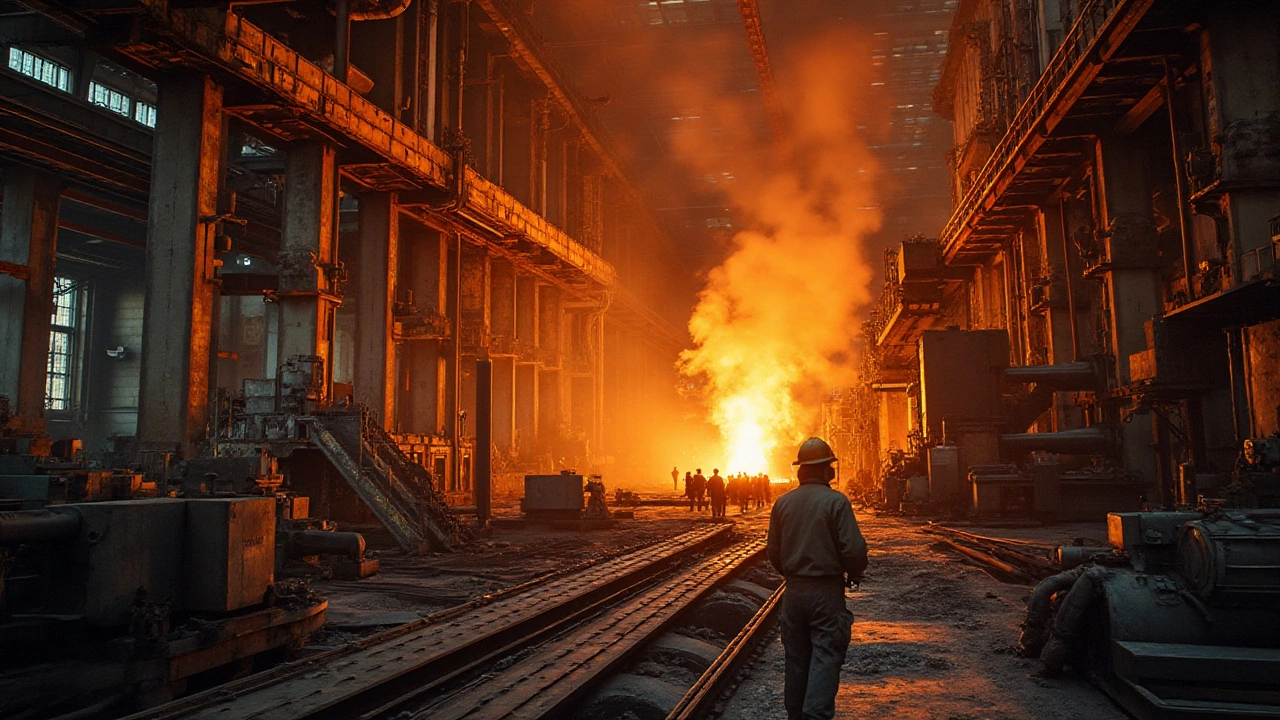
The steel industry plays a vital role in America's economy, with various large manufacturers making significant contributions. This article delves into the largest steel mill in the United States, examining its operations, impact, and significance within the industrial landscape. Readers will discover intriguing details about the mill's capacity, production processes, and its place in global competition. Explore the evolution of steel manufacturing and learn about its strategic importance in shaping infrastructure and economic growth.