Steel Industry Trends in India: What’s Shaping the Future of Manufacturing
When we talk about steel industry trends, the evolving patterns in how steel is produced, priced, and used across India. Also known as Indian steel market dynamics, it’s not just about more factories—it’s about who controls the supply, who pays the price, and where the real growth is hiding. India is now the world’s second-largest steel producer, but the game has changed. It’s no longer enough to make more steel. You need to make it cheaper, cleaner, and faster—and that’s where the real battle is.
One major shift? The rise of electric arc furnaces, a more flexible, energy-efficient way to melt scrap metal into new steel. Unlike old-school blast furnaces that need iron ore and coal, these units run on recycled steel and electricity. That’s why companies in Gujarat and Odisha are switching fast—they’re cutting costs and meeting environmental rules at the same time. Meanwhile, Chinese steel, often cheaper due to state subsidies and lower environmental standards, keeps flooding into India, forcing local mills to get smarter, not just bigger. The result? A two-tier market: high-end steel for infrastructure and cars, and low-cost steel for roofing, fencing, and small workshops.
It’s not just about production—it’s about where the demand is coming from. The infrastructure boom, backed by national highway projects, smart cities, and railway upgrades is swallowing up steel like never before. But here’s the twist: builders are starting to use less steel in some places. Concrete alternatives, modular steel frames, and even bamboo composites are creeping in. That doesn’t mean steel is dying—it means the way we use it is changing. And if you’re in manufacturing, distribution, or even construction, you need to know which types of steel are still in demand, and which are getting replaced.
Then there’s the money side. Steel prices don’t move in a vacuum. They’re tied to iron ore imports from Australia, global coal costs, and even the rupee’s value against the dollar. When the rupee weakens, imported raw materials get pricier—and suddenly, your steel bill jumps. That’s why the biggest players are locking in long-term contracts and even buying their own mines. Meanwhile, small fabricators are feeling the squeeze. They’re not buying ore—they’re buying finished coils, and they’re paying what the big mills say.
What’s next? Look at the government’s push for Make in India, a policy designed to cut import reliance and boost local production. It’s working, but slowly. Factories are getting newer machines. Workers are getting trained. And exports? They’re rising, especially to Africa and Southeast Asia. But the real winners won’t be the biggest plants—they’ll be the ones that adapt fastest. The ones that know which steel grades are needed for solar towers, not just bridges. The ones that understand why a 10% drop in scrap prices can mean the difference between profit and loss.
Below, you’ll find real breakdowns of who’s winning in India’s steel game, why Chinese steel keeps undercutting local prices, what states are leading production, and how small manufacturers are surviving in a market that’s never been this complex. No fluff. Just what’s happening, who it affects, and what you need to do about it.
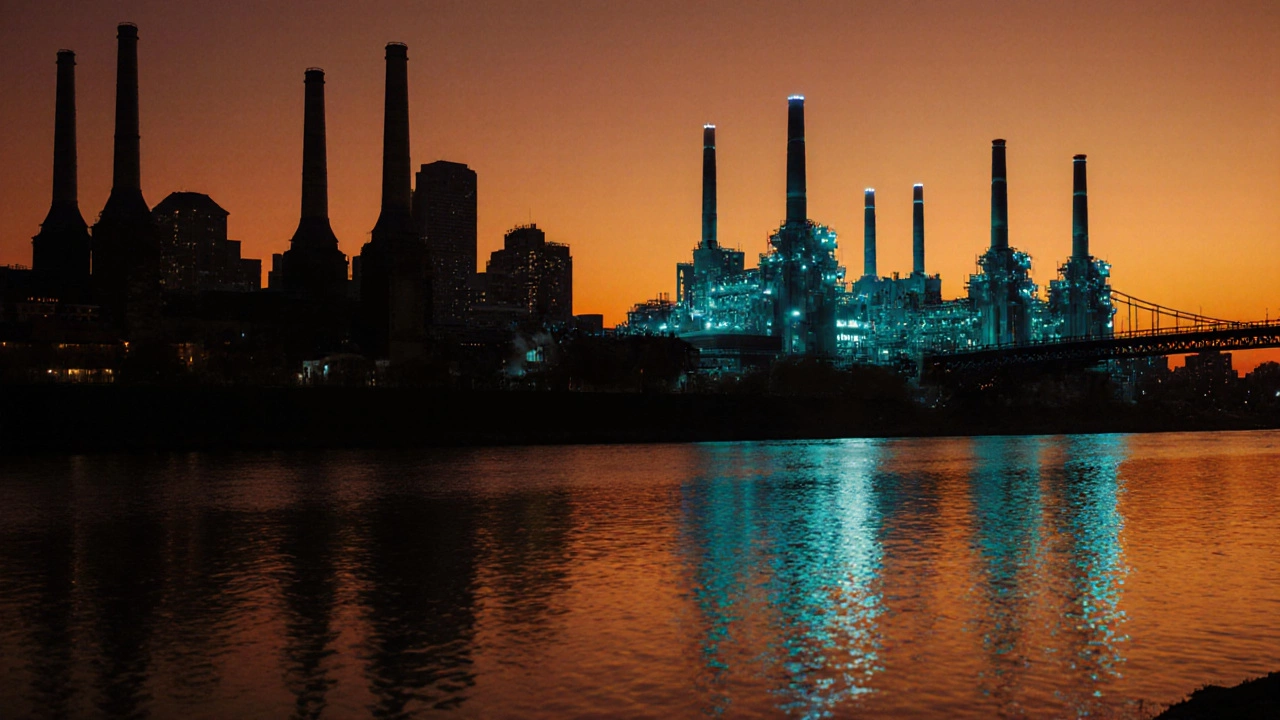
Explore why Cleveland, Ohio is poised to become the new U.S. steel production hub, driven by green‑steel tech, logistics, and state incentives.