Steel History: How India and the World Built Modern Industry
When you think of steel, a strong, durable alloy of iron and carbon that forms the skeleton of modern infrastructure. Also known as carbon steel, it’s the unsung hero behind everything from skyscrapers to smartphones, cars to cranes. This isn’t just metal—it’s the foundation of industry. And its history isn’t just about furnaces and factories. It’s about empires, innovation, and survival.
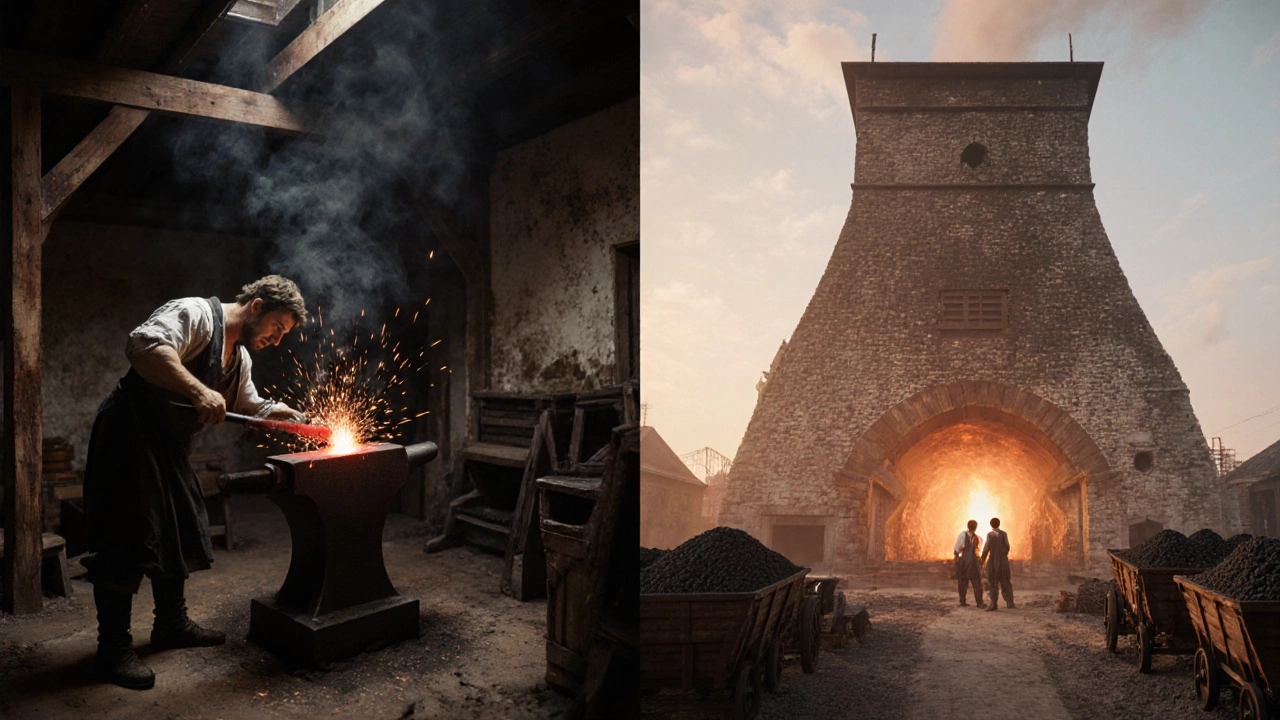
Steel’s story starts thousands of years ago. Ancient blacksmiths in India made Wootz steel, a high-carbon alloy forged in crucibles and prized across the Middle East and Rome for its sharpness and strength. By the 1st century BCE, Indian craftsmen were producing blades so fine they became legendary—called Damascus steel in foreign markets. That same technology, lost and rediscovered over centuries, laid the groundwork for today’s high-performance alloys. Meanwhile, in Europe and China, steel production stayed small-scale until the 1800s, when the Bessemer process changed everything. Suddenly, steel could be made fast, cheap, and in massive amounts. That’s when cities grew, railroads exploded, and the Industrial Revolution truly took off.
India didn’t just watch—it joined. By the early 1900s, Tata Steel was producing steel in Jamshedpur, becoming Asia’s first integrated steel plant. Today, India is the world’s second-largest steel producer, outpacing Japan and beating the U.S. in growth. Why? Because of cheap labor, rising domestic demand, and government push under Make in India, a national initiative that boosted local manufacturing by cutting red tape and encouraging investment in heavy industry. Companies like SAIL and JSW aren’t just making steel—they’re building the country’s future. And while Chinese steel may be cheaper, Indian steel is getting better: cleaner, more precise, and increasingly export-ready.
But steel isn’t just about volume. It’s about types. Mild steel for bridges. Stainless steel for kitchens. High-tensile steel for bulletproof vests. Each variant has a purpose, shaped by history, science, and need. And in India, you’ll find it all—from tiny workshops in Moradabad making steel utensils to massive plants in Rourkela rolling out slabs for global automakers.
What you’ll find in these articles isn’t just facts. It’s context. You’ll read why Chinese steel is cheaper, how U.S. states compete for top production, and what makes Indian steel stand out in global markets. You’ll see how steel connects to furniture, electronics, and even food processing. Because every time you pick up a spoon, sit on a chair, or ride a train—you’re holding a piece of steel history.
Discover why Henry Bessemer and Andrew Carnegie each claim the title "father of the steel industry," their key contributions, and how they shaped modern steelmaking.