Steel Fabricator: What It Is, Who Uses It, and Why India Is Rising in the Field
When you think of a steel fabricator, a skilled worker or company that cuts, bends, and assembles raw steel into structural parts for buildings, bridges, and machines. Also known as metal fabricator, it plays a quiet but critical role in everything from skyscrapers to farm equipment. These aren’t just welders—they’re problem solvers who turn blueprints into real, load-bearing structures. In India, steel fabrication is no longer just about making beams and columns. It’s about precision, speed, and meeting global standards, all while keeping costs low.
Steel fabrication requires more than a torch and a hammer. It needs CNC machines, computer-controlled tools that cut steel with millimeter accuracy, skilled welders trained in international codes, and strict quality checks. Companies like BEML and smaller workshops across Gujarat and Tamil Nadu are now producing parts that match global specs. This isn’t just local work anymore. Indian steel fabricators are shipping components to Africa, the Middle East, and Southeast Asia because they offer reliability at competitive prices.
What makes Indian steel fabricators stand out? It’s not just cheaper labor. It’s the ability to mix traditional craftsmanship with modern tech. A fabricator in Ludhiana might use the same hand-measured templates passed down for decades, but now they pair them with laser cutters and digital inspection tools. Meanwhile, in Maharashtra, small shops are supplying custom parts for solar panel mounts and modular housing—two fast-growing markets. The rise of Make in India, a government push to boost local manufacturing and reduce imports has given these businesses access to subsidies, training programs, and better raw material supply chains.
Don’t confuse steel fabrication with steel production. One makes the steel; the other shapes it. China might produce more steel, but India is getting better at turning it into something useful. Factories that once only made basic gates and railings now build crane arms, pressure vessels, and even parts for wind turbines. The demand is real: infrastructure projects, affordable housing, and industrial expansion all need custom steel components—and India’s fabricators are stepping up.
What you’ll find in the posts below are real stories from this world: how Indian steel fabricators compete with global giants, what materials they use most, how they cut costs without cutting corners, and why some small workshops are now exporting to Europe. You’ll also see how steel fabrication ties into bigger trends—like the rise of electric vehicle manufacturing and the push for green infrastructure. This isn’t just about metal. It’s about how India is quietly becoming a key player in global industry, one welded joint at a time.
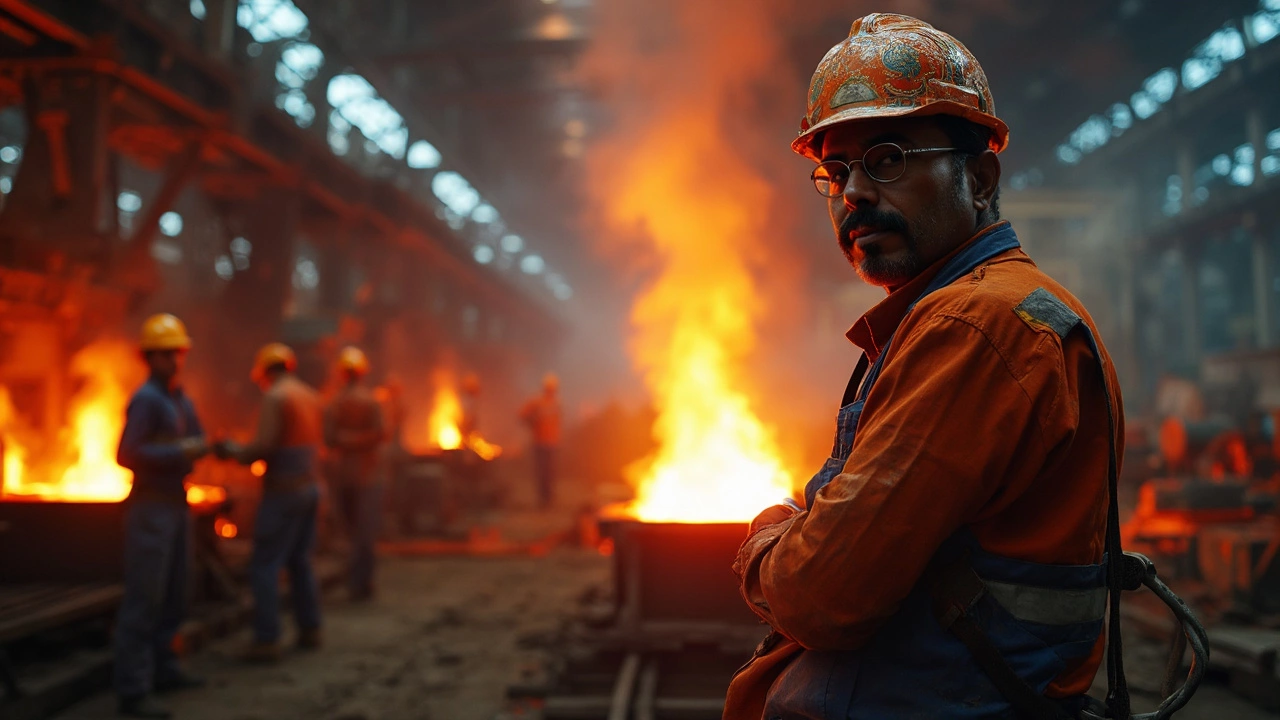
When it comes to steel fabrication in the US, one company stands above the rest. This article explores who this industry leader is, what sets them apart, and the crucial role they play in the steel manufacturing landscape. Readers will discover interesting facts about the company's operations, historical milestones, and what strategies they employ to maintain their top position. Get insights into how they manage resources, workforce, and innovation to stay ahead in a competitive market.