Small Factory Definition: What It Really Means in Indian Manufacturing
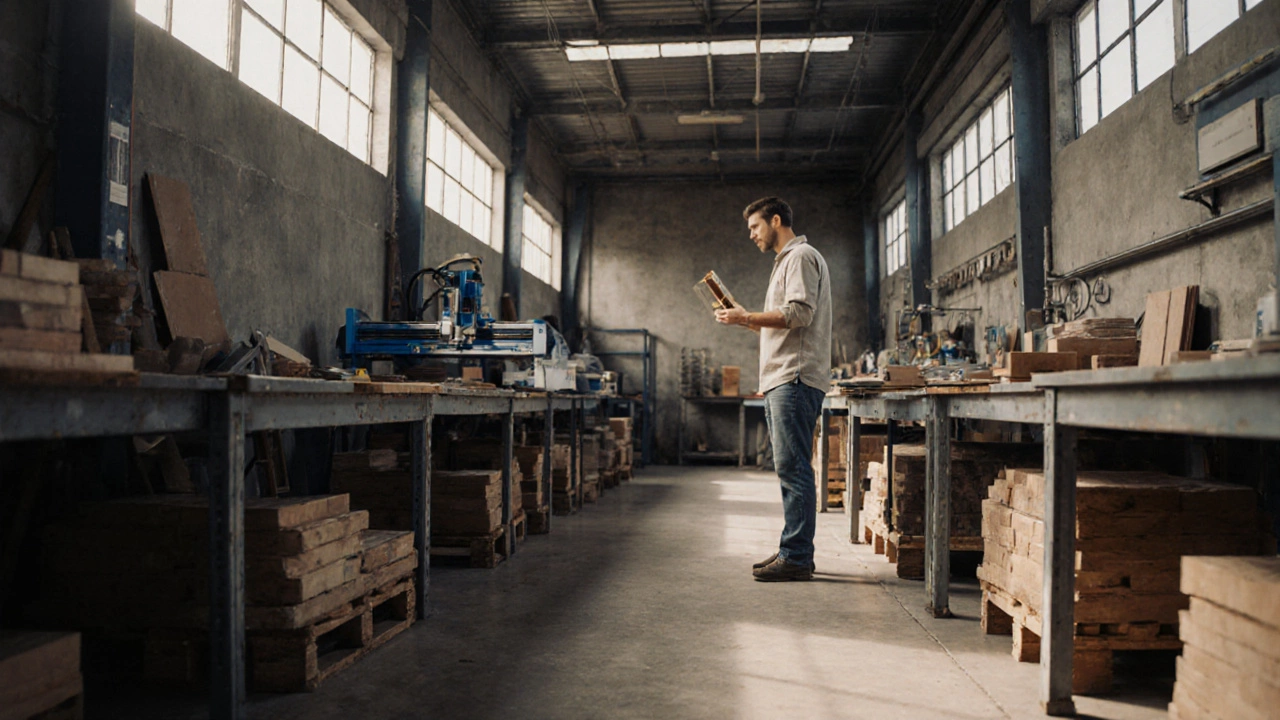
When we talk about a small factory, a manufacturing unit with limited production capacity, typically employing fewer than 50 workers and operating with modest capital investment. Also known as small scale manufacturing, it’s the quiet backbone of India’s industrial growth—often overlooked but essential to local economies. Unlike giant plants that churn out thousands of units daily, a small factory works differently. It’s agile. It adapts. It makes custom parts, handcrafted furniture, or niche electronics in batches of 50 or 500—not half a million.
These operations aren’t just tiny versions of big factories. They thrive on flexibility. A small scale manufacturing a business model focused on low-volume, high-value production using local labor and materials unit in Mirzapur might carve wooden tables using century-old tools, while one in Coimbatore spins denim fabric on older but reliable looms. They don’t need automation to compete—they need skill, speed, and relationships. Many are family-run, often started with a few machines in a rented shed, and grow slowly because they reinvest every rupee. This is where Indian manufacturing the diverse, decentralized, and rapidly evolving industrial ecosystem that powers everything from textiles to electronics across the country shines—not in headlines, but in daily output.
The government defines a small factory by investment and employee count, but the real definition is simpler: if you can walk through it in five minutes and know everyone by name, it’s a small factory. These places don’t rely on global supply chains. They use local wood, local metal, local workers. They fix machines themselves. They adjust orders overnight. That’s why they survive when big players struggle with delays or cost spikes. And they’re not disappearing—they’re evolving. More small factories in India are now making medical devices, recycled plastic products, or custom metal parts for startups, thanks to new incentives and easier access to tools.
What you’ll find in the posts below isn’t theory. It’s real examples—from soap makers turning a kitchen into a production line, to metalworkers in Tamil Nadu building parts for construction equipment. You’ll see how a small factory isn’t just about size, but about how it thinks, moves, and solves problems. Whether you’re thinking of starting one, working with one, or just curious how India’s industry actually runs, these stories show the truth behind the numbers.
Learn what a small manufacturing company is, its key traits, types, funding options, and how to launch one successfully in Australia.