Recycling Code 5: What It Is, Where It’s Used, and Why It Matters
When you see the number 5 inside a triangle on a plastic container, you’re looking at recycling code 5, a classification for polypropylene, a durable and heat-resistant plastic widely used in food packaging and automotive parts. Also known as PP plastic, it’s one of the most common and recyclable plastics in everyday use. Unlike flimsy plastic bags or brittle containers, code 5 plastic holds up to boiling water, resists chemicals, and doesn’t crack easily—making it ideal for things like yogurt tubs, medicine bottles, and even reusable food storage containers.
It’s not just about containers. polypropylene, a thermoplastic polymer made from propylene monomers shows up in car bumpers, battery cases, and even the hinges on laptop lids. In India, where manufacturing is scaling fast and consumer goods are booming, code 5 plastic is everywhere. You’ll find it in the caps of bottled water, the lids of spice jars, and the trays that hold ready-to-eat meals from local vendors. Unlike code 1 (PET) or code 2 (HDPE), which get picked up by most municipal programs, code 5 often slips through the cracks—mostly because recycling infrastructure for it is still catching up.
But that’s changing. With India’s push for better waste management and more local recycling plants, polypropylene, a plastic that can be melted and reformed without losing much strength, is becoming a prime target. Companies are starting to turn recycled code 5 into new products: outdoor furniture, storage bins, even automotive parts. Some small manufacturers in Tamil Nadu and Gujarat are already turning old yogurt cups into durable planters and toolboxes. It’s not magic—it’s just smart reuse.
And here’s the thing: code 5 plastic doesn’t need to be perfect to be recycled. It doesn’t have to be clean as a new bottle. A quick rinse is enough. What matters is that it gets collected. If you’re tossing out a plastic container with a 5 on it, you’re holding a material that could become something useful again—instead of sitting in a landfill for decades.
Behind every recycling code is a story of material use, supply chains, and local innovation. In India, where small-scale manufacturing thrives and sustainability is no longer optional, understanding what recycling code 5 really means helps you make smarter choices—whether you’re buying, recycling, or even starting your own small business around reuse. Below, you’ll find real examples of how this plastic shows up in Indian homes, factories, and recycling efforts—and what you can do with it once it’s no longer serving its first purpose.
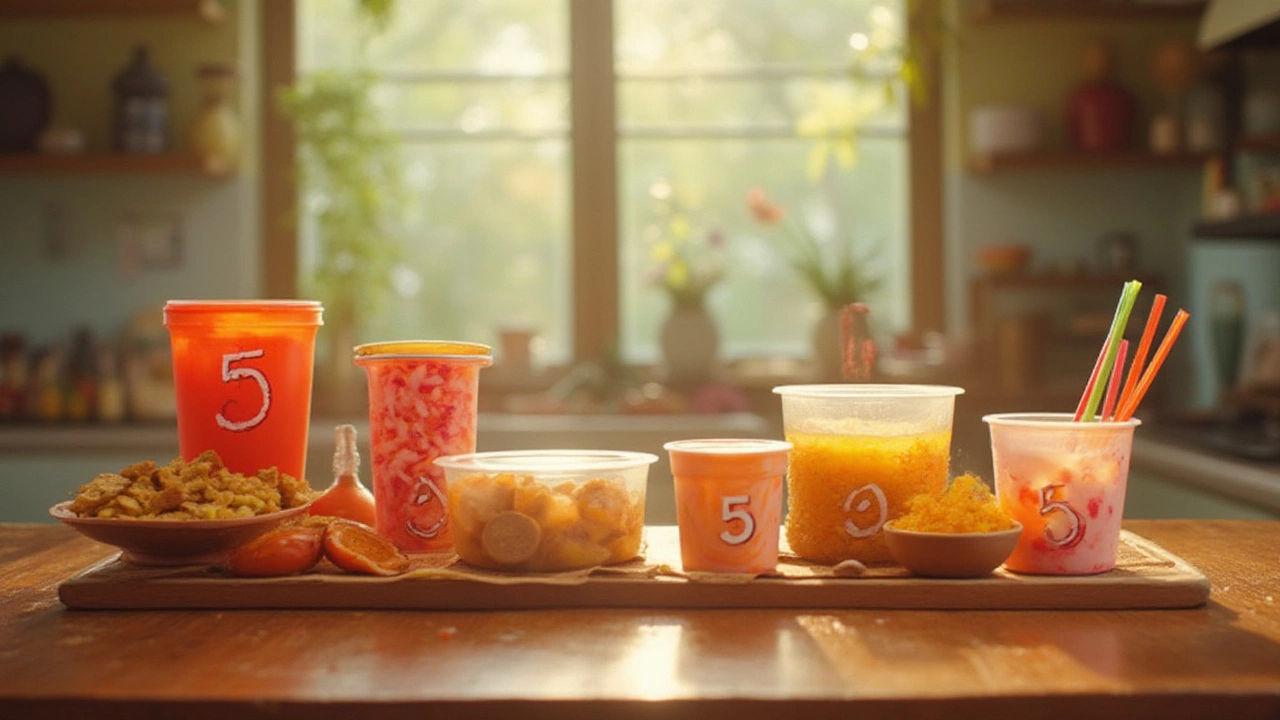
Ever noticed the #5 on plastics? Code 5 plastic, or polypropylene, is everywhere—in yogurt cups, straws, and even auto parts. Learn where it’s used, whether it's safe, and how to recycle it.