Processing Plant: What It Is, How It Works, and Why India’s Manufacturing Relies on It
When you think of a processing plant, a facility where raw materials are transformed into finished goods through mechanical, chemical, or thermal methods. Also known as a manufacturing facility, it’s the hidden engine behind everything from the bread you eat to the steel in your car. It’s not just a building with machines—it’s a system designed to turn chaos into consistency. In India, where the manufacturing sector is growing fast, processing plants are the backbone of industries like food, textiles, chemicals, and electronics.
Take food processing, the conversion of raw agricultural products into packaged, shelf-stable goods. From mangoes in Maharashtra turned into pulp to rice in Punjab milled into polished grains, these plants cut waste, extend shelf life, and meet rising demand. Then there’s chemical processing, the use of reactions and separations to produce industrial compounds like sodium hydroxide, which powers soap, textiles, and fertilizers. India uses more sodium hydroxide than almost any other chemical, and it all starts in a processing plant. Even metal processing, the shaping and refining of raw ore into usable sheets, rods, or components, relies on these facilities—whether it’s steel from Jharkhand or aluminum from Odisha.
What makes a good processing plant? It’s not just size. It’s efficiency. The 7S of manufacturing—Sort, Set, Shine, Standardize, Sustain, Safety, Save—aren’t just buzzwords here. They’re the difference between a plant that runs smoothly and one that’s a mess of downtime and waste. In Tamil Nadu, textile processing plants use automated dyeing lines to match global quality. In Uttar Pradesh, wooden furniture makers use drying chambers to prevent warping. In Gujarat, food processors use vacuum sealers to keep spices fresh for export. These aren’t random upgrades. They’re smart, targeted improvements that turn local inputs into global exports.
India’s advantage? It’s not just cheap labor. It’s the growing number of small and medium processing plants that can adapt fast. Unlike giant factories overseas, many Indian plants can switch from making one product to another in days. That’s why you see startups turning coconut shells into activated carbon, or scrap plastic into roofing sheets. These aren’t big names. But they’re the ones filling the gaps—and they all start with a processing plant.
What you’ll find below are real stories from Indian manufacturing: who runs these plants, what they turn raw stuff into, and how they’re beating global competitors with smarter, leaner operations. No fluff. Just facts from the floor.
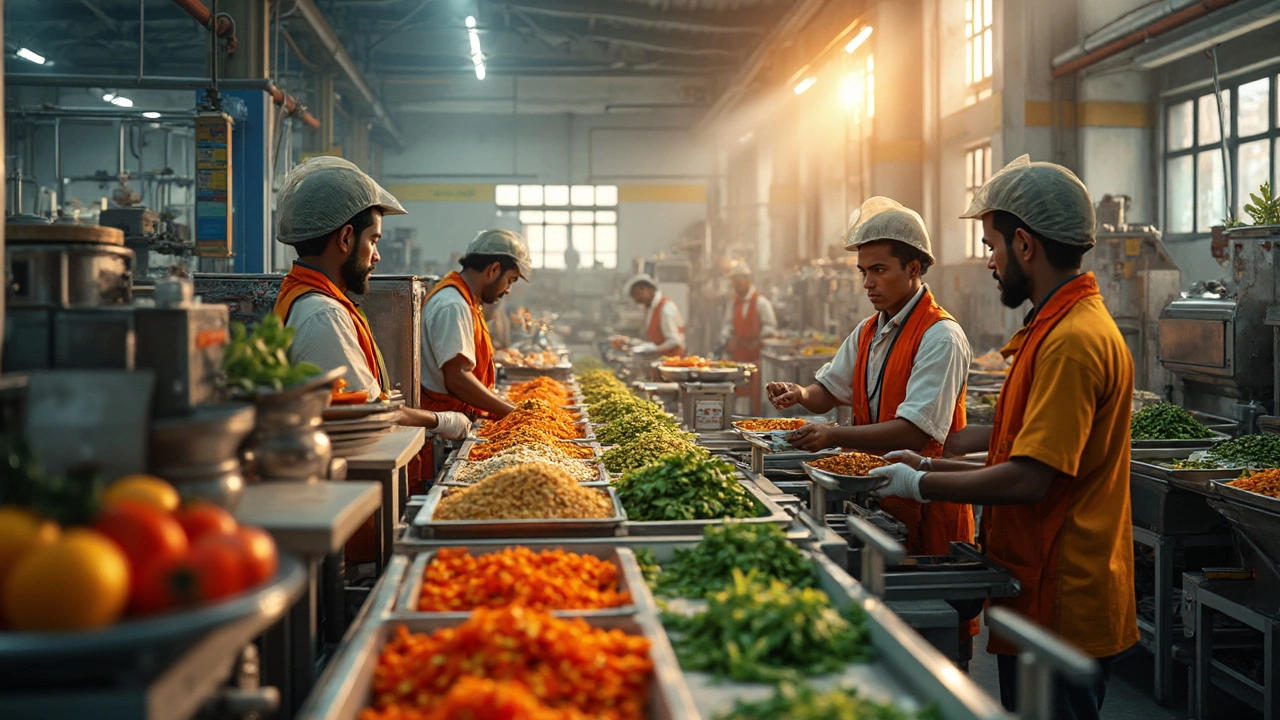
This article breaks down what a food processing unit is, the different names it goes by, and how it works. You'll find practical tips for choosing a processing unit and real examples from the food industry. Get insight into the role of these units in modern food production, plus some lesser-known facts. Whether you're curious about large-scale factories or small local plants, you'll get all the basics and more.