Precision in Manufacturing: Why It Matters and How Indian Factories Get It Right
When you hear the word precision, the exactness of a measurement, fit, or process in production. Also known as accuracy in manufacturing, it's the invisible force that makes your phone screen flawless, your car engine run smoothly, and your furniture joints hold tight for decades. It’s not about fancy tools or expensive labels. It’s about consistency—repeating the same result, down to a fraction of a millimeter, every single time. In India’s manufacturing sector, where scale meets craftsmanship, precision is no longer optional. It’s the baseline.
Think about what happens when precision fails. A screw doesn’t fit. A fabric pattern misaligns. A circuit board overheats. These aren’t just inconveniences—they’re costly mistakes that hurt reputation and profits. That’s why top Indian manufacturers, from textile mills in Tamil Nadu to machine shops in Pune, treat precision like oxygen. They don’t just measure with calipers—they train workers to feel the difference. They don’t just buy CNC machines—they calibrate them daily. And they don’t just follow standards—they outperform them. Take the textile industry: Indian fabrics are exported worldwide because the weave is uniform, the dye is consistent, and the finish is flawless. That’s precision in action. Or look at BEML’s earth-moving equipment—built to handle rough Indian terrain, yet assembled with tolerances tighter than many global competitors. Precision isn’t just a feature here. It’s a cultural habit.
It’s also tied to other key elements in manufacturing. CNC machining, computer-controlled cutting tools that shape metal and plastic with extreme accuracy. Also known as computer numerical control, it’s the backbone of modern Indian factories making everything from medical devices to auto parts. Then there’s quality control, the systematic process of checking products against defined standards. Also known as QC, it’s the guardrail that catches deviations before they reach customers. And let’s not forget 7S methodology, a lean system for organizing workspaces to reduce waste and improve precision. Also known as workplace organization, it’s why clean, labeled, and orderly shops produce fewer errors. These aren’t separate ideas—they’re layers of the same system. You can’t have precision without cleanliness. You can’t have quality without measurement. You can’t scale without consistency.
What you’ll find in the posts below aren’t abstract theories. They’re real examples of how precision shows up in Indian manufacturing—from the exact weave of Banarasi silk to the tight tolerances in BEML’s hydraulic systems, from the consistent thickness of steel sheets to the flawless finish on wooden furniture in Mirzapur. This isn’t about perfection. It’s about reliability. And in a world where global buyers demand more with less, that’s what wins.
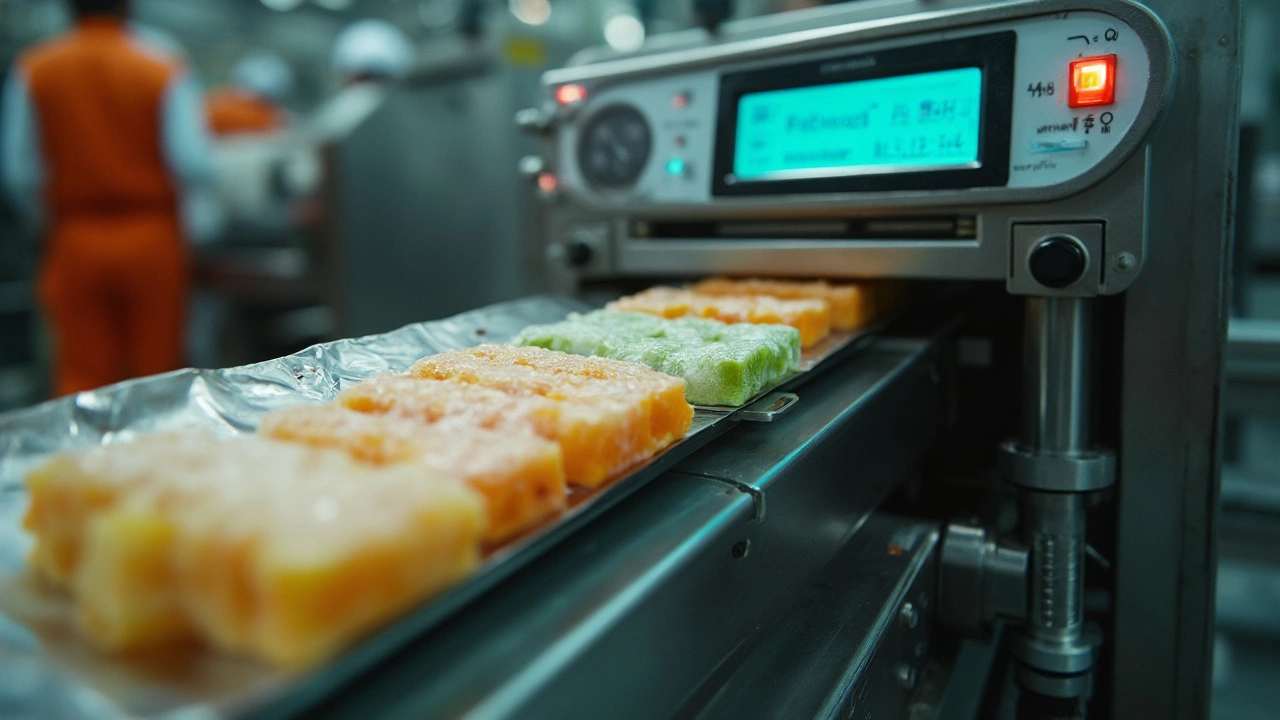
In food processing, precise measurement is crucial, and the term 'mil'—representing 0.001 of an inch—plays a vital role. This small unit is key in various aspects, from packaging thickness to machinery adjustments. Understanding how and when to use mil can boost efficiency and maintain quality standards. Explore the importance of accurate measurement and ways to apply it effectively in the food industry.