Polypropylene in Indian Manufacturing: Uses, Benefits, and Key Applications
When you think of plastic, you might picture a water bottle or a food container—but polypropylene, a lightweight, durable thermoplastic polymer widely used in packaging and industrial products. Also known as PP, it’s the quiet backbone of countless products made in India. It’s not flashy, but it’s everywhere: from the caps on milk bottles to the inside of car dashboards, from surgical masks to woven sacks for rice and sugar. Unlike other plastics that crack under heat or stress, polypropylene bends without breaking, resists moisture, and can be molded into complex shapes at low cost. That’s why Indian manufacturers—especially in packaging, automotive, and consumer goods—rely on it more than almost any other plastic.
Polypropylene doesn’t just replace older materials; it enables new ones. In the textile industry, a major sector in Tamil Nadu and Gujarat, polypropylene fibers are spun into non-woven fabrics for masks, filters, and geotextiles. In food processing, a high-margin industry in Maharashtra and Karnataka, it’s the go-to material for sterile packaging because it’s safe, heat-resistant, and doesn’t leach chemicals. Even in automotive manufacturing, led by companies supplying Tata, Maruti, and Mahindra, polypropylene is used for bumpers, interior panels, and battery cases because it’s light, cheap, and absorbs impact better than metal. It’s not just a material—it’s a solution that cuts weight, lowers shipping costs, and reduces waste.
What makes polypropylene even more valuable in India is how well it fits the Make in India push. It’s easy to recycle, compatible with local recycling infrastructure, and doesn’t require expensive additives to perform. Unlike some plastics that need imported resins, polypropylene can be produced domestically with high purity, reducing reliance on imports. You’ll find it in everything from low-cost medical devices in Uttar Pradesh to durable storage bins in Gujarat’s small factories. The real power of polypropylene isn’t in its chemistry—it’s in how simply it solves real problems for real businesses.
Below, you’ll find real examples of how Indian manufacturers are using polypropylene to build smarter, cheaper, and more sustainable products. From startups making reusable containers to large plants producing automotive parts, these stories show why polypropylene isn’t just plastic—it’s progress.
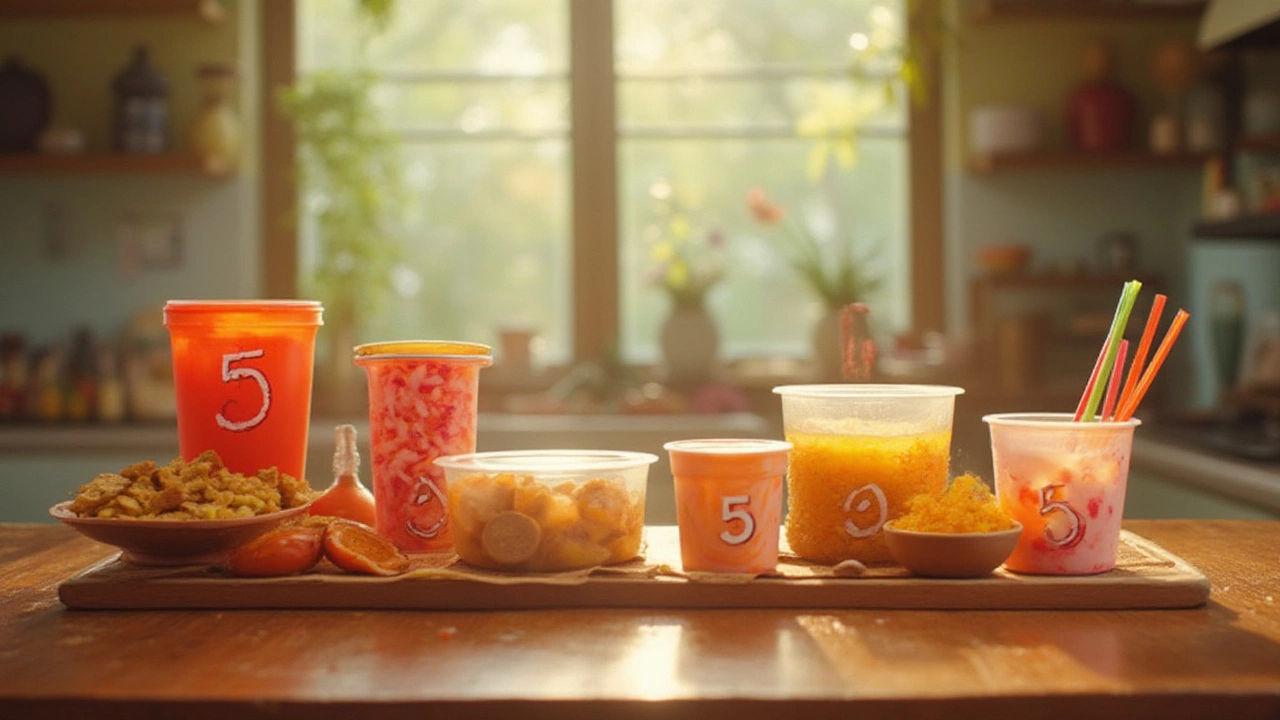
Ever noticed the #5 on plastics? Code 5 plastic, or polypropylene, is everywhere—in yogurt cups, straws, and even auto parts. Learn where it’s used, whether it's safe, and how to recycle it.