Plastic Waste: How India Is Tackling the Crisis and Turning Trash Into Trade
When we talk about plastic waste, discarded plastic materials that accumulate in landfills, rivers, and oceans, often for centuries without breaking down. Also known as synthetic debris, it’s one of the most visible and stubborn byproducts of modern manufacturing. India generates over 3.3 million tons of plastic waste every year—more than most countries in Southeast Asia. And while it’s easy to blame consumers, the real story starts in factories, packaging lines, and supply chains that never planned for what happens after the product is used.
Plastic waste isn’t just trash—it’s a resource waiting to be unlocked. Cities like Bengaluru and Pune are now home to small-scale recyclers who turn used bottles into fibers for clothing, while startups in Gujarat are converting mixed plastic waste into fuel. This isn’t science fiction. It’s happening because plastic recycling, the process of collecting, sorting, and reprocessing plastic into new products is becoming more cost-effective than making virgin plastic. Meanwhile, plastic manufacturing, the industrial production of plastic goods using polymers like PET, HDPE, and PVC in India is booming thanks to government incentives under Make in India. But without better waste collection systems, all that production just feeds the problem.
What’s surprising is how many Indian manufacturers are now designing products with end-of-life in mind. Some food packaging companies are switching to mono-material plastics that are easier to recycle. Others are partnering with ragpickers—India’s informal waste collectors—to create supply chains that actually pay people fairly for what they gather. It’s not perfect, but it’s progress. And it’s why waste management, the system of collecting, transporting, processing, and disposing of waste materials is no longer just a municipal issue—it’s a manufacturing challenge.
You won’t find a single solution to plastic waste. But you will find dozens of real efforts across India—some small, some scaling fast—that are turning pollution into profit. Below are articles that dig into the companies, policies, and technologies making a difference. Some show you how plastic waste is being turned into building materials. Others reveal who’s making money from the mess. And one even explains how the very first plastic was invented—and why we’re still stuck with it.
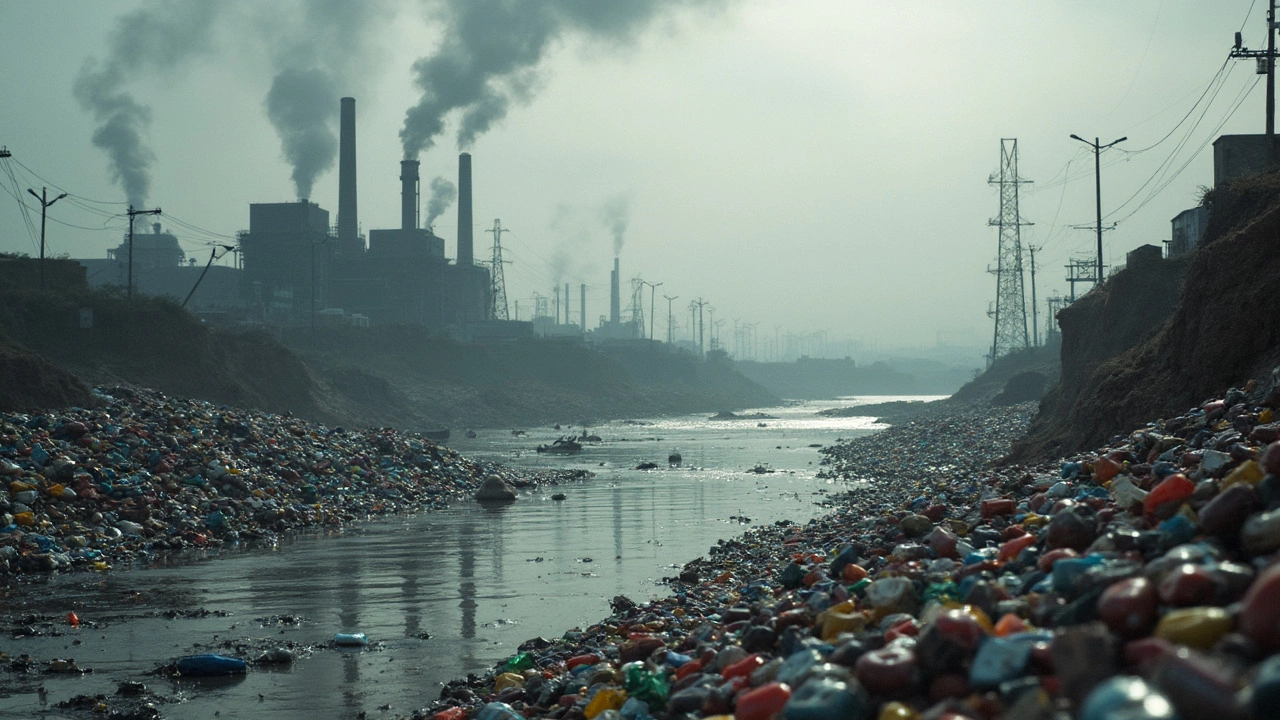
In a world where sustainability is becoming a buzzword, it's shocking to learn some plastic manufacturing companies still dispose of waste in our oceans. This article explores who these offenders are, the impact of their actions, and what measures can be taken to hold them accountable. Discover how consumer choices and industry regulations can play a vital role in preventing this environmental crime. Follow the journey of plastic waste from production to ocean and learn how you can make a difference.
Single-use plastics are everywhere, but which one takes the cake as the biggest? This article dives into the world of plastic production, spotlighting the most prevalent single-use offender. Discover fascinating facts about how these plastics are made and their environmental impact. Learn practical tips for reducing reliance on these plastic giants and join the movement toward a cleaner future.
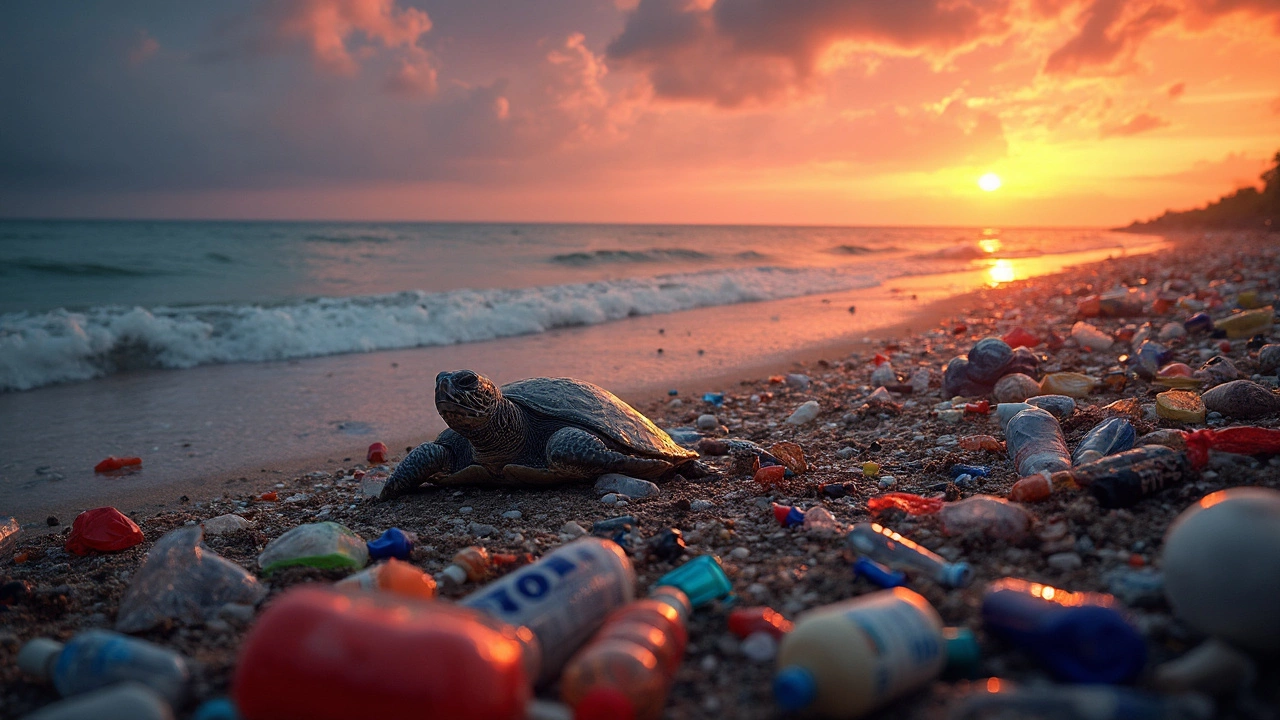
Plastic pollution in our oceans is one of the most pressing environmental issues today. This article explores which plastics are causing the most harm and how they end up in the marine ecosystem. Discover the impact of plastic waste on ocean life and find out what practical steps both consumers and manufacturers can take to reduce this growing problem. From single-use items to fishing gear, learn about the plastics polluting our waters the most.