Plastic Safety: What You Need to Know About Safe Use and Manufacturing in India
When we talk about plastic safety, the practice of using and producing plastics without exposing people or the environment to harmful chemicals. Also known as safe plastic handling, it's not just about avoiding BPA or phthalates—it's about understanding what’s actually in the products you use every day, from food containers to medical devices. In India, where plastic production has grown over 150% in the last decade, safety isn’t optional. It’s a daily reality for workers in small factories, families buying packaged goods, and retailers stocking household items.
Plastic manufacturing in India, the process of turning raw polymers into everyday items using injection molding, extrusion, and thermoforming. Also known as Indian plastic industry, it’s a mix of large-scale plants near Surat and Chennai, and tiny workshops in Uttar Pradesh and Gujarat that produce everything from buckets to syringes. Not all of them follow international safety standards. Some still use recycled scrap without proper purification, and others skip testing for heavy metals like lead or cadmium. The toxic plastics, plastics containing harmful additives like phthalates, bisphenol A, or antimony trioxide. Also known as unsafe polymers, it’s a term you’ll see in lab reports and worker safety bulletins—but rarely on product labels. That’s why knowing the resin codes (1 through 7) matters. PET (1) and HDPE (2) are generally safe for food. PVC (3) and polycarbonate (7) often aren’t.
Plastic regulations India, the set of rules enforced by the Bureau of Indian Standards (BIS) and Central Pollution Control Board (CPCB) to control plastic use and emissions. Also known as India plastic waste rules, they’ve changed often since 2016, with bans on single-use plastics in 2022 and new guidelines for recycled content. But enforcement is patchy. A factory in Tamil Nadu might be certified while a similar one 50 km away isn’t. Consumers can’t always tell the difference. That’s why the best protection is awareness: check for BIS marks, avoid heated containers, and don’t reuse bottles meant for one-time use. The posts below dive into real cases—from how medical-grade plastics are made in Hyderabad to why some plastic toys in rural markets still contain lead. You’ll find what’s safe, what’s risky, and what’s being done about it—no fluff, just facts.
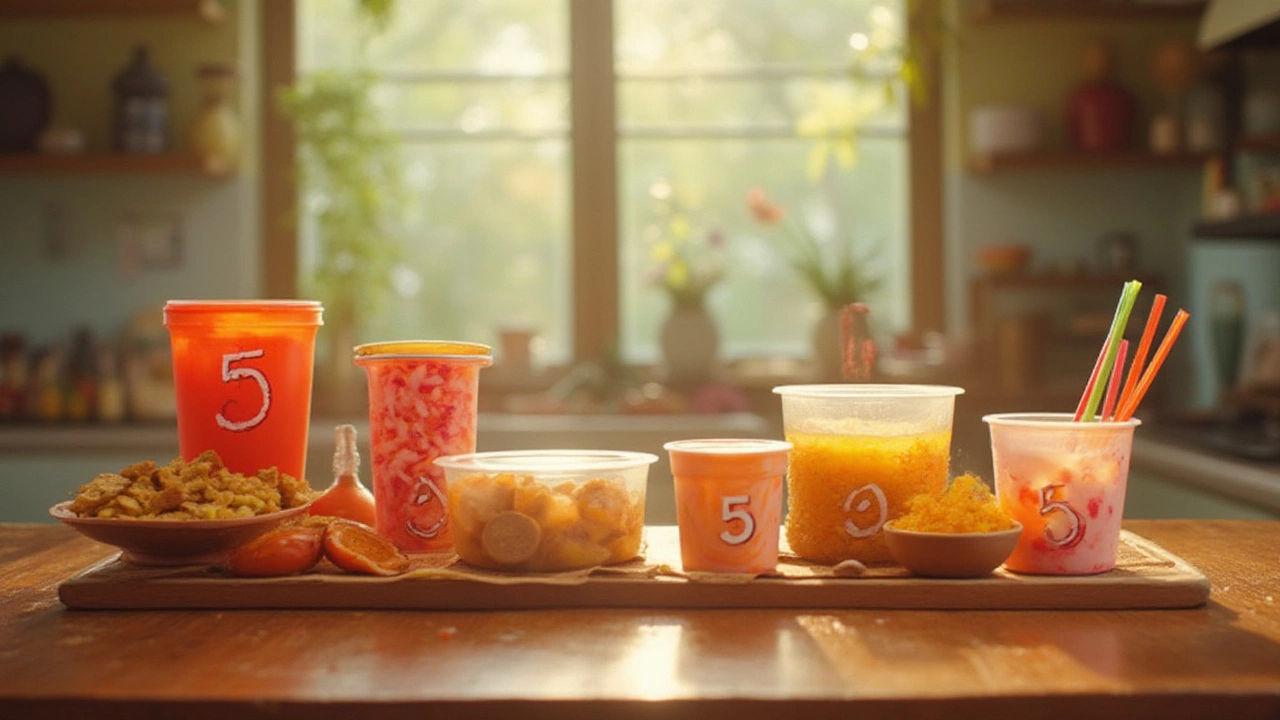
Ever noticed the #5 on plastics? Code 5 plastic, or polypropylene, is everywhere—in yogurt cups, straws, and even auto parts. Learn where it’s used, whether it's safe, and how to recycle it.