Plastic Production in India: How It Works, Who Makes It, and Why It Matters
When we talk about plastic production, the process of turning raw chemicals into everyday plastic products like bottles, packaging, and parts. Also known as plastic manufacturing, it’s one of the fastest-growing sectors in India’s industrial landscape. From the small workshops in Gujarat to massive plants in Maharashtra, plastic production isn’t just about making things—it’s about building supply chains that feed retail, healthcare, electronics, and construction.
Plastic production relies on a few key materials, especially polyethylene, a versatile plastic used in bags, bottles, and containers, and polypropylene, the go-to for food containers, car parts, and medical devices. These aren’t just random chemicals—they’re the backbone of what makes Indian manufacturing cost-effective and scalable. The country’s ability to produce these plastics locally, using both imported crude oil and growing domestic refining capacity, has cut reliance on imports and boosted exports. And it’s not just about making new plastic. plastic recycling, the process of turning used plastic waste into new raw material, is gaining traction too, thanks to government push and rising environmental awareness.
What’s driving this growth? Lower labor costs, Make in India incentives, and rising domestic demand. A single factory in Tamil Nadu can churn out millions of plastic caps for medicine bottles each month. Another in Uttar Pradesh makes packaging for snacks sold across the country. And it’s not just big players—thousands of small-scale manufacturers are making custom plastic parts for local industries, from auto parts to toys. The same forces that made India a hub for textiles and electronics are now doing the same for plastic production.
But it’s not all smooth sailing. Waste management remains a challenge, and some older plants still use outdated methods. Still, the shift toward cleaner production, better recycling tech, and smarter design is real. Companies are now designing products that are easier to break down, or using biodegradable blends where possible. The future of plastic production in India won’t be about banning plastic—it’ll be about making it smarter, cleaner, and more efficient.
Below, you’ll find real stories from the ground: who invented the first plastics, which companies are leading the charge, how small factories compete with giants, and what’s really happening with plastic waste in India. No fluff. Just facts from the manufacturing floor.
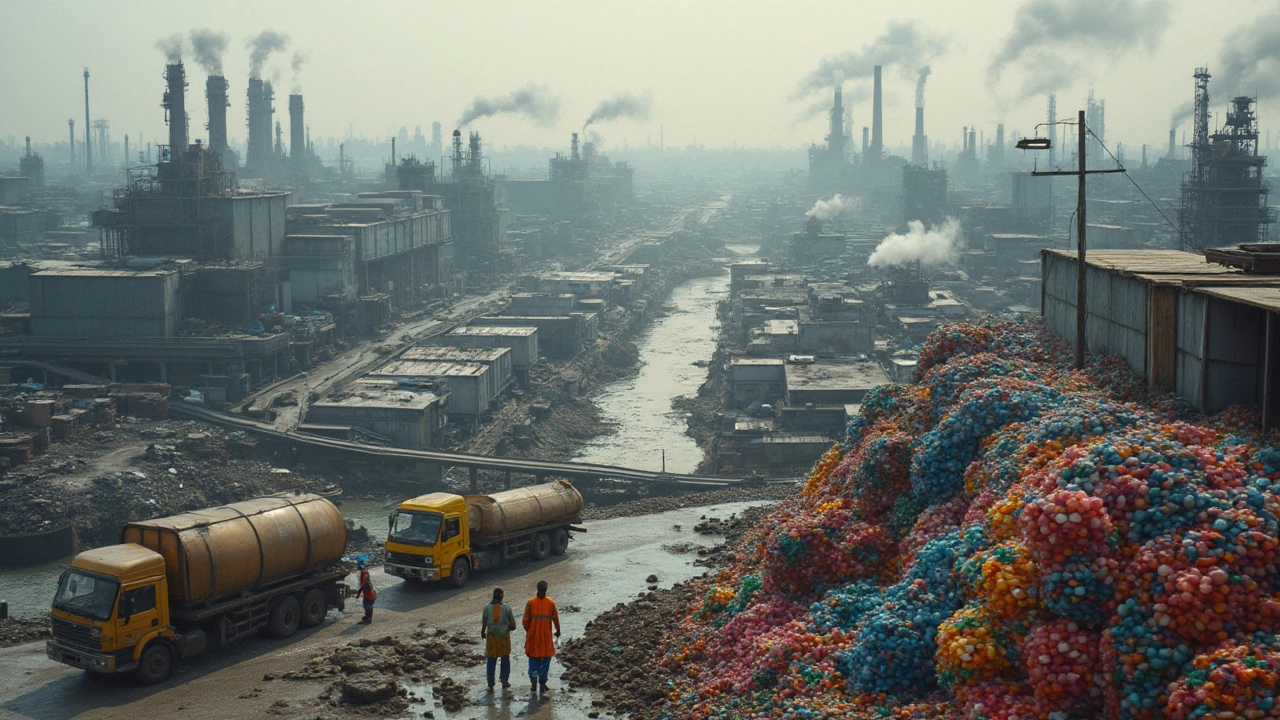
Where does most of the world's plastic come from? This article uncovers the true plastic capital of the world, digging into why this city or region rose to dominate the industry. You'll get behind-the-scenes facts about what powers these manufacturing giants and some real-world tips if you're sourcing plastic products. Find out which companies call this place home and what it means for global supply chains. Get ready for a no-nonsense look at the world's plastic powerhouse.