Plastic Identification: How to Recognize Types, Uses, and Recycling Codes
When you pick up a bottle, a container, or even a toy, you’re holding a piece of plastic identification, the process of recognizing different types of plastic based on their physical traits, recycling symbols, and chemical composition. Also known as polymer identification, it’s the first step to knowing what you can recycle, what to avoid, and what industries actually use. Not all plastics are the same. Some melt at low heat, others stay rigid under pressure. Some are safe for food, others leach chemicals over time. If you’ve ever wondered why some plastic bags can’t go in your curbside bin or why a yogurt cup has a number inside a triangle, you’re looking at plastic identification in action.
Plastic identification isn’t just for recyclers—it’s critical for manufacturers, designers, and even everyday buyers. The recycling codes, the numbers 1 through 7 inside the chasing arrows symbol on plastic items tell you what kind of polymer you’re dealing with. Code 1 (PET) is soda bottles. Code 2 (HDPE) is milk jugs. Code 5 (PP) is medicine bottles and yogurt tubs. Each one has different melting points, durability, and recycling pathways. You can’t just toss all plastics together. Mixing them ruins recycling streams. That’s why factories and sorting centers rely on these codes to separate materials before processing. Even plastic manufacturing, the industrial process of turning raw polymers into usable products depends on accurate identification. A company making food containers needs to know if the plastic they’re using can handle hot liquids or if it’ll warp under UV light. That’s not guesswork—it’s science.
And it’s not just about recycling. Plastic identification helps you avoid unsafe products. Some plastics, like PVC (code 3), release toxins when burned or degraded. Others, like polycarbonate (code 7), may contain BPA. Knowing what you’re handling lets you make smarter choices—whether you’re buying kitchenware, storing leftovers, or choosing packaging for your own product. In India, where plastic use is growing fast and recycling infrastructure is still catching up, understanding these basics gives you real power. You can push for better disposal, support local recyclers, or even spot fake or low-quality plastic in your supply chain.
Below, you’ll find real examples from Indian manufacturing and global trends that show how plastic identification shapes decisions—from small workshops sorting scrap to big factories designing new products. You’ll learn what the numbers mean, which plastics are actually recyclable, and why some types are disappearing from shelves. This isn’t theory. It’s what people in factories, recycling centers, and homes across India are dealing with every day.
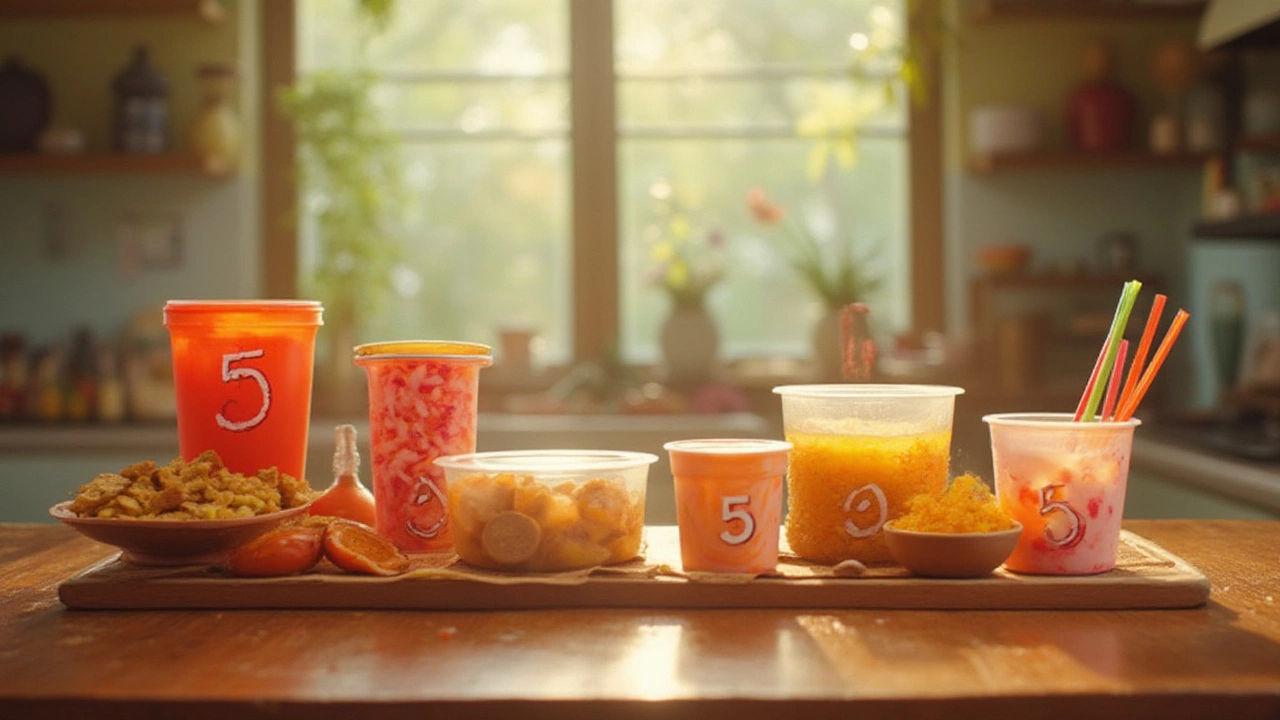
Ever noticed the #5 on plastics? Code 5 plastic, or polypropylene, is everywhere—in yogurt cups, straws, and even auto parts. Learn where it’s used, whether it's safe, and how to recycle it.