Plastic Capital: India's Key Hubs for Plastic Manufacturing and Innovation
When we talk about the plastic capital, a term used to describe regions with concentrated plastic manufacturing, processing, and export activity. Also known as plastic manufacturing hubs, it refers to areas where raw polymers are turned into everyday products—from food containers to car parts—with high efficiency and scale. India isn’t just a consumer of plastic; it’s becoming one of Asia’s fastest-growing producers. With over 5,000 plastic processing units and exports hitting $12 billion in 2024, the country’s plastic industry is no longer small-scale or informal—it’s a backbone of Make in India.
The real plastic capital of India isn’t one city, but a chain of industrial clusters. Gujarat leads with Surat and Vadodara, home to thousands of small and medium factories making packaging films, bottles, and synthetic fibers. Tamil Nadu’s Chennai and Coimbatore focus on automotive plastic components, supplying major carmakers. Uttar Pradesh’s Moradabad and Kanpur churn out household items like buckets, trays, and storage containers. These regions don’t just make plastic—they innovate. Local engineers are now designing biodegradable blends, recycling waste into new pellets, and cutting energy use with solar-powered extruders. This isn’t guesswork. It’s driven by government incentives, cheaper raw material imports, and a growing domestic demand for affordable, durable goods.
What makes India’s plastic industry stand out isn’t just volume—it’s adaptability. Unlike countries that rely on imported tech, Indian manufacturers have built low-cost, high-flexibility production lines that can switch from making toys one day to medical caps the next. This agility lets them serve everything from rural kirana stores to global brands like Nestlé and Unilever. The rise of plastic recycling startups in Maharashtra and Punjab also shows the sector is evolving beyond single-use waste. You’ll find factories now turning discarded water bottles into polyester for clothing, or crushed packaging into outdoor furniture. This isn’t just sustainability—it’s smart business.
Behind every plastic product you use is a story of local skill, supply chain grit, and engineering tweaks made on the factory floor. The posts below dive into these stories: who’s making what, where the biggest plants are, what materials are winning in 2025, and how small shops are competing with giants. Whether you’re looking to start a plastic business, source components, or just understand why plastic is everywhere in India, you’ll find real, on-the-ground insights here—no fluff, no theory, just what’s actually happening in the factories.
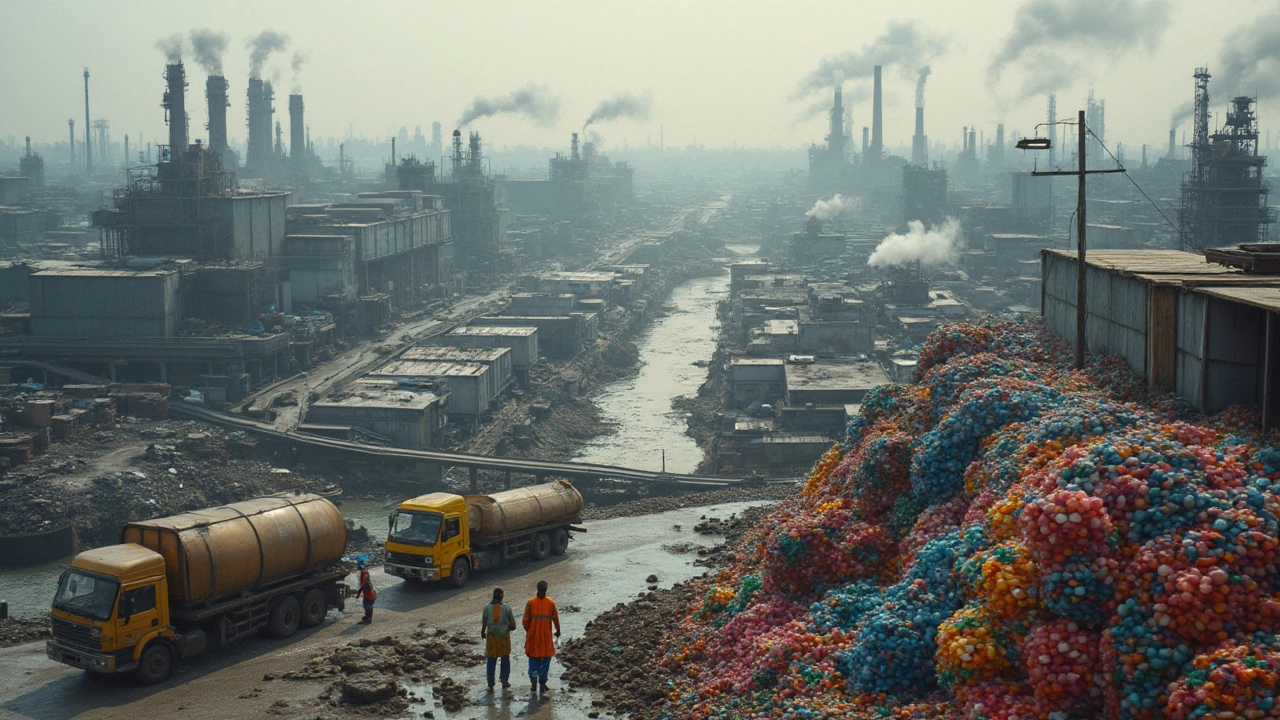
Where does most of the world's plastic come from? This article uncovers the true plastic capital of the world, digging into why this city or region rose to dominate the industry. You'll get behind-the-scenes facts about what powers these manufacturing giants and some real-world tips if you're sourcing plastic products. Find out which companies call this place home and what it means for global supply chains. Get ready for a no-nonsense look at the world's plastic powerhouse.