Pharmaceutical Production in India
When you take a pill for a cold, a chronic illness, or even a vitamin, there’s a good chance it was made in pharmaceutical production, the process of manufacturing medicines at scale using regulated chemical and biological methods. Also known as drug manufacturing, this industry powers not just India’s healthcare system but also supplies over 60% of the world’s generic drugs. India isn’t just a factory—it’s a hub of precision, cost efficiency, and innovation in medicines that millions rely on daily.
Behind every tablet or injection is a network of pharma manufacturers India, companies that produce active pharmaceutical ingredients (APIs), finished dosage forms, and bulk drugs under strict government and global standards. These range from giant players like Sun Pharma and Dr. Reddy’s to thousands of small-scale units making everything from antibiotics to painkillers. The government’s Make in India push and bulk drug parks have made local production cheaper and more reliable. Unlike countries where drug costs are sky-high, India’s system thrives on volume, efficiency, and a deep understanding of global regulatory needs—from the FDA to the WHO.
What makes Indian pharmaceutical production stand out? It’s not just low labor costs. It’s the skill in replicating complex molecules, the speed in scaling up production, and the ability to meet quality benchmarks while keeping prices low. The country produces over 20% of global generic medicines and exports to more than 200 nations. This isn’t luck—it’s decades of focused investment in chemical engineering, workforce training, and regulatory compliance. And with rising demand for vaccines, biosimilars, and affordable chronic disease treatments, the sector is only accelerating.
There’s also a quiet revolution happening in small-scale pharmaceutical units. You’ll find workshops in Gujarat, Telangana, and Uttar Pradesh making high-margin OTC medicines, cough syrups, and supplements with minimal overhead. These aren’t just side businesses—they’re profitable, agile, and often supply larger brands. The real edge? Knowing which formulations sell, how to navigate drug licensing, and where to source raw materials without compromising quality.
What you’ll find in this collection are real breakdowns of what makes pharmaceutical production in India work—from the costs of setting up a small lab to the giants dominating global exports. You’ll see who the top players are, what drugs are most profitable to make, and how local manufacturers compete with international brands. No fluff. Just facts, numbers, and insights from inside the industry. Whether you’re looking to start a pharma business, invest in one, or just understand where your medicine comes from, this is your guide.
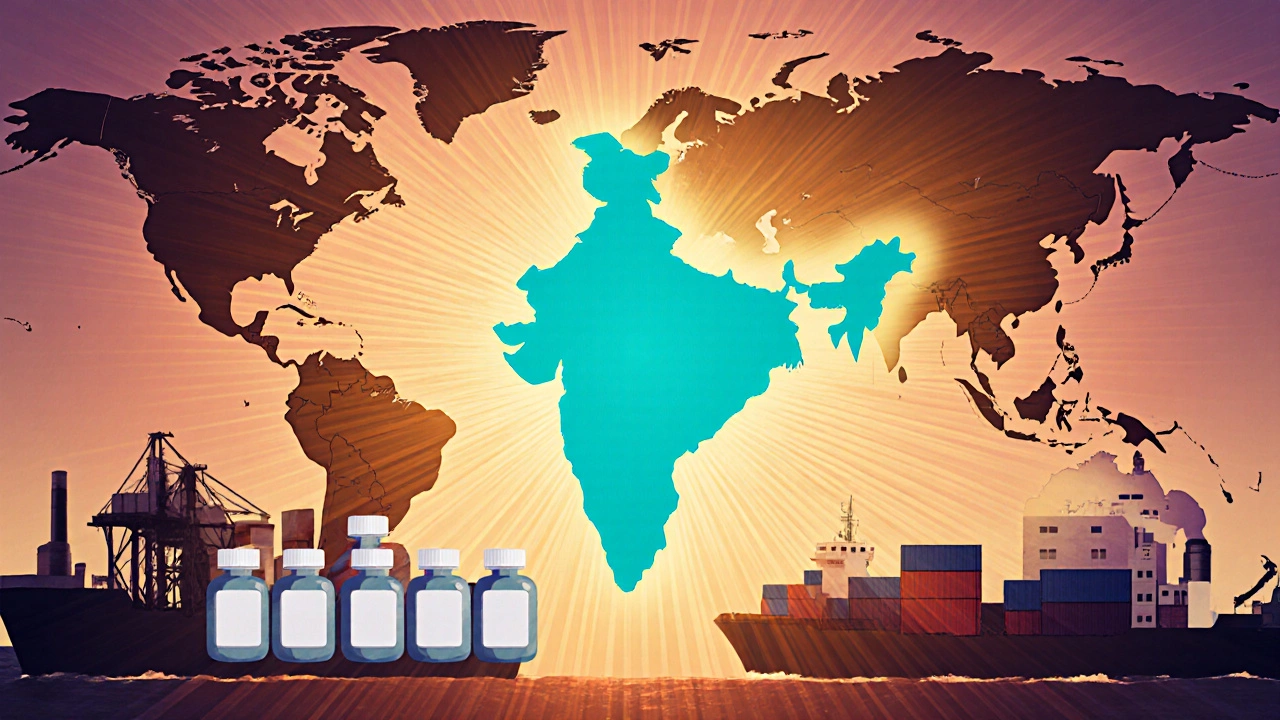
India tops the pharma manufacturing world in 2025, leading in generic export volume, facility count, and growing R&D. The article explains why, compares rivals, and looks at future risks.