Pharmaceutical History: How India Became a Global Drug Manufacturing Powerhouse
When we talk about pharmaceutical history, the evolution of medicine from ancient remedies to modern mass production. Also known as drug manufacturing history, it’s the story of how simple herbal extracts turned into billion-dollar global industries. India’s role in this story isn’t just important—it’s revolutionary. While the West focused on patenting new drugs, India mastered the art of making them affordable. By the 1970s, India’s Patent Act allowed local companies to reverse-engineer patented medicines, and that single policy changed everything.
That shift gave rise to Indian pharmaceutical industry, a network of manufacturers producing low-cost, high-quality generic drugs. Also known as generic medicine producers, these companies didn’t just copy pills—they built entire supply chains for active pharmaceutical ingredients (APIs), packaging, and distribution. Today, India supplies over 50% of global vaccine demand and 20% of all generic medicines used in the U.S. and Europe. Companies like Sun Pharma, Dr. Reddy’s, and Cipla didn’t become giants by accident. They grew by solving real problems: making antibiotics, antivirals, and insulin accessible to millions who couldn’t afford Western prices. This wasn’t just business—it was public health innovation on a massive scale. Meanwhile, pharma manufacturers India, local firms that produce everything from tablets to injectables under strict quality controls. Also known as Indian drug makers, they operate in clusters across Gujarat, Hyderabad, and Punjab, where raw materials, skilled labor, and export infrastructure come together. The government didn’t just sit back—it built labs, trained chemists, and pushed for WHO-GMP certifications so Indian drugs could be trusted worldwide.
What you’ll find in the posts below isn’t just a list of articles—it’s a timeline of how India moved from being a buyer of medicine to the world’s biggest supplier. You’ll see how pharmacy profits in India tie back to decades of policy, how small-scale drug makers compete with giants, and why Indian-made generics are now the backbone of healthcare in Africa, Southeast Asia, and beyond. This isn’t about history for history’s sake. It’s about understanding how a country turned medicine into a tool of equity—and why that matters for every person who’s ever needed a pill they could afford.
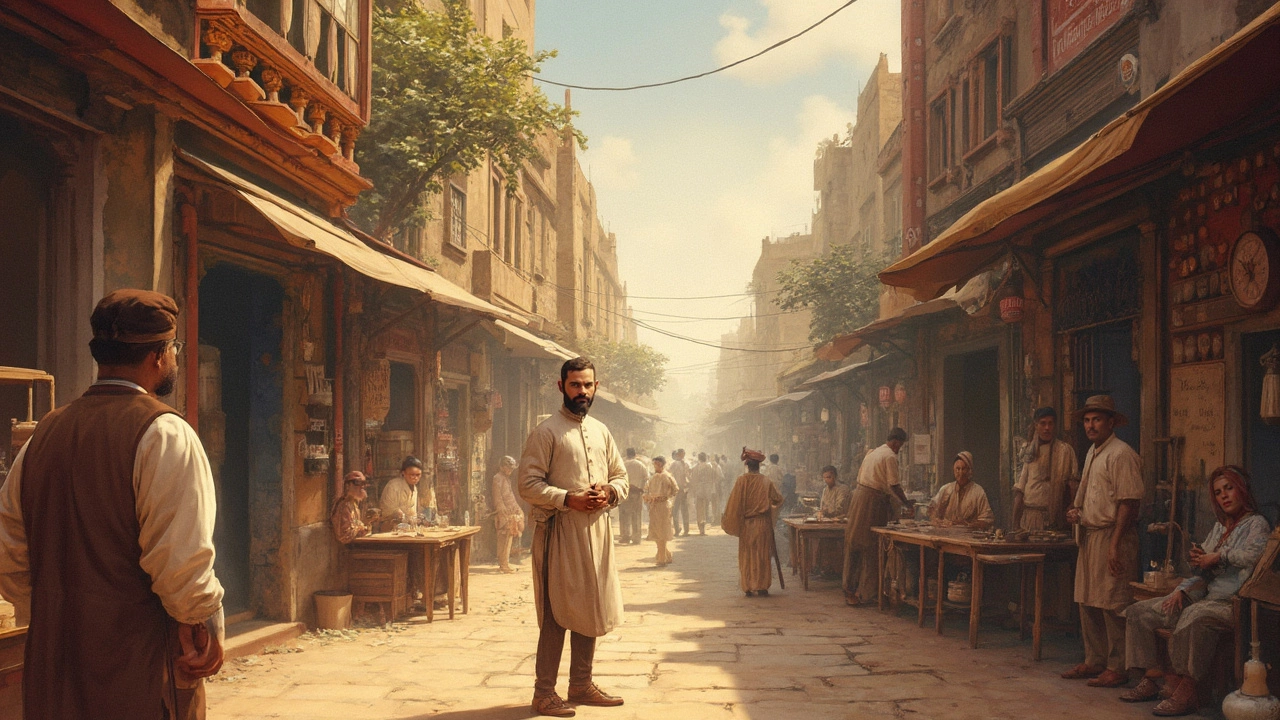
Delve into the history of India's pharmaceutical industry by exploring the story of Bengal Chemicals, recognized as the country's oldest pharma company. Founded in the late 19th century by a pioneering Indian scientist, this company's journey showcases the evolution of pharmaceutical manufacturing in India. Discover how it adapted over the decades, its innovative contributions, and its lasting impact on healthcare.