Ocean Pollution: Causes, Impact, and How Manufacturing Plays a Role
When we talk about ocean pollution, the contamination of marine environments by human-made waste, especially plastics and toxic chemicals. Also known as marine pollution, it’s not just about floating bottles—it’s about entire ecosystems collapsing because of what we dump, leak, or ignore. Every year, over 11 million tons of plastic enter the oceans. That’s like dumping a garbage truck full of plastic into the sea every minute. And it’s not just plastic. Factories, shipyards, and industrial zones along coastlines in India and around the world release heavy metals, dyes, solvents, and untreated wastewater directly into rivers that feed the sea.
Plastic waste, synthetic materials that don’t break down naturally and persist for centuries in marine environments is the most visible problem, but it’s closely tied to how we make things. The same factories producing electronics, textiles, and furniture in Tamil Nadu, Gujarat, or Uttar Pradesh often rely on petrochemicals that become microplastics. When these materials are discarded or poorly managed, they end up in the ocean. Even manufacturing waste, byproducts from production lines that aren’t recycled or contained—like excess resin, dye sludge, or metal shavings—find their way into waterways. In India, where over 180 billion liters of industrial wastewater are generated annually, much of it flows untreated into the sea.
It’s not just about cleanup. It’s about design. Can we make products that don’t leave behind toxic traces? Can factories reuse water instead of dumping it? Can packaging be eliminated or made from natural materials? The answers are in the hands of manufacturers. Some Indian firms are already switching to biodegradable packaging, closing water loops, and reducing chemical use. But most still treat the ocean as a dumping ground because it’s cheaper than proper treatment.
What you’ll find below are real stories from Indian manufacturing—how plastic is made, how factories pollute, and how some are turning things around. You’ll see the link between the furniture in your home, the clothes you wear, and the dead coral reefs offshore. This isn’t abstract. It’s happening right now. And it’s time we connected the dots.
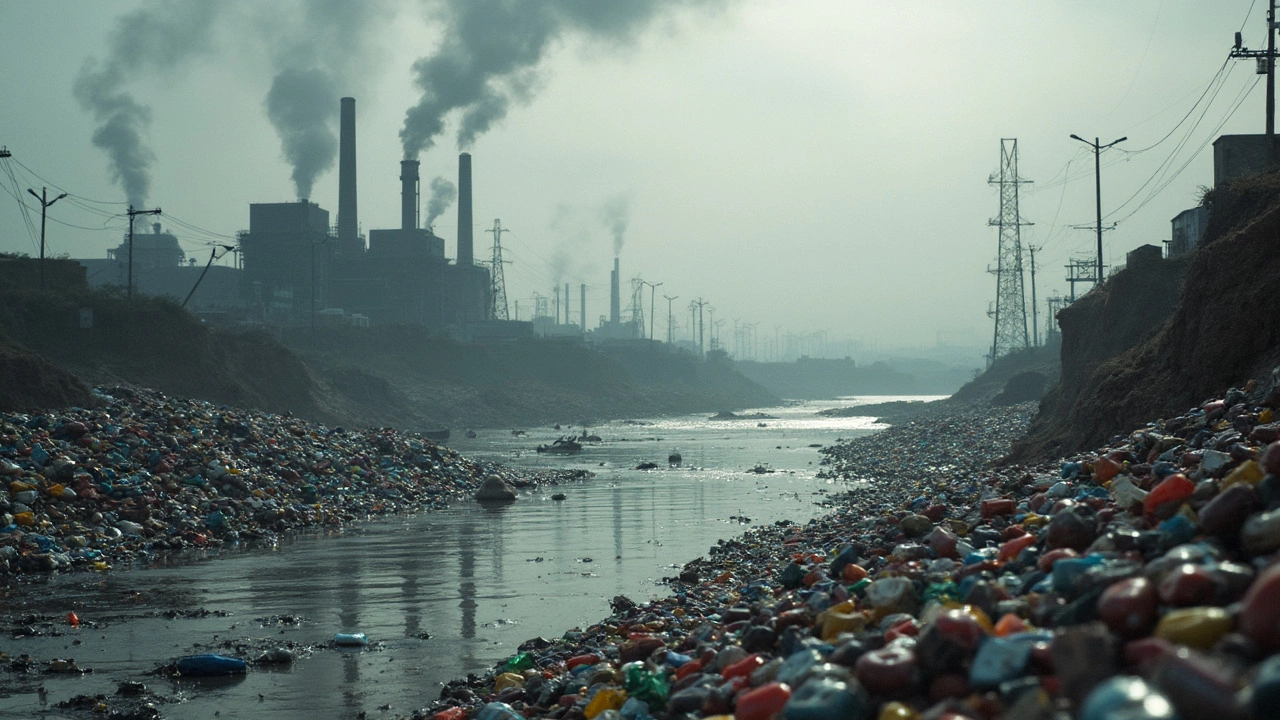
In a world where sustainability is becoming a buzzword, it's shocking to learn some plastic manufacturing companies still dispose of waste in our oceans. This article explores who these offenders are, the impact of their actions, and what measures can be taken to hold them accountable. Discover how consumer choices and industry regulations can play a vital role in preventing this environmental crime. Follow the journey of plastic waste from production to ocean and learn how you can make a difference.
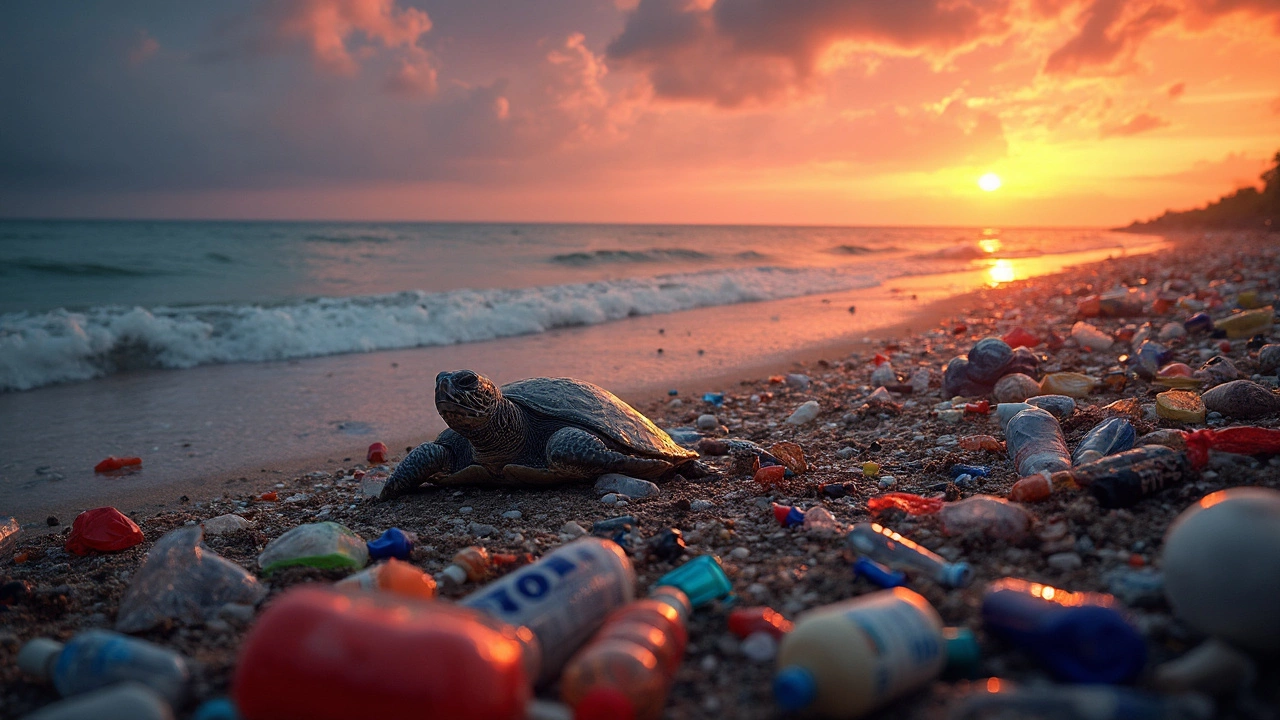
Plastic pollution in our oceans is one of the most pressing environmental issues today. This article explores which plastics are causing the most harm and how they end up in the marine ecosystem. Discover the impact of plastic waste on ocean life and find out what practical steps both consumers and manufacturers can take to reduce this growing problem. From single-use items to fishing gear, learn about the plastics polluting our waters the most.