Mitsubishi in Manufacturing: Key Players, Technologies, and Indian Industry Links
When you think of Mitsubishi, a Japanese industrial giant with deep roots in manufacturing, electronics, and heavy machinery. Also known as Mitsubishi Heavy Industries, it MHI, it builds everything from construction equipment to power systems that keep factories running across Asia. While you won’t see Mitsubishi logos on every Indian factory floor, its technology quietly powers many of them—through motors, CNC systems, and automation controls used by local manufacturers. It’s not just a brand; it’s a backbone for precision production.
Mitsubishi’s influence shows up in ways you might not expect. In India’s growing electronics sector, its PLCs (programmable logic controllers) help automate assembly lines for smartphones and appliances. In heavy machinery, Mitsubishi’s hydraulic systems and engine components are used in equipment that rivals Caterpillar and Komatsu, especially in infrastructure projects backed by government contracts. Even in textile mills in Tamil Nadu, Mitsubishi’s drive systems ensure consistent fabric production. It’s not about selling machines directly to small businesses—it’s about supplying the brains and muscles behind the machines others build.
What makes Mitsubishi stand out isn’t just its scale, but its focus on reliability. Unlike some Western brands that push high-tech features at the cost of service, Mitsubishi’s systems are designed to last in tough environments—something Indian manufacturers value deeply. You’ll find their gear in factories from Gujarat to Tamil Nadu, often paired with local parts and labor. And while companies like BEML dominate earth-moving equipment in India, Mitsubishi’s contributions show up in the smaller, critical components that keep those machines moving day after day.
There’s no single Indian company that’s a direct clone of Mitsubishi, but many local firms use its tech to build their own products. That’s the real story: Mitsubishi doesn’t always compete—it enables. From semiconductor tools to energy-efficient motors, its innovations help Indian manufacturers cut waste, reduce downtime, and meet global quality standards. If you’re running a small factory or scaling up production, understanding what Mitsubishi offers—beyond the name—could save you time, money, and headaches.
Below, you’ll find real-world examples of how Mitsubishi’s technology connects with Indian manufacturing trends—from automation in electronics plants to the hidden systems behind furniture production and textile mills. These aren’t ads. They’re insights from the ground.
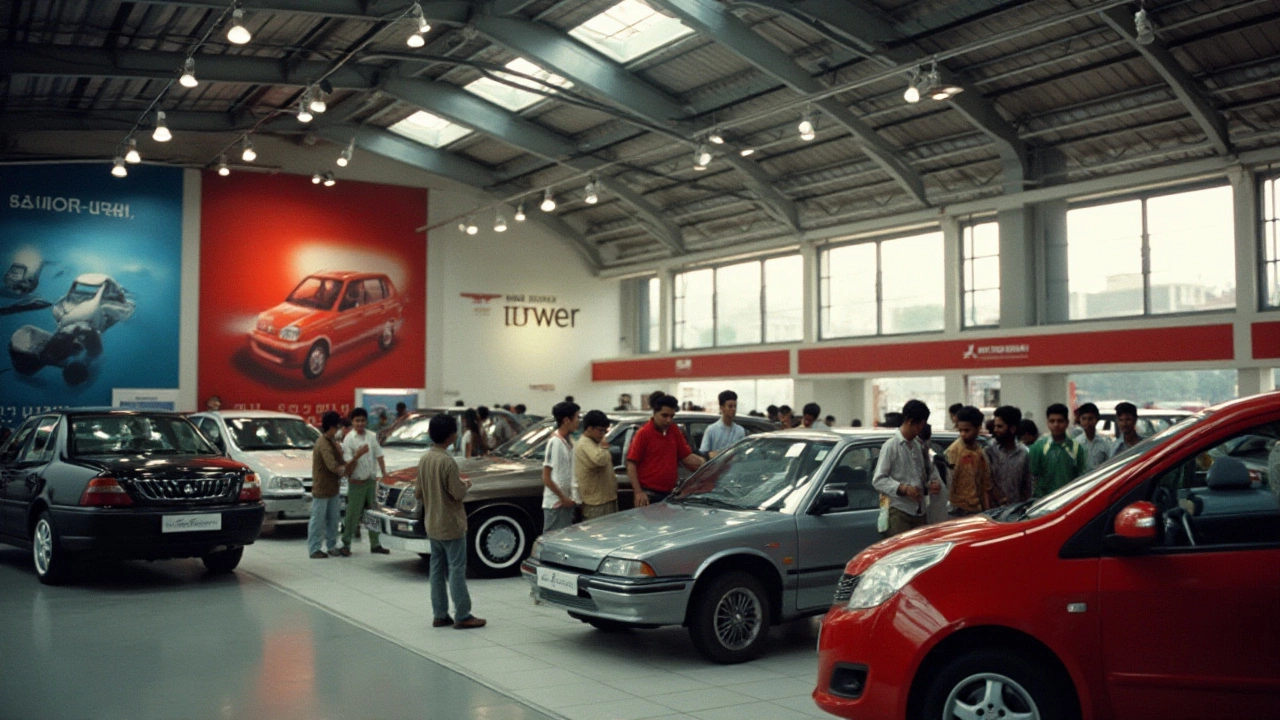
Mitsubishi's exit from India marked a significant moment in the automotive industry, raising questions about the challenges and decisions leading to this outcome. At one point, Mitsubishi was known for its technologically advanced models that appealed to Indian consumers. However, a mix of strategic missteps, changing market dynamics, and intensifying competition contributed to its withdrawal. This article delves into the complexities of Mitsubishi's operations in India, offering insights into their journey and the factors influencing their decision to cease operations.