Marine Environment: How India's Manufacturing Shapes Ocean Health and Industry
When we talk about the marine environment, the system of oceans, coastlines, and underwater ecosystems that support life on Earth. Also known as ocean ecosystem, it provides food, regulates climate, and absorbs carbon—but it’s under stress from industrial activity. In India, where manufacturing is booming, the marine environment isn’t just a backdrop—it’s a direct target. Factories near the coast dump untreated effluents. Shipyards scrape paint into tidal waters. Chemical plants release toxins that sink into seabed sediments. These aren’t hypothetical risks. They’re daily realities.
India’s coastal states—Gujarat, Tamil Nadu, Maharashtra, and Andhra Pradesh—are home to over 60% of the country’s manufacturing output. That means ports, steel mills, textile dyeing units, and plastic processors sit right where rivers meet the sea. The industrial waste, byproducts from factories that often contain heavy metals, dyes, and synthetic chemicals from these sites doesn’t vanish. It flows into creeks, then into the Arabian Sea and Bay of Bengal. Studies show that over 70% of coastal water samples near industrial zones exceed safe limits for lead, mercury, and chromium. The ocean pollution, the introduction of harmful substances into marine systems that disrupt ecosystems and wildlife isn’t just from oil spills or plastic bags. It’s from the everyday operations of businesses that make everything from pipes to polyester.
But here’s the thing: India’s manufacturing sector isn’t just part of the problem—it’s becoming part of the solution. New regulations under the Coastal Regulation Zone (CRZ) rules are forcing factories to treat wastewater before discharge. Companies like BEML and Tata Steel are investing in closed-loop water systems. Textile hubs in Tirupur are adopting zero-liquid discharge tech. The coastal industries, manufacturing and processing businesses located near shorelines that directly interact with marine ecosystems are waking up. Why? Because clean water means fewer fines, better worker health, and access to global markets that demand sustainable sourcing.
What you’ll find below aren’t just articles about factories or oceans. They’re real stories of how manufacturing choices ripple through marine systems—and how smart businesses are turning pressure into progress. From chemical use in textiles to the hidden waste from electronics plants, these posts connect the dots between what’s made on land and what’s dying in the sea. No fluff. No theory. Just what’s happening, who’s doing something about it, and what you need to know if you’re in or near this space.
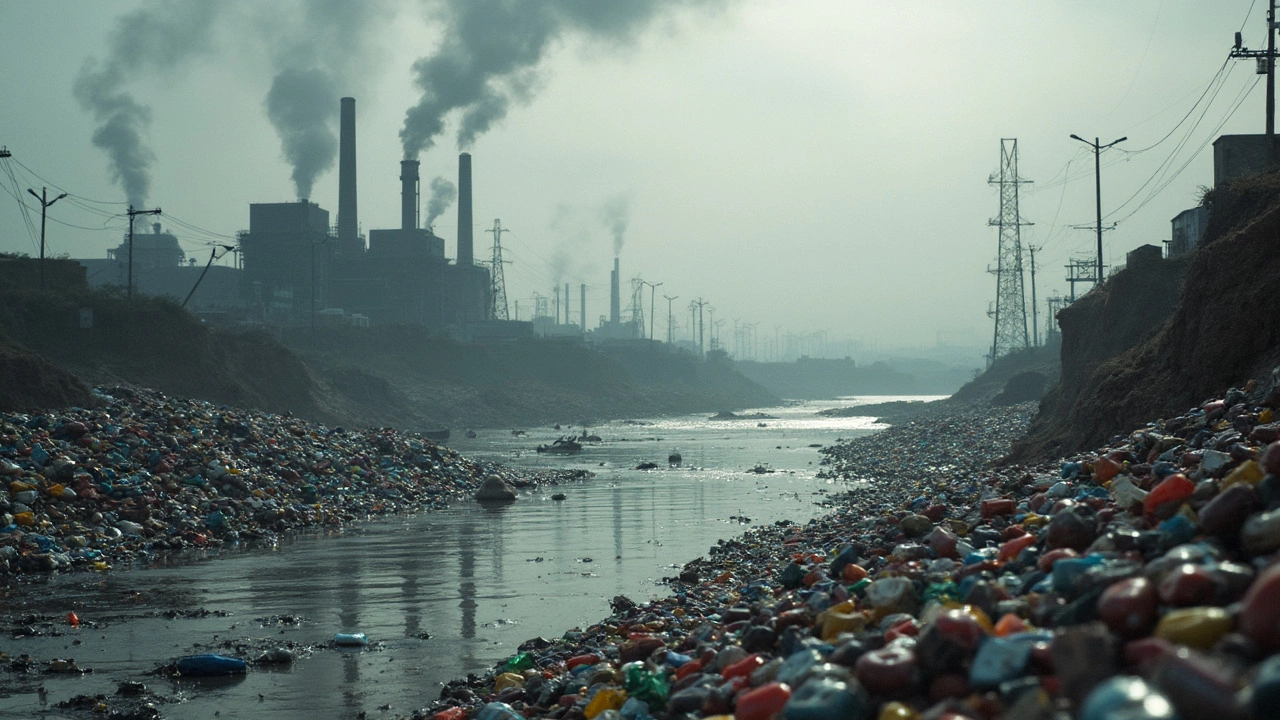
In a world where sustainability is becoming a buzzword, it's shocking to learn some plastic manufacturing companies still dispose of waste in our oceans. This article explores who these offenders are, the impact of their actions, and what measures can be taken to hold them accountable. Discover how consumer choices and industry regulations can play a vital role in preventing this environmental crime. Follow the journey of plastic waste from production to ocean and learn how you can make a difference.