Marine Debris: What It Is, Where It Comes From, and How India Fits In
When you think of marine debris, trash that ends up in oceans and waterways, often made of plastic, metal, or synthetic materials. Also known as ocean pollution, it’s not just a problem for distant islands—it’s tied to how we make things, how we package them, and how we dispose of waste. Every year, over 8 million tons of plastic enter the ocean. Much of it doesn’t come from ships or fishing boats. It comes from land—from cities, factories, and packaging that ends up in rivers and drains.
India’s rapid growth in manufacturing and consumer goods has meant more plastic, more packaging, and more waste. Think about the single-use sachets of shampoo, the plastic-wrapped snacks, the foam containers from food delivery. These aren’t just everyday items—they’re the building blocks of marine debris. Even though India doesn’t export much of this waste directly, its rivers carry tons of it into the sea. The Ganges alone is one of the top 10 rivers in the world dumping plastic into oceans. And while India has made progress in recycling and local waste management, the scale of production still outpaces cleanup efforts.
Marine debris isn’t just plastic. It’s fishing nets, metal scraps from shipyards, abandoned containers, and even synthetic fibers from textiles. India’s textile hubs like Tamil Nadu and Surat produce millions of tons of fabric each year. Tiny microfibers from washing clothes end up in wastewater—and eventually, the sea. The same goes for factories near coastal areas that discharge waste without proper filtration. These aren’t accidents. They’re systemic gaps between how things are made and how waste is handled.
What’s surprising is how little we talk about this in manufacturing circles. We celebrate India’s rise in electronics, steel, and furniture—but rarely connect those industries to what happens to their waste. A smartphone made in Tamil Nadu might be shipped to Europe, but its plastic casing? It could end up on a beach in Sri Lanka or the Maldives. A steel pipe made in Maharashtra might be used in a port project, but the metal shavings? They can rust into the sea.
There’s a direct link between what’s produced and what pollutes. And that’s why the posts below matter. You’ll find stories on how Indian factories use plastics, how small businesses handle waste, what materials dominate manufacturing, and how consumer habits feed into this cycle. You’ll see how sodium hydroxide powers soap-making but also ends up in waterways. You’ll see how furniture makers use wood and plastic, and how those materials break down—or don’t. You’ll learn why some industries are better at managing waste than others, and what’s being done—or ignored.
This isn’t about blaming. It’s about seeing the connection. If you’re in manufacturing, retail, or even just a consumer in India, you’re part of this system. The next time you buy something wrapped in plastic, ask: where will this go after I’m done with it? The answer might surprise you—and it might change how you think about what you buy, what you make, and what you throw away.
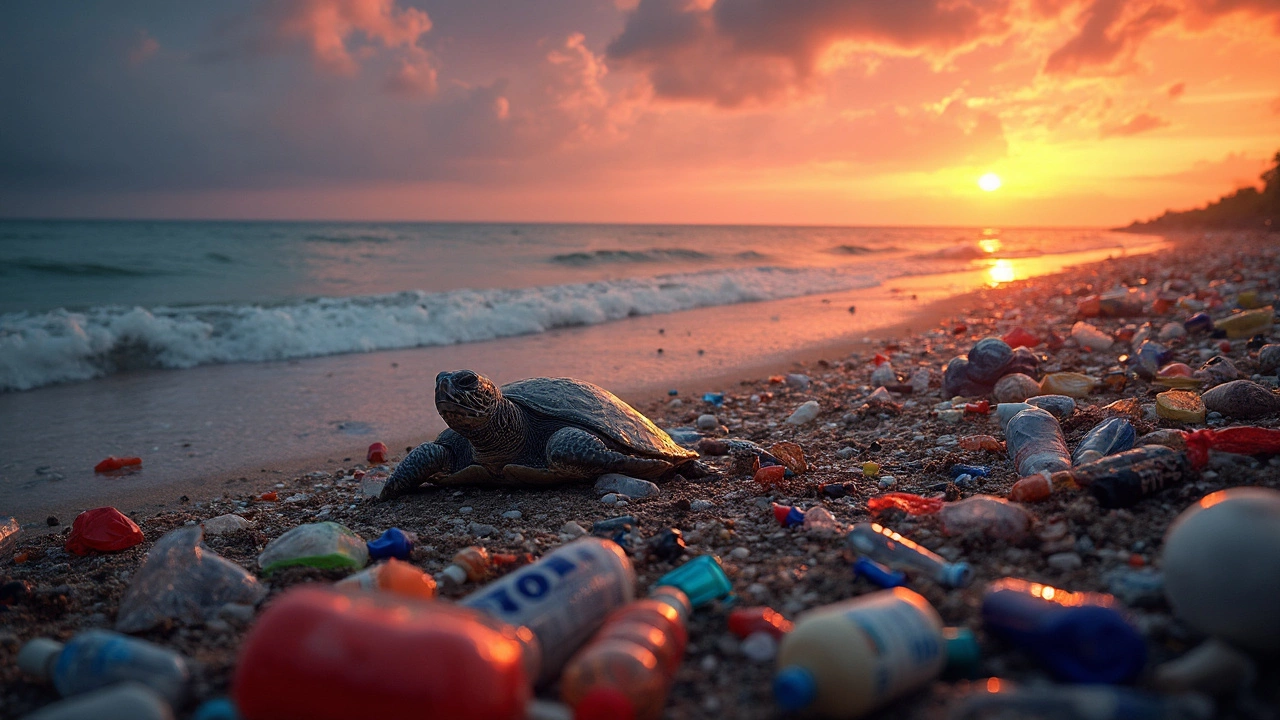
Plastic pollution in our oceans is one of the most pressing environmental issues today. This article explores which plastics are causing the most harm and how they end up in the marine ecosystem. Discover the impact of plastic waste on ocean life and find out what practical steps both consumers and manufacturers can take to reduce this growing problem. From single-use items to fishing gear, learn about the plastics polluting our waters the most.