Manufacturing in Mexico
When you think of manufacturing in Mexico, a rapidly growing industrial hub with deep trade links to North America and a workforce trained in automotive, electronics, and aerospace production. Also known as nearshoring, it’s the strategy companies use to move production closer to the U.S. market without paying Chinese prices or dealing with long shipping delays. This isn’t just about cheaper labor—it’s about speed, reliability, and avoiding geopolitical risk.
Manufacturing in Mexico has grown because it answers real problems: tariffs on Chinese goods, port congestion, and the need for faster delivery. Companies like Ford, General Motors, and Apple now have major plants there. They’re making car parts, electronics, and medical devices because Mexico offers free trade agreements, especially the USMCA, which lets goods move duty-free across North America. That’s a game-changer. Unlike India, where logistics can be slow and infrastructure uneven, Mexico shares a border with the U.S., so trucks can roll into Texas or California in under 48 hours. It’s why many U.S. brands are shifting from China to Mexico—even when wages are higher than in Vietnam or Bangladesh.
But it’s not all smooth. skilled labor shortages, especially in advanced manufacturing like robotics and precision tooling, are a real issue. And while corruption and safety concerns exist in some regions, the big industrial zones—like Monterrey, Tijuana, and Chihuahua—are clean, modern, and well-connected. Factories there follow ISO standards, use lean systems like the 7S of manufacturing, a proven method for organizing workspaces and cutting waste, and train workers in the same techniques used in Germany or Japan.
What’s interesting is how this ties back to India. While India pushes Make in India with big subsidies and tax breaks, Mexico is winning on execution. It doesn’t need to convince the world it’s ready—it already is. The U.S. imports more from Mexico than from China in some categories. And unlike India’s complex state-by-state rules, Mexico’s manufacturing zones operate under one clear national framework.
So if you’re watching global supply chains, you’re watching Mexico. Whether it’s your phone, your car, or your kitchen appliance, there’s a good chance it passed through a factory there. The posts below dig into the real costs, the top industries, the companies moving operations, and what this shift means for manufacturers everywhere—including those in India trying to compete on a global scale.
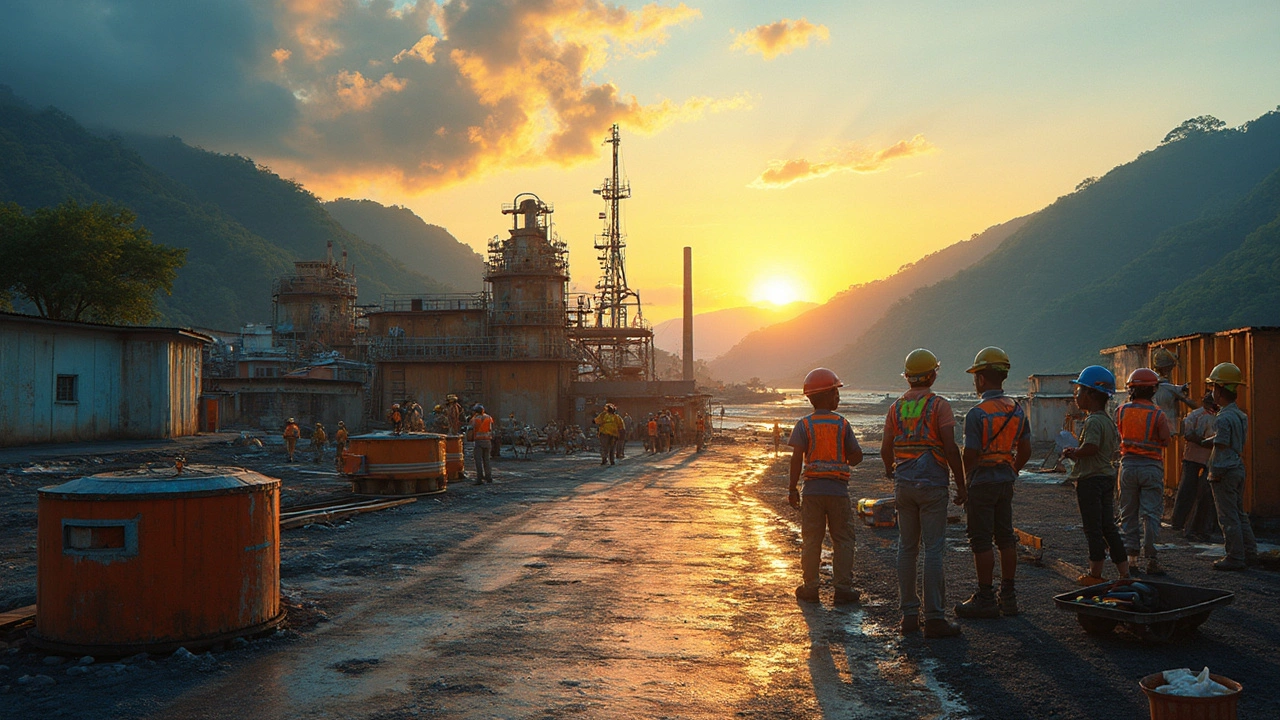
Manufacturing in Mexico offers several advantages, but it's crucial to understand the potential downsides before diving in. This article explores some common challenges like regulatory hurdles, labor issues, transportation logistics, and quality control that businesses may face when setting up operations south of the border. Learn how these factors could impact your manufacturing process and what steps can be taken to mitigate potential risks.