Man-Made Fiber India: Types, Uses, and Top Manufacturers
When we talk about man-made fiber, synthetic fibers created through chemical processes like polyester, nylon, and acrylic. Also known as synthetic fibers, it has become the backbone of India’s textile industry, replacing cotton in everything from cheap T-shirts to high-performance sportswear. Unlike natural fibers that depend on weather and harvests, man-made fibers are made in factories—consistent, scalable, and cheaper to produce in bulk. That’s why India, with its growing textile exports and Make in India push, now produces over 6 million tons of synthetic fibers every year.
These fibers aren’t just about cost. polyester, a type of man-made fiber known for its durability, wrinkle resistance, and moisture-wicking properties dominates the market, used in everything from school uniforms to luggage. nylon, another key man-made fiber, prized for its strength and elasticity, is everywhere—from socks and parachutes to car seat belts. And while natural fibers like cotton still have their place, especially in premium markets, man-made fibers are winning in volume because they’re easier to dye, faster to dry, and less prone to shrinking. Tamil Nadu and Gujarat are the main hubs, with Coimbatore and Surat leading production thanks to clusters of spinning mills and dyeing units.
What’s driving this shift? Lower raw material costs, government subsidies for chemical plants, and demand from global brands looking for reliable, large-scale suppliers. Indian manufacturers now export synthetic fabrics to the U.S., Europe, and Southeast Asia—not just as raw material, but as finished garments. Even small factories are jumping in, using affordable machinery to produce blended fabrics that combine cotton with polyester for better comfort and lower prices.
You’ll find man-made fibers in your jeans, your gym shorts, your curtains, and even your car seats. And while some still prefer organic cotton, the truth is, most of what you wear today has some synthetic fiber in it. The next time you buy a shirt labeled "easy care" or "quick dry," you’re holding a product of India’s man-made fiber revolution.
Below, you’ll find real insights into who makes these fibers, where they’re used, and how they’re changing India’s manufacturing landscape—from small mills to export giants.
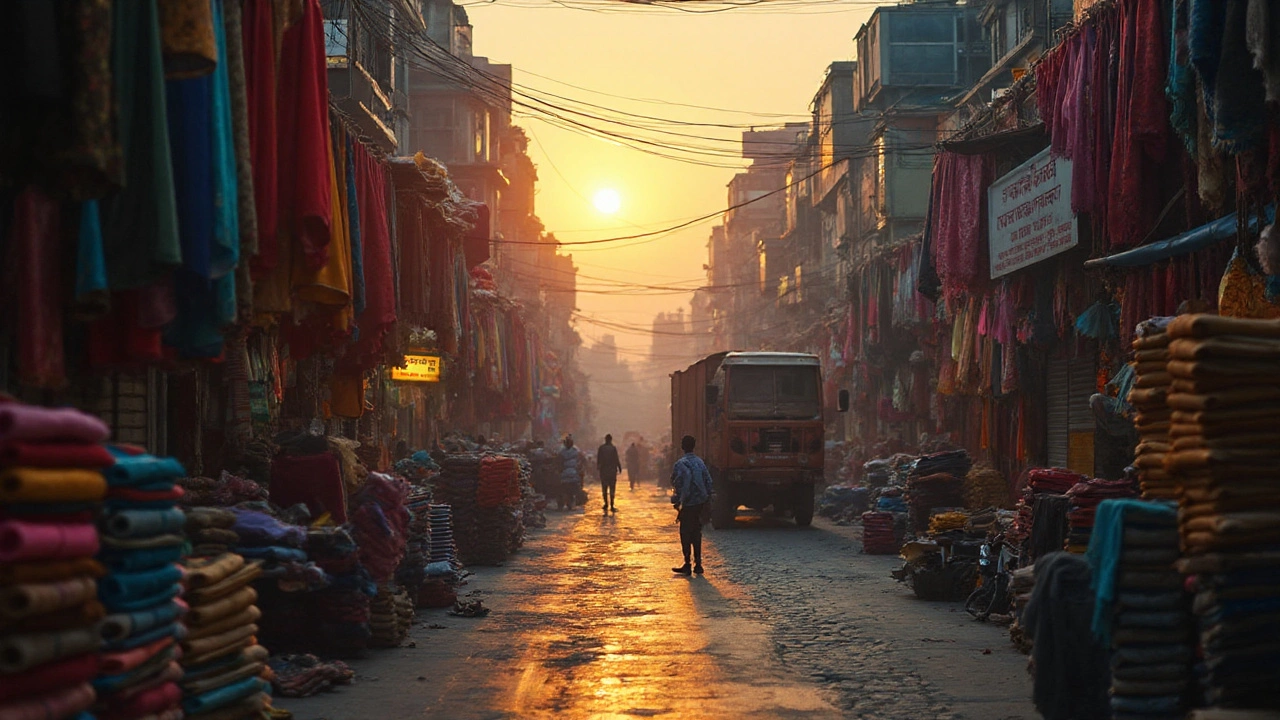
Why Surat rules India’s clothing trade: clear reasons, timeline, what it makes, prices, sourcing tips, pitfalls, and stats with credible references.