Leo Baekeland: The Man Who Invented Bakelite and Changed Manufacturing
When you think of plastic, you might picture water bottles or phone cases—but the story starts with Leo Baekeland, a Belgian-American chemist who created the first fully synthetic plastic, Bakelite, in 1907. Also known as the father of modern plastics, he didn’t just make a new material—he built the foundation for mass production as we know it. Before Bakelite, everything made from resin or hard rubber was either natural or partially synthetic. Baekeland’s breakthrough was creating something entirely human-made, stable under heat, and perfect for electrical insulation, buttons, telephones, and later, car parts and kitchenware.
Bakelite, a thermosetting phenol formaldehyde resin, was the first material that could be molded into complex shapes and then locked in place permanently. That’s what made it different from earlier plastics like celluloid, which softened with heat. Bakelite didn’t melt. It didn’t warp. It didn’t conduct electricity. Factories could churn out thousands of identical parts fast and cheap. This wasn’t just a lab curiosity—it became the backbone of early 20th-century manufacturing. Companies like General Electric and Ford used it to make switches, distributors, and radio casings. Even today, you can find Bakelite in vintage radios, old typewriters, and antique jewelry.
Leo Baekeland’s work didn’t just give us plastic—it gave us the idea that materials could be designed for function, not just discovered in nature. His invention enabled the rise of consumer goods, electronics, and eventually, the entire modern supply chain. Today, when you see a smartphone case, a power tool housing, or even a child’s toy, you’re seeing the legacy of one man’s chemistry experiment in a basement lab. The same principles he used—control, consistency, scalability—are now standard in factories from Tamil Nadu to Taiwan.
What’s fascinating is how Baekeland’s story mirrors India’s own manufacturing rise. Just as Bakelite replaced imported materials with locally producible ones, today’s Indian factories are doing the same with electronics, textiles, and auto parts. The shift from imported goods to homegrown production? That’s the same spirit Baekeland started over a century ago. Below, you’ll find real examples of how manufacturing evolved from early plastics to today’s high-volume production systems—and how the lessons from Bakelite still apply in factories across India.
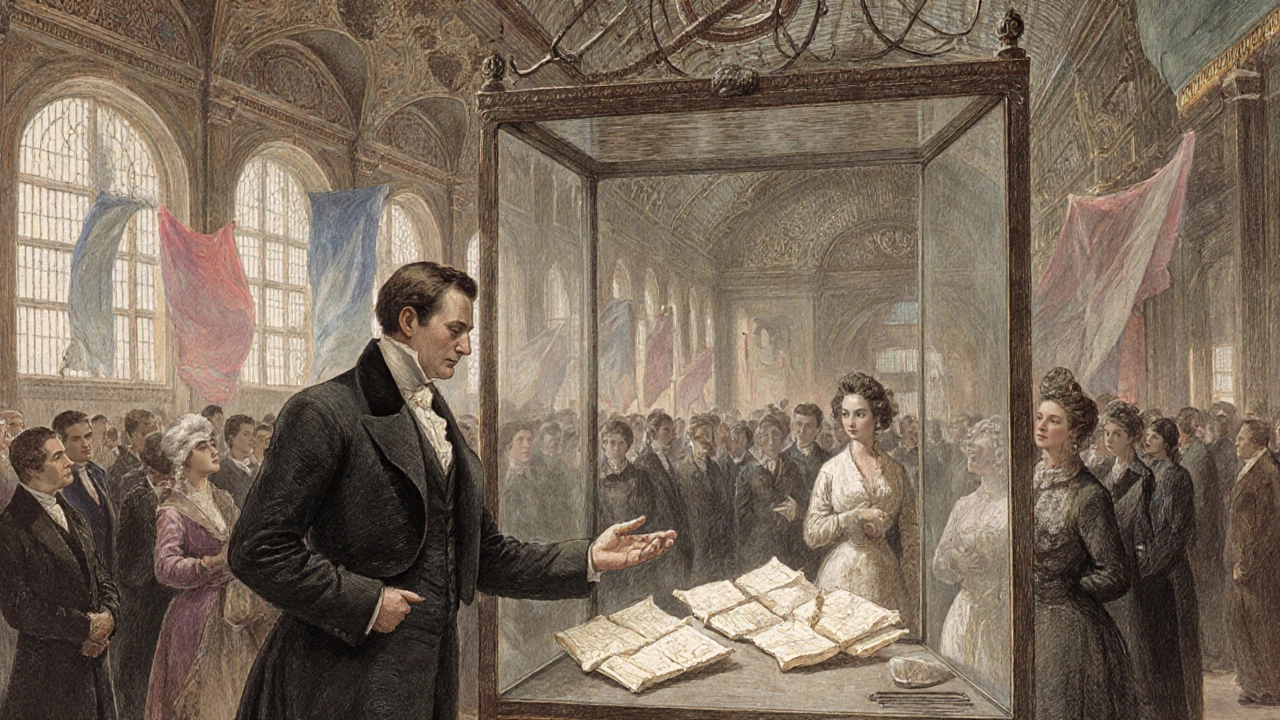
Discover the inventors behind the first plastics-Parkes, Hyatt, Baekeland-and how their breakthroughs created the modern plastic industry.