Industrial Kitchen: What It Is, How It Works, and Why It Matters in Indian Manufacturing
When you think of a kitchen, you probably picture a home setup with a stove, fridge, and a few pots. But an industrial kitchen, a large-scale food production facility designed for high-volume output in commercial or institutional settings. Also known as a commercial kitchen, it’s not about cooking for comfort—it’s about cooking for efficiency, consistency, and scale. These aren’t just bigger versions of home kitchens. They’re engineered systems built for speed, safety, and output—think stainless steel counters, conveyor ovens, batch cookers, and automated dishwashers running 12 hours a day. In India, where the food service industry is growing faster than ever, industrial kitchens are the hidden engines behind hotels, canteens, cloud kitchens, and even school meal programs.
What makes an industrial kitchen different isn’t just size—it’s the commercial kitchen equipment, heavy-duty tools built for continuous use in high-pressure environments. A home food processor might chop onions for a family dinner. An industrial kitchen uses a 10-horsepower food chopper that can process 50 kilograms of vegetables in under a minute. These aren’t luxuries—they’re necessities. The same goes for refrigeration: while your fridge holds groceries for a week, an industrial walk-in cooler keeps 2,000 meals safe for days. And it’s not just about machines. Layout matters. Every shelf, sink, and burner is placed to reduce steps, prevent cross-contamination, and cut labor costs. This is where manufacturing principles meet food prep: standardization, workflow optimization, and waste reduction aren’t buzzwords—they’re survival tactics.
India’s food industry is booming, and with it, demand for industrial kitchens. From hospital feed centers in Chennai to cloud kitchens in Bangalore, these systems are everywhere. The rise of food delivery apps, government mid-day meal schemes, and large-scale catering for events has turned industrial kitchens into critical infrastructure. And while many still think of Indian food as hand-made and slow-cooked, the truth is that even traditional dishes like biryani or dal are now being batch-prepped in these facilities to meet demand. This shift isn’t replacing tradition—it’s making it scalable.
What you’ll find in the posts below are real examples of how industrial kitchens operate across India. You’ll see which equipment actually gets used, how restaurants balance speed with quality, and why some food businesses succeed while others burn out. Whether you’re running a small eatery, planning a catering startup, or just curious about how your favorite meal gets made at scale—this collection gives you the practical, no-fluff details you won’t find in marketing brochures.
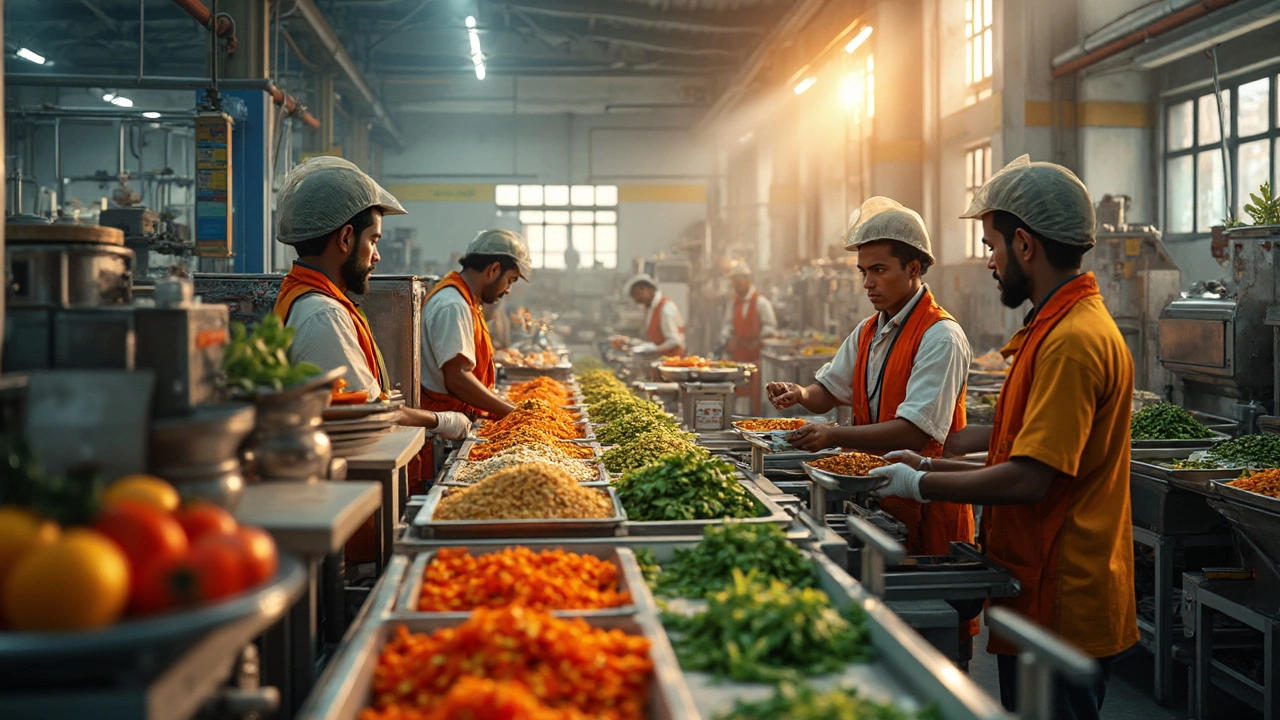
This article breaks down what a food processing unit is, the different names it goes by, and how it works. You'll find practical tips for choosing a processing unit and real examples from the food industry. Get insight into the role of these units in modern food production, plus some lesser-known facts. Whether you're curious about large-scale factories or small local plants, you'll get all the basics and more.