Indian Pharma: The Quiet Giant Behind the World’s Medicines
When you take a common antibiotic, a blood pressure pill, or a diabetes medicine, there’s a good chance it came from Indian pharma, India’s massive, low-cost pharmaceutical manufacturing sector that supplies over 50% of global generic drug demand. Also known as the pharmacy of the world, this industry doesn’t just make pills—it keeps healthcare affordable across Africa, Latin America, and even the U.S. What makes Indian pharma different isn’t fancy labs or billion-dollar R&D budgets. It’s scale, speed, and a deep understanding of what works for real people.
Behind every bottle of generic medicine sold abroad is a network of pharma manufacturers India, hundreds of licensed drug producers, from giant corporations to small-scale units, all regulated by India’s strict drug control system. These companies don’t just copy drugs—they reverse-engineer them, optimize production, and cut costs without sacrificing quality. The result? A single course of antibiotics can cost $1 in India and $50 in the U.S. That’s not magic. It’s manufacturing efficiency, smart supply chains, and decades of experience.
India’s pharma sector doesn’t just serve the poor. It’s also a major exporter, shipping over $20 billion in medicines every year. From active pharmaceutical ingredients (APIs) to finished tablets, Indian companies supply the raw materials and final products that global brands rely on. Even big U.S. and European drugmakers outsource production to India because they can’t match the cost or volume. And it’s not just about pills—India is also a top producer of vaccines, including those used in global immunization programs.
What’s driving this growth? Government policies like Make in India and tax incentives for drug manufacturing. Strong local demand from a growing middle class. And a workforce trained in chemistry, engineering, and quality control. Unlike other industries where automation is replacing workers, Indian pharma still relies on skilled labor—people who know how to handle sterile environments, calibrate machines, and test batches down to the last microgram.
There are risks, too. Supply chain disruptions, raw material shortages (especially for APIs from China), and tighter global regulations can shake the industry. But Indian companies are adapting—building their own API plants, investing in automation, and moving into complex drugs like biologics and inhalers. The future isn’t just about cheap generics anymore. It’s about high-quality, innovative medicines made in India.
Below, you’ll find real insights into what it takes to run a pharmacy, who the top players are, how profits really work, and what’s changing in India’s drug industry by 2025. No fluff. Just facts from the ground.
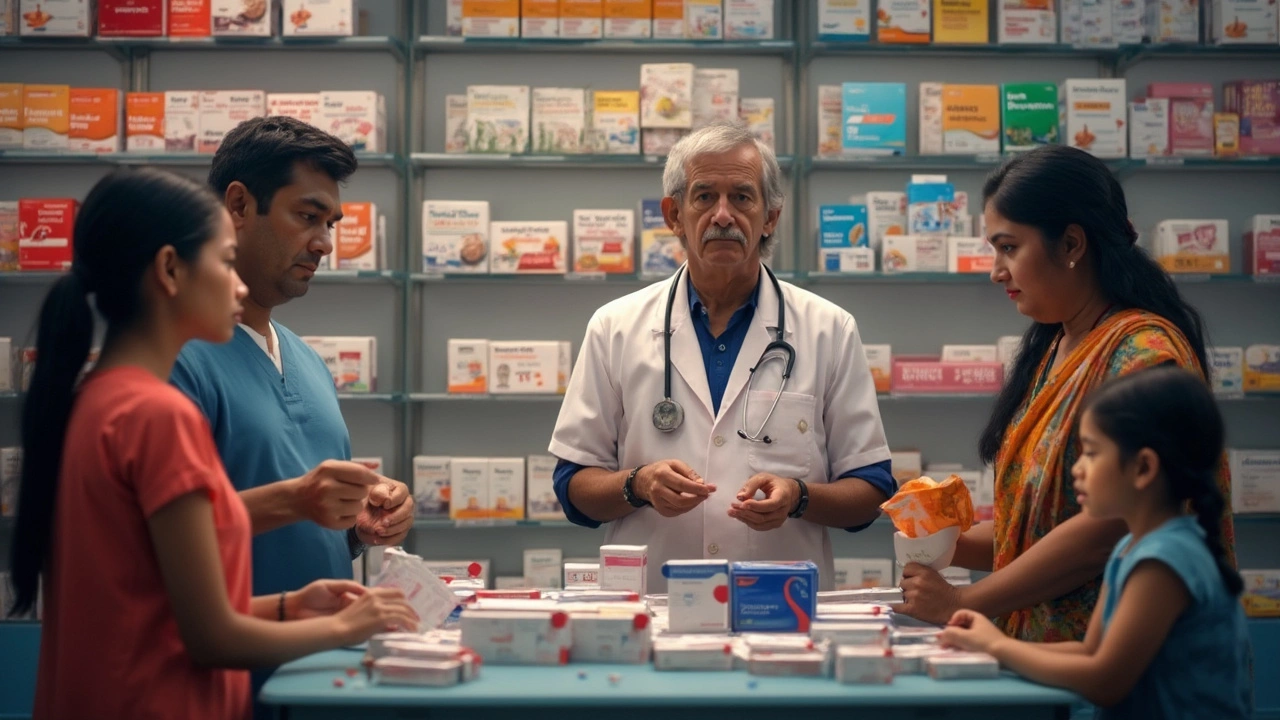
Wondering what kinds of drugs Cipla actually makes? This article takes a practical look at the huge medicine lineup at Cipla, a top Indian pharmaceutical brand. You’ll find out which areas they focus on, from HIV to everyday coughs, and how Cipla became such a trusted name worldwide. Check out some cool facts, get honest tips for choosing generic drugs, and see why hospitals lean on Cipla for life-saving treatments. No jargon here—just clear, practical info anyone can understand.