Indian manufacturing: What drives it, who leads it, and where the real opportunities are
When you think of Indian manufacturing, the fast-growing, diverse industrial base powering everything from smartphones to handwoven fabrics across India. Also known as Made in India, it’s no longer just about low cost—it’s about scale, skill, and smart supply chains. This isn’t the India of 20 years ago. Today, factories in Tamil Nadu churn out denim that’s exported to Europe. In Uttar Pradesh, artisans carve wooden furniture using techniques passed down for centuries. And in Karnataka, electronics plants assemble smartphones that ship to Africa and the Middle East.
Electronics manufacturing in India, a sector that grew ninefold since 2014 and hit $180 billion in output in 2024 is one of the biggest drivers. Companies aren’t just assembling phones—they’re making circuit boards, batteries, and even chips. Meanwhile, textile manufacturing in India, the world’s top producer of premium cotton and handwoven silk still leads globally—not because it’s cheap, but because it’s consistent, detailed, and trusted by brands like Zara and H&M. Even small-scale manufacturing is thriving, with local makers producing metal planters, soaps, and custom furniture with minimal investment but high margins.
What makes Indian manufacturing different? It’s not just government schemes. It’s the mix of old craftsmanship and new tech. Factories in Coimbatore use automated looms alongside hand-operated spindles. BEML builds earth-moving machines in Bengaluru that compete with global giants. And in Mirzapur, woodworkers carve furniture so precise, buyers fly in from Germany just to see it. The real strength? Local supply chains. You don’t need to import wood when you’ve got sheesham forests in UP. You don’t need to outsource chips when you’ve got plants in Bengaluru and Hyderabad scaling up.
Some still ask if Indian manufacturing can compete with China. The answer isn’t about beating them—it’s about being different. China moves fast and cheap. India moves smart and deep. It builds products with cultural roots, uses local materials, and serves both global markets and millions of domestic buyers who now trust homegrown brands over foreign names. Whether it’s a small workshop in Gujarat making Bandhani fabric or a giant plant in Tamil Nadu producing 30% of India’s textiles, the engine is running—not because of subsidies alone, but because people here know how to make things that last.
What follows is a collection of real stories from inside this industry: who’s winning, what’s profitable, where the hidden hubs are, and what’s actually being made on the ground. No fluff. Just facts from the factory floor, the workshop, and the export yard.

Find out why Gujarat is India’s biggest name in the chemical industry. Discover facts, stats, and what powers this powerhouse city and state.
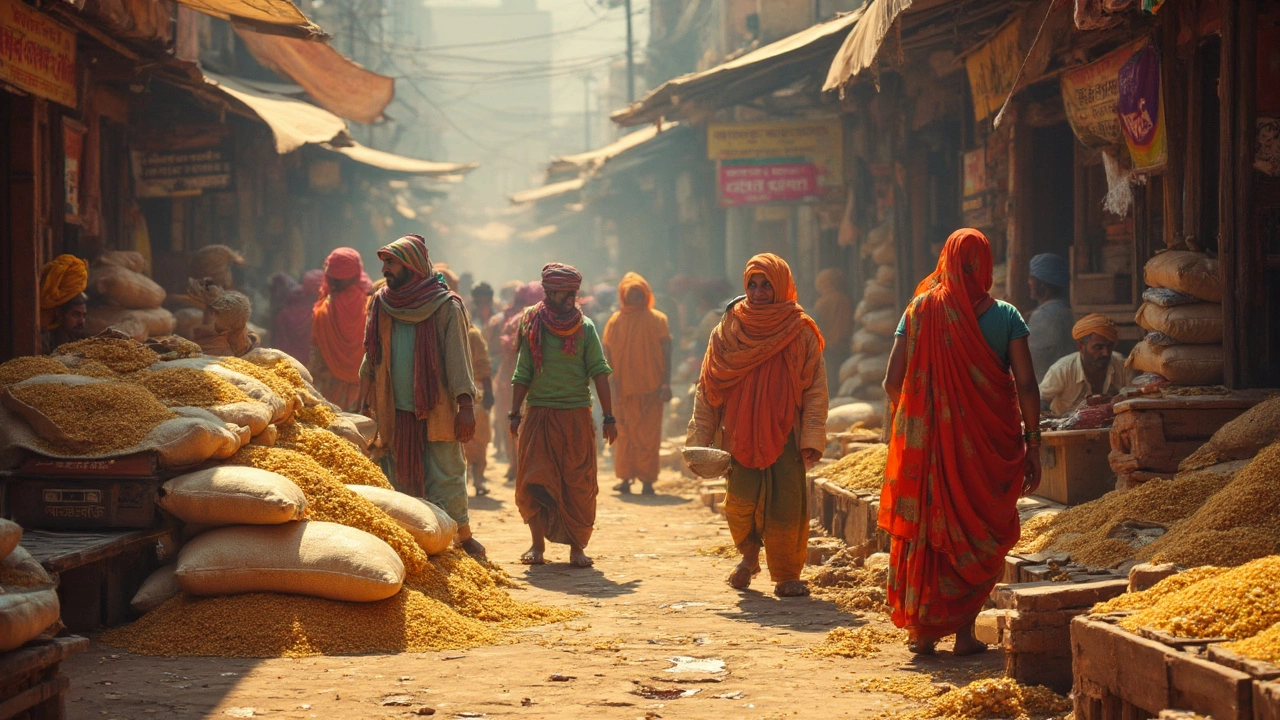
India's most mass-produced products, from rice and textiles to steel and pharmaceuticals, are driving its economy and shaping global markets. Uncover the facts, stats, and unique tips.