Indian agriculture: Key crops, challenges, and manufacturing links
When we talk about Indian agriculture, the backbone of India’s rural economy that employs nearly half the workforce and produces staples like rice, wheat, cotton, and sugarcane. Also known as rural farming, it’s not just about fields and monsoons—it’s a system that feeds factories, powers food processing, and supplies textiles to global markets. This isn’t just subsistence farming. It’s a complex network where cotton from Gujarat becomes fabric in Tamil Nadu, sugarcane from Uttar Pradesh turns into sugar and ethanol in nearby plants, and rice from Punjab gets packed and exported as branded products. The real story of Indian agriculture is how deeply it’s tied to manufacturing.
Behind every sack of wheat or bale of cotton is a chain of support industries. Agricultural machinery, from tractors to harvesters, is largely made in India by companies like Mahindra and TAFE, with BEML also producing earth-moving equipment used in land preparation. These machines aren’t imported luxuries—they’re built locally to handle India’s mixed terrain and small landholdings. Then there’s food processing, a fast-growing sector that turns raw crops into packaged goods, snacks, juices, and frozen meals, boosting farmer income and reducing waste. Sodium hydroxide, one of India’s most used industrial chemicals, shows up in everything from cleaning produce to making soap from cottonseed oil. And let’s not forget textile manufacturing, where India’s cotton output directly feeds the world’s second-largest textile industry, centered in Tamil Nadu and Gujarat.
Indian agriculture doesn’t operate in a vacuum. It’s shaped by government subsidies, climate shifts, and access to cold storage—something most small farms still lack. That’s why food processing is growing so fast: it’s the bridge between wasted harvests and profitable products. Farmers aren’t just growing crops—they’re supplying raw materials to a manufacturing ecosystem that’s expanding faster than ever. The same factories that make steel for tractors also produce packaging for packaged rice. The same logistics networks that move fertilizer also carry exported spices. This isn’t two separate worlds—it’s one integrated system.
What you’ll find below isn’t just a list of articles. It’s a map of how Indian agriculture connects to real manufacturing—whether it’s the wooden furniture made from farm-grown mango wood, the textiles woven from cotton grown in Maharashtra, or the food processing plants turning surplus harvests into shelf-stable goods. These aren’t abstract trends. They’re happening in villages, factories, and ports right now. And if you want to understand India’s industrial growth, you can’t ignore the soil it’s built on.
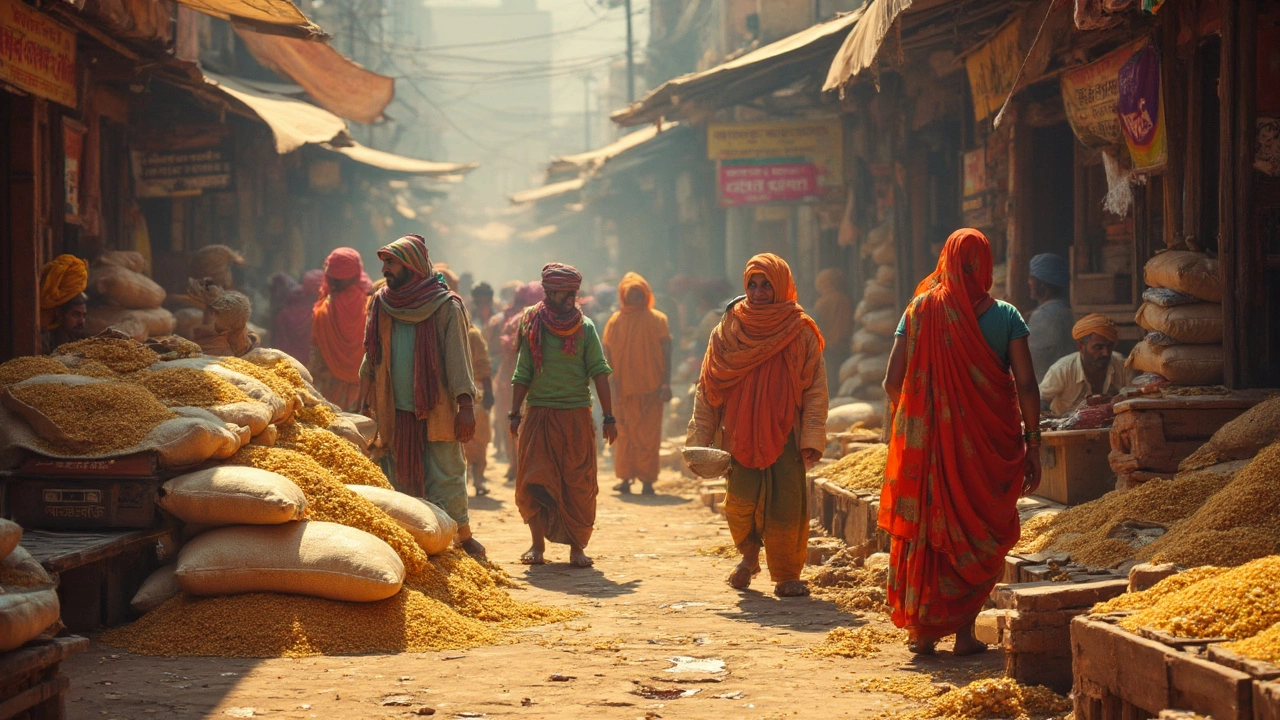
India's most mass-produced products, from rice and textiles to steel and pharmaceuticals, are driving its economy and shaping global markets. Uncover the facts, stats, and unique tips.