India automobile market: Trends, players, and what’s driving growth
The India automobile market, the rapidly expanding sector that produces and sells vehicles across cars, motorcycles, and commercial vehicles in India. Also known as the Indian auto industry, it’s now the fourth-largest in the world, producing over 6 million vehicles annually and growing at double-digit rates. This isn’t just about selling more cars—it’s about building a domestic supply chain, cutting import reliance, and exporting to global markets.
What makes this market different? It’s not just big—it’s smart. Local brands like Tata Motors and Maruti Suzuki dominate because they understand Indian roads, fuel costs, and buyer needs. Meanwhile, electric vehicles are no longer a niche. The government’s FAME scheme and tax breaks have pushed EV sales up over 150% in the last two years. Factories in Gujarat, Tamil Nadu, and Maharashtra are now turning out batteries, motors, and electronics locally, cutting costs and creating jobs. This shift means the Indian auto industry, a network of manufacturers, suppliers, and service providers focused on vehicle production in India is no longer just assembling parts—it’s inventing them.
And it’s not just cars. The demand for electric three-wheelers, cargo bikes, and compact SUVs is reshaping production lines. Companies like Ola Electric and Mahindra Electric are competing with global giants not by copying them, but by building cheaper, tougher, and smarter versions for Indian streets. At the same time, exports are rising fast—India now ships over 1.5 million vehicles a year to Africa, Latin America, and Southeast Asia. This growth is backed by policy, not luck. Make in India, production-linked incentives, and state-level industrial parks have turned manufacturing hubs into global suppliers.
Behind every vehicle sold is a story of local suppliers, skilled workers, and tech upgrades. From steel mills in Jamshedpur to electronics plants in Bengaluru, the automobile exports India, the shipment of vehicles and auto parts manufactured in India to international markets relies on a network that’s become more efficient than ever. And with battery recycling, AI-driven quality checks, and digital showrooms becoming standard, the industry is evolving faster than most expect.
What you’ll find in the posts below are real stories from this ecosystem—how small factories are supplying parts to giants, why some brands are winning while others fade, and what’s really happening in India’s car factories right now. No fluff. Just facts from the ground.
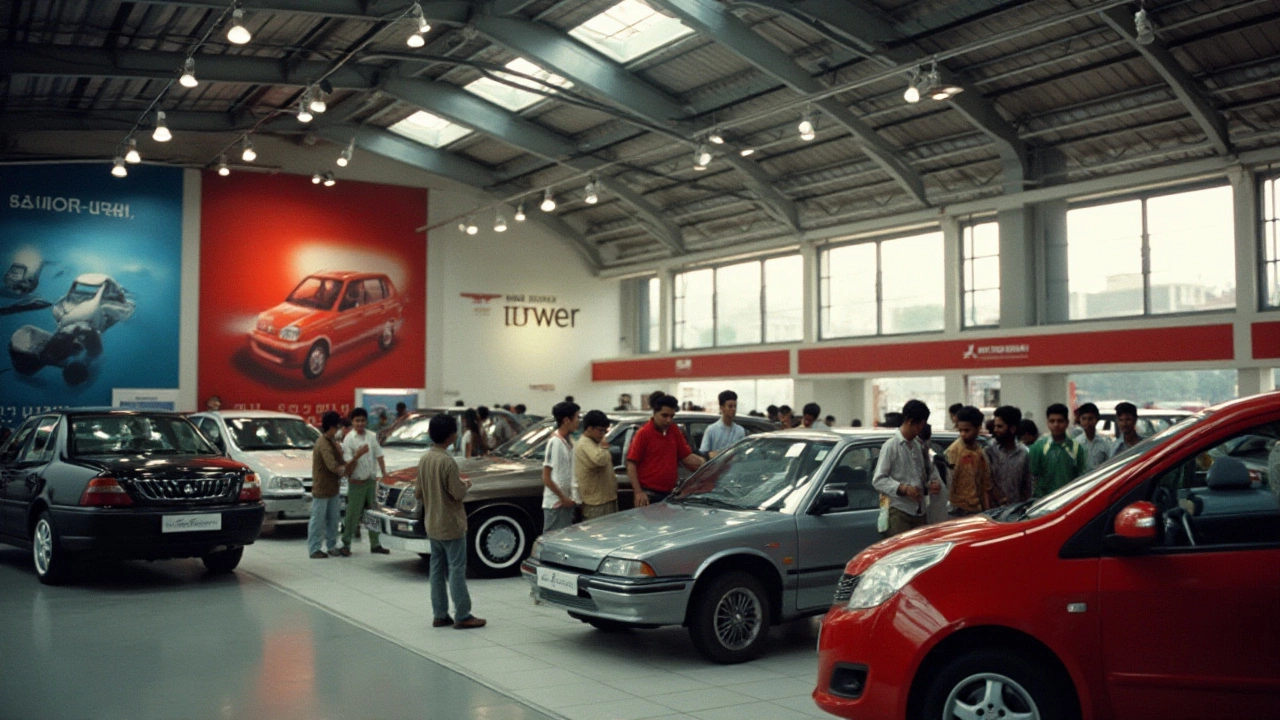
Mitsubishi's exit from India marked a significant moment in the automotive industry, raising questions about the challenges and decisions leading to this outcome. At one point, Mitsubishi was known for its technologically advanced models that appealed to Indian consumers. However, a mix of strategic missteps, changing market dynamics, and intensifying competition contributed to its withdrawal. This article delves into the complexities of Mitsubishi's operations in India, offering insights into their journey and the factors influencing their decision to cease operations.