Inch Measurement in Manufacturing: How India Uses Imperial Units in Industry
When you hear inch measurement, a unit of length equal to 2.54 centimeters, commonly used in engineering and construction. Also known as imperial units, it is still deeply embedded in India’s manufacturing workflows, even as the country officially uses the metric system. You might think India switched fully to millimeters and meters after independence, but that’s not the whole story. Many machines, tools, and blueprints in factories—from auto parts to furniture joints—still use inches. Why? Because legacy equipment, imported machinery, and global supply chains never fully let go of it.
Dimensional accuracy, the precision of physical measurements in production matters more than the unit itself. A bearing that’s 0.5 inches instead of 12.7 millimeters doesn’t change how well it fits—it’s just how the designer labeled it. In places like Tirupur’s textile mills or Mirzapur’s wood workshops, workers measure everything from spindle diameters to dowel holes in inches because that’s how the imported CNC machines were programmed. Even when a factory buys a new Indian-made lathe, the manual often lists both metric and inch settings side by side. It’s not confusion—it’s practicality.
Engineering standards, the rules that define how parts are made and tested in India are a hybrid. The Bureau of Indian Standards (BIS) pushes metric, but many industries follow ISO or ANSI specs that default to inches. For example, pipe threads, electrical conduit sizes, and even some fasteners are still defined in inches because global buyers expect them that way. If you’re exporting to the U.S. or Middle East, using inch-based specs avoids costly retooling. It’s not about resisting change—it’s about staying competitive.
What you’ll find in the posts below isn’t a debate over metric vs. inch. It’s a look at how Indian manufacturers actually work—using both systems, switching between them, and making it work without missing a beat. From the thickness of steel sheets to the diameter of drill bits, inch measurement isn’t fading. It’s adapting. And if you’re in manufacturing, knowing where and why it still matters could save you time, money, and headaches.
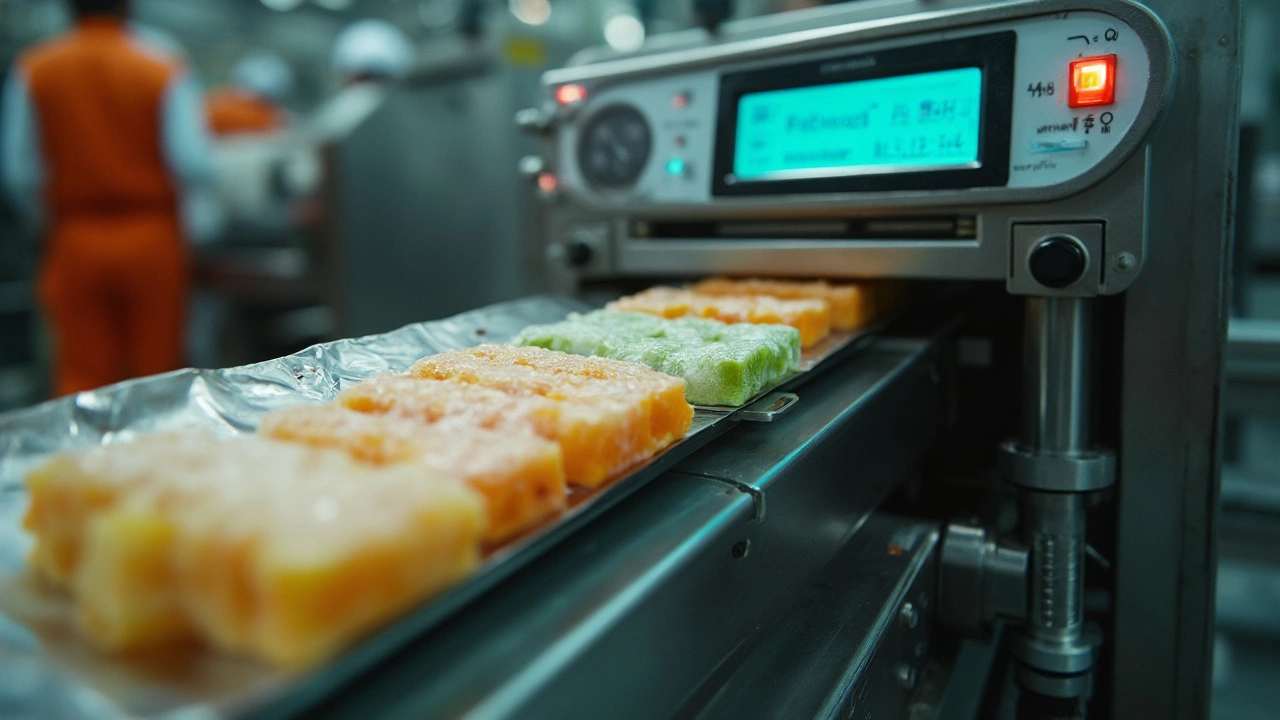
In food processing, precise measurement is crucial, and the term 'mil'—representing 0.001 of an inch—plays a vital role. This small unit is key in various aspects, from packaging thickness to machinery adjustments. Understanding how and when to use mil can boost efficiency and maintain quality standards. Explore the importance of accurate measurement and ways to apply it effectively in the food industry.