Import Restrictions in India: What They Mean for Manufacturing and Business
When we talk about import restrictions, government rules that limit or control what goods can come into a country. Also known as trade barriers, these policies are used to protect local industries, manage trade deficits, and push for self-reliance. In India, these restrictions aren’t just paperwork—they’re changing how factories operate, how brands source parts, and even what products end up on your shelves.
These rules hit hard in sectors like electronics, furniture, and textiles—areas where India is trying to build its own supply chains. For example, when the government raised customs duties on imported smartphone parts, it didn’t just make Chinese components more expensive. It pushed companies like Xiaomi and Samsung to source more from local suppliers. That’s why you now see more Indian-made circuit boards, batteries, and plastic casings in phones sold here. It’s the same story with furniture: higher taxes on imported wood and finished pieces gave a boost to local makers in Mirzapur and Tirupur, who now compete not just on price, but on craftsmanship and delivery speed.
It’s not just about blocking foreign goods—it’s about forcing change. Import restrictions are tied to Made in India, a national initiative to turn India into a global manufacturing hub. When the government limits imports of certain chemicals or machinery, it’s not just protecting jobs—it’s creating space for Indian companies to grow. Take sodium hydroxide, a key chemical used in soap, textiles, and fertilizers. When imports got tighter, local producers stepped up, and now India doesn’t just meet its own demand—it exports the surplus.
These policies also affect small businesses. A workshop in Chennai making custom metal planters used to import cheap steel sheets from China. After new import rules kicked in, they switched to domestic mills in Odisha and Maharashtra. Their costs went up a bit, but their lead times dropped, and customers started preferring locally made products. That’s the real impact: customs duties, taxes added to imported goods to make them less competitive aren’t just numbers on a ledger—they shift where money flows, who gets hired, and what gets built.
And it’s not all about protection. Sometimes, import restrictions are about quality and safety. When India limited imports of low-grade plastic toys and electronics, it wasn’t just about protecting local makers—it was about protecting kids. The same happened with textiles: stricter rules on imported dyes and fabrics forced foreign brands to meet Indian safety standards, which raised the bar for everyone.
What you’ll find in the posts below are real stories of how these rules play out on the ground. From furniture makers in Uttar Pradesh adapting to new wood tariffs, to electronics factories in Tamil Nadu switching to local suppliers, to small businesses finding new ways to survive under tighter rules—you’ll see the human side of policy. These aren’t abstract laws. They’re daily decisions that shape what gets made, where it’s made, and who benefits.
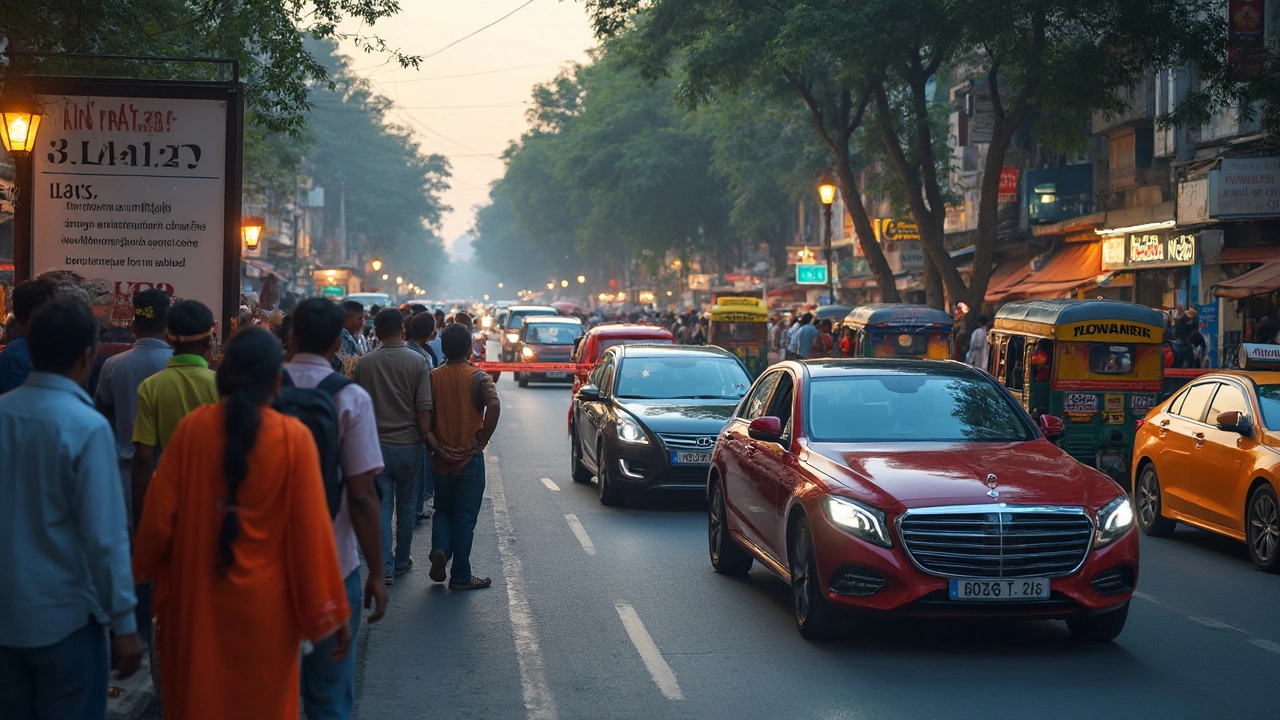
Want to know which cars are banned in India? This article dives into the types of cars not allowed on Indian roads, from old diesel guzzlers to luxury imports that break the rules. Find out the real reasons behind these bans, how strict regulatory changes have shaped the market, and the details most car buyers miss. See tips for avoiding legal disasters when shopping for a car in India. Get straight facts—no vague rules, just what you actually need to know.