High Margin Foods: What Actually Makes Money in India’s Food Industry
When people think of food businesses, they imagine cafes or grocery stores—but the real profits lie in high margin foods, food products with low production cost but high retail value, often through processing, branding, or packaging. These aren’t just fancy snacks—they’re items like spiced nuts, packaged masalas, ready-to-cook mixes, and fortified snacks that turn simple ingredients into something consumers pay 3x to 10x more for. The secret? It’s not about selling more. It’s about selling smarter.
Take food processing, the transformation of raw agricultural products into packaged goods with longer shelf life and higher perceived value. This is where the real margins live. A kilo of raw turmeric might sell for ₹200. But when it’s ground, blended with other spices, sealed in branded pouches, and marketed as "organic curry powder," it can hit ₹800 or more. The same goes for ready-to-eat chutneys, instant idli batter, or roasted peanut snacks. These aren’t luxury items—they’re everyday products with margins that beat electronics, furniture, and even pharmaceuticals in some cases.
What makes these foods so profitable? Three things: low raw material cost, minimal labor after setup, and high perceived value through branding. Unlike big factories that need heavy machinery and global supply chains, high margin foods can be made in small kitchens, local units, or home-based setups. You don’t need a billion-dollar plant. You need good recipes, consistent quality, and packaging that looks trustworthy. Brands like MDH, Everest, and even local players in Mirzapur and Tirupur have proven this works—small producers with smart labeling are outpacing big names in niche markets.
And it’s not just about spices. Think protein-rich snacks, fortified atta, gluten-free mixes, or vegan protein bars made from local ingredients like millets or jackfruit. These aren’t trends—they’re necessities in a health-conscious, time-poor market. The government’s FSSAI regulations and Make in India push have made it easier than ever to get certified and scale. You don’t need to compete with Nestlé. You just need to solve one small problem better than anyone else.
What you’ll find in the posts below are real examples of businesses making money in this space. From how a single mom in Coimbatore built a ₹50 lakh/year business selling packaged spice blends, to why a small unit in Uttar Pradesh now exports spiced nuts to the UAE, these aren’t theories. They’re operating models. You’ll see what tools they use, what margins they actually get, and what mistakes they avoided. No fluff. No hype. Just what works in India’s food manufacturing scene today.
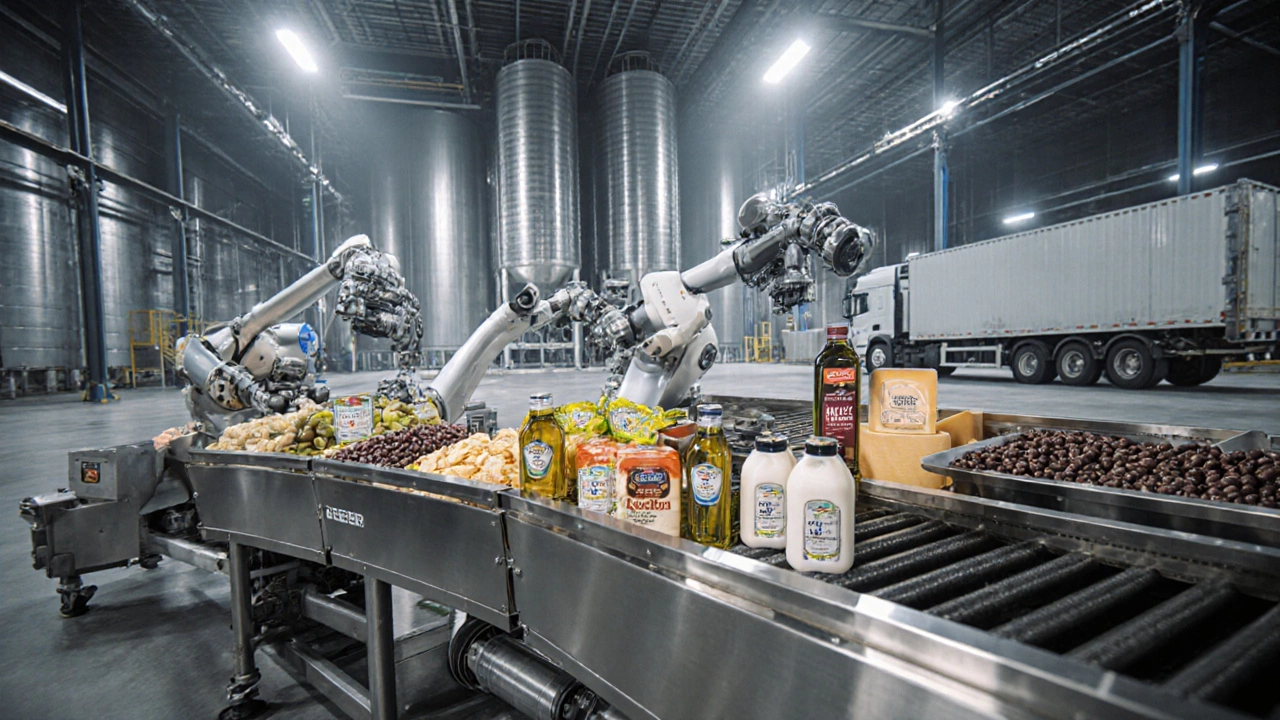
Discover which food items generate the highest profit in processing, with data on margins, revenue per tonne, and regional insights for savvy entrepreneurs.