Handloom Fabric: Traditional Weaving, Indian Craftsmanship, and Modern Demand
When you touch a piece of handloom fabric, fabric woven on manual looms without electricity, using time-honored techniques passed down through generations. Also known as handwoven fabric, it carries the rhythm of the weaver’s hands and the soul of the region it comes from. Unlike machine-made cloth, each yard of handloom fabric has subtle variations—tiny imperfections that aren’t flaws, but proof of human touch. In India, this isn’t just a craft; it’s a living heritage. States like Tamil Nadu, West Bengal, and Karnataka have entire villages where families have woven the same patterns for over 200 years.
Handloom fabric isn’t just about cotton or silk—it’s tied to the land, the climate, and the culture. In Varanasi, silk handlooms produce intricate brocades used in wedding saris. In Odisha, ikat weaving creates blurred, dreamlike patterns through a painstaking dye-before-weave process. In Assam, muga silk, grown and spun locally, shines with a natural golden luster no factory can replicate. These aren’t niche products—they’re the backbone of rural economies, supporting over 4 million weavers across India. And while global fast fashion pushes cheap, mass-produced textiles, more people are turning back to handloom for its durability, breathability, and ethical roots.
What makes handloom fabric stand out isn’t just tradition—it’s performance. Handwoven cotton is naturally cooler in summer, softer with age, and biodegradable. The dyes used are often plant-based or natural mineral pigments, unlike the toxic chemicals in industrial dyeing. This is why global brands from Japan to Sweden now source Indian handloom for their premium lines. The government supports it through schemes like the Handloom Mark, but real demand comes from people who value craftsmanship over convenience.
Below, you’ll find real stories and insights from India’s weaving heartlands—from the towns where looms still click-clack at dawn, to the designers turning handloom into modern wardrobes. You’ll learn where to find authentic pieces, why prices vary so much, and how this ancient art is surviving in a digital age.
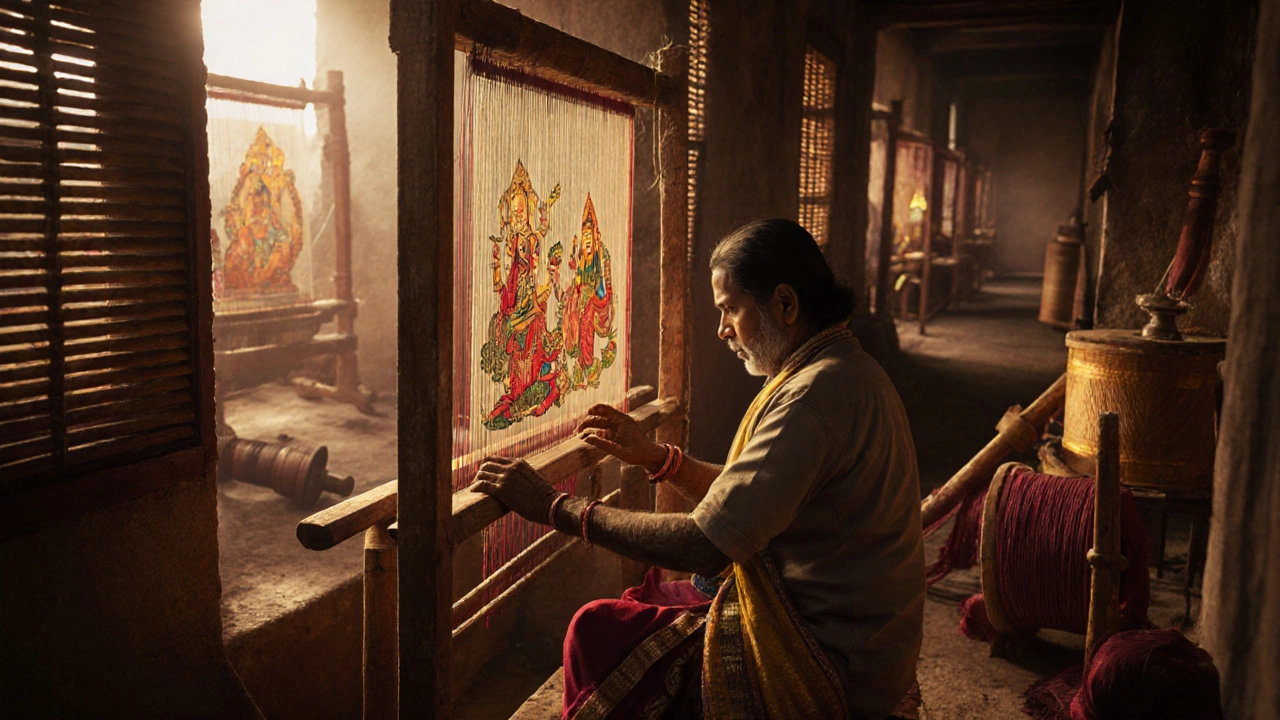
Discover which Indian states are famous for their unique fabrics-from Banarasi silk in Uttar Pradesh to Kanchipuram silk in Tamil Nadu and Bandhani in Gujarat. Learn what makes each region’s textiles special and how to spot authentic handwoven pieces.