Food Processor: How India’s Food Processing Industry Is Changing What We Eat
When you think of a food processor, a machine or system that transforms raw ingredients into packaged, ready-to-eat, or shelf-stable food products. Also known as food processing equipment, it’s not just about chopping veggies—it’s the backbone of everything from packaged snacks to ready-to-cook meals you find in Indian supermarkets. In India, this isn’t just a kitchen gadget. It’s an entire industry driving jobs, exports, and even rural incomes. From the spice powders in your cupboard to the frozen parathas in your freezer, someone used a food processor—large or small—to get it there.
The real story isn’t in the machine itself, but in what it enables. Take sodium hydroxide, a chemical used in food processing to clean, peel, and preserve ingredients like olives, almonds, and even some snacks. It’s one of the most heavily used chemicals in India, and it’s quietly in your food. Then there’s food processing profit, the margin earned when raw produce like mangoes, tomatoes, or potatoes is turned into juice, paste, or chips. Some of the highest-margin food items in India aren’t luxury goods—they’re simple things like pickles, dried fruits, and instant mixes. Why? Because they’re cheap to make, last months, and sell fast. And with government push behind the food processing sector, factories are popping up even in small towns, turning local harvests into national brands.
It’s not just about machines. It’s about scale. A single plant in Punjab can process tons of tomatoes into paste every day. A family-run unit in Tamil Nadu turns coconut into oil and flour. Both are food processors—just different sizes. And the demand? Growing fast. More people want ready-to-eat meals. More retailers need consistent supply. More exporters want clean, certified products. That’s why the industry is growing nine times faster than it did a decade ago—just like India’s electronics sector. You don’t need to run a factory to benefit. If you’re a farmer, a small vendor, or even someone thinking of starting a home-based food business, understanding how food processing works means you can tap into this wave.
Below, you’ll find real insights from Indian manufacturers, profit breakdowns for top food items, and the hidden players turning local produce into national favorites. Whether you’re curious about margins, machinery, or market trends, the posts here cut through the noise. No fluff. Just what’s actually happening on the ground in India’s food processing world.
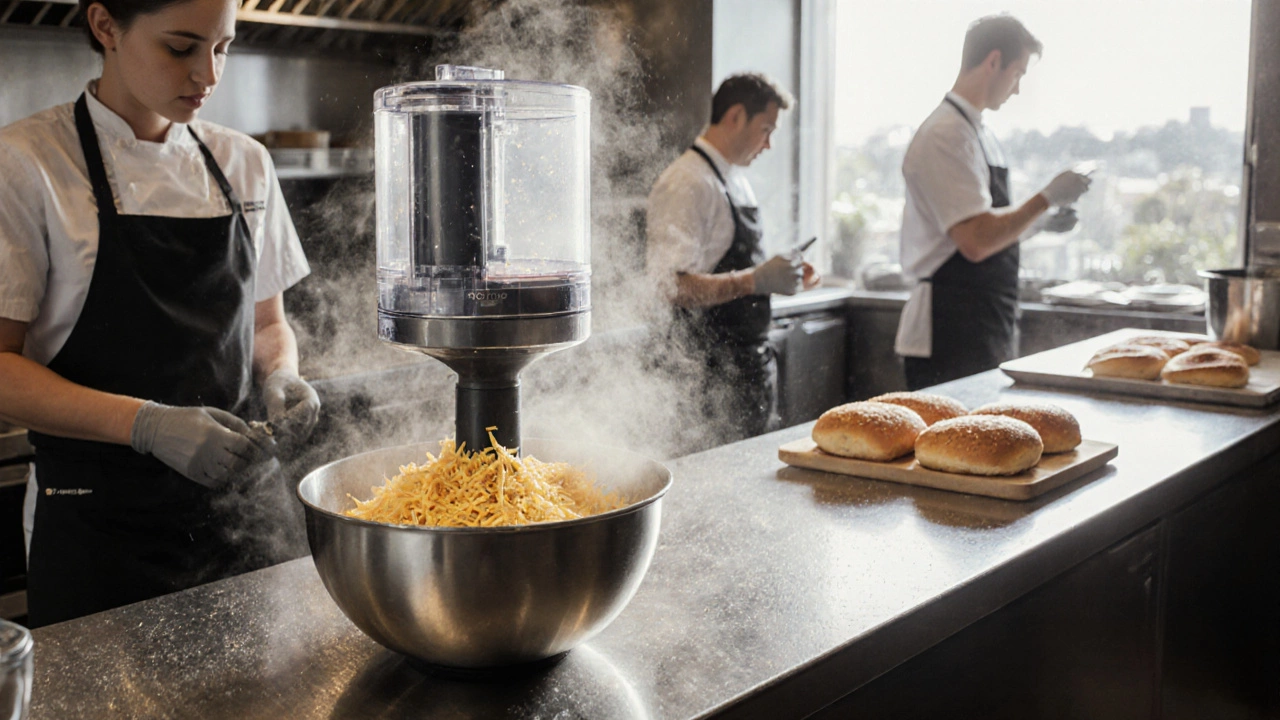
Restaurants use food processors to save time, ensure consistency, and reduce labor costs. From shredding cheese to blending sauces, commercial models are essential in high-volume kitchens-though some chefs still prefer hand-prepped ingredients.
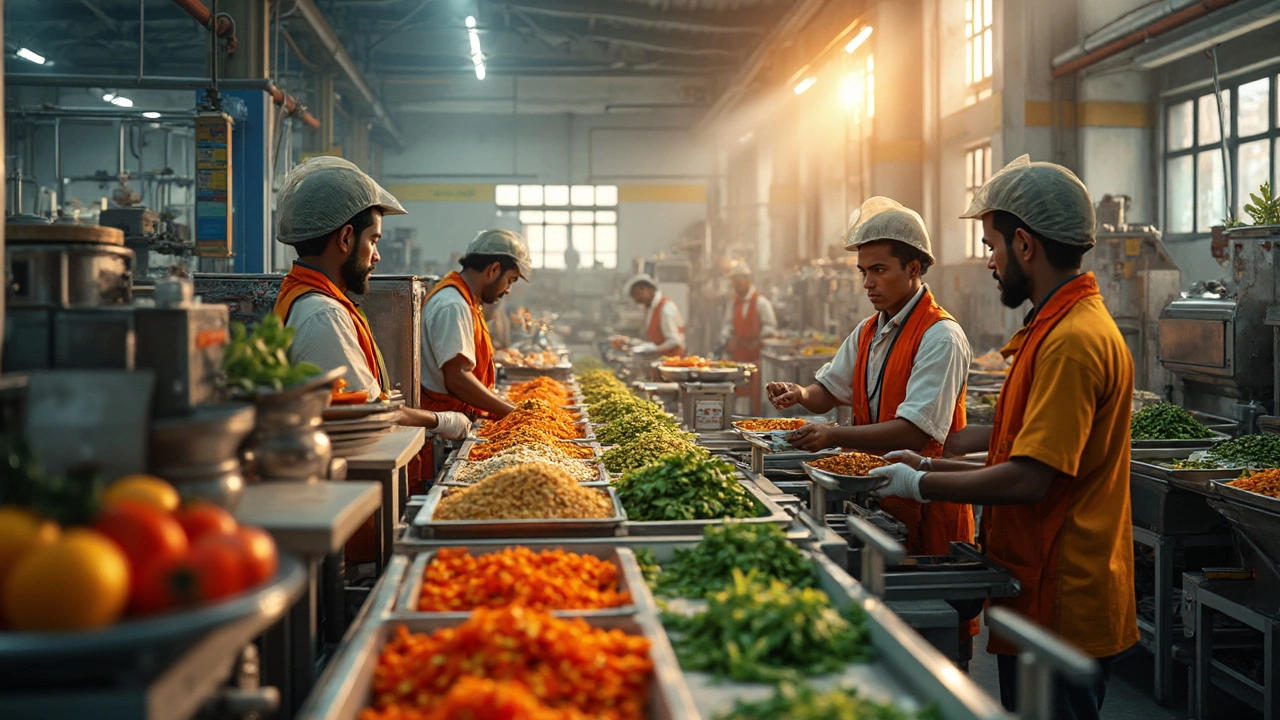
This article breaks down what a food processing unit is, the different names it goes by, and how it works. You'll find practical tips for choosing a processing unit and real examples from the food industry. Get insight into the role of these units in modern food production, plus some lesser-known facts. Whether you're curious about large-scale factories or small local plants, you'll get all the basics and more.