Food Factory: How Food Processing Works in India and Who Runs It
A food factory, a facility where raw agricultural products are transformed into packaged food items for sale. Also known as a food processing plant, it’s where milk becomes cheese, wheat turns into flour, and fruits get canned or frozen for year-round use. In India, these factories range from tiny local units making pickles and snacks to massive plants producing packaged snacks, dairy, and ready-to-eat meals for supermarkets and export. They’re not just warehouses with machines—they’re the hidden backbone of what you eat every day.
What makes a food factory in India different? It’s not just scale—it’s adaptability. Many factories use low-cost, high-efficiency equipment like food processors, commercial machines that chop, blend, shred, or mix ingredients at high volume, to cut labor costs and keep consistency. You’ll find them in every state: in Tamil Nadu turning coconuts into oil, in Uttar Pradesh processing mangoes into pulp, and in Punjab turning wheat into atta. These aren’t just factories—they’re local economies. A single plant can employ hundreds, source from thousands of farmers, and ship products across the country.
The real power of a food factory lies in what it saves: time, waste, and spoilage. Without these facilities, most of India’s fruits and vegetables would rot before reaching cities. Today, government incentives under Make in India and FSSAI standards are pushing factories to upgrade—better hygiene, smarter packaging, and less energy use. Some even use solar power or recycle water. But not all are equal. The best ones combine traditional methods—like slow-cooking spices or hand-picking ingredients—with modern tech to keep flavor and safety intact.
Behind every snack, juice, or ready-to-eat meal is a chain: farm → transporter → food factory → distributor → store. And India’s food factory sector is growing fast—driven by urbanization, changing diets, and demand for convenience. Whether it’s a small unit making papad in Rajasthan or a multinational producing biscuits in Maharashtra, each plays a role in feeding the nation. What you’ll find in the posts below are real examples of how these factories operate, what makes them profitable, which machines they rely on, and which food items bring the highest returns. No theory. Just what’s actually happening on the ground.
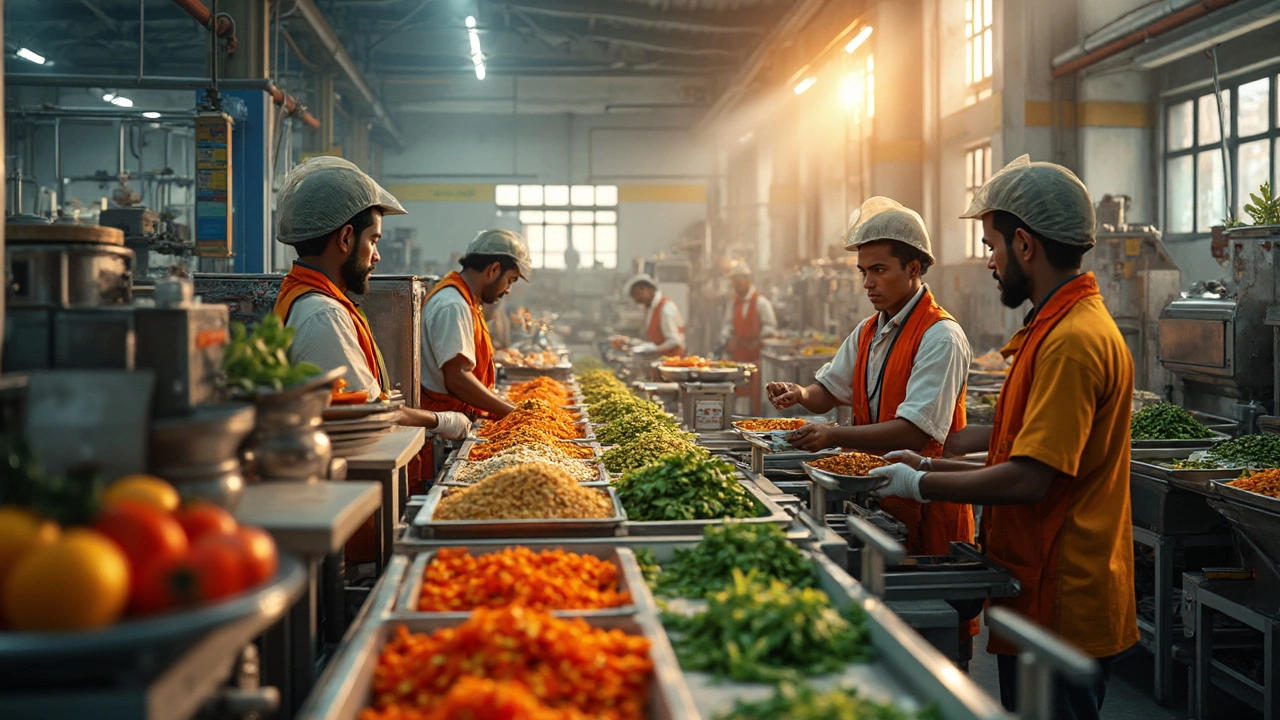
This article breaks down what a food processing unit is, the different names it goes by, and how it works. You'll find practical tips for choosing a processing unit and real examples from the food industry. Get insight into the role of these units in modern food production, plus some lesser-known facts. Whether you're curious about large-scale factories or small local plants, you'll get all the basics and more.