Fiat Exit: What Happened and How It Changed Indian Manufacturing
When Fiat, an Italian automotive manufacturer that once invested heavily in India’s passenger car market pulled out of India in 2018, it wasn’t just another brand shutting down. It was a signal. A clear sign that even big foreign names couldn’t make the numbers work in a market that demanded low cost, high volume, and local adaptation. Fiat’s exit left behind a trail of unanswered questions: Why did they fail? Who filled the gap? And what does it mean for other foreign manufacturers thinking about India?
What most people miss is that Fiat didn’t just sell cars—they built a manufacturing plant in Ranjangaon, Maharashtra, with a local supplier network that included dozens of small and medium-sized Indian firms. When Fiat left, those suppliers didn’t just lose a client—they lost a steady stream of orders, technical support, and quality standards they’d built around. Some shifted to other automakers like Tata or Maruti. Others shut down. This ripple effect is what makes the Fiat exit, a case study in how foreign automaker withdrawals impact local manufacturing ecosystems so important. It’s not about the brand. It’s about the ecosystem.
India’s auto sector is full of examples where foreign players came in with big promises and left with small footprints. Suzuki stayed because they listened. Hyundai stayed because they built local supply chains. But Fiat kept trying to sell European designs in a market that wanted simple, affordable, and easy-to-repair cars. They didn’t adapt fast enough. Meanwhile, Indian companies like Tata Motors and Mahindra were already building cars with local parts, local labor, and local needs in mind. The automotive industry in India, a sector now dominated by homegrown brands with deep supply chain control learned from Fiat’s mistake. They didn’t just make cars—they built resilience.
If you’re watching manufacturing in India, the Fiat exit isn’t a footnote. It’s a lesson. It shows that success here isn’t about global brand power. It’s about local execution. It’s about who understands the cost structure, the repair habits, the fuel prices, and the buyer behavior on the ground. The companies that survived—and thrived—after Fiat left didn’t just sell cars. They built systems that could bend without breaking.
Below, you’ll find real stories from India’s manufacturing landscape—how brands compete, how suppliers adapt, and why some global names succeed while others vanish. These aren’t theories. These are the facts that shaped today’s industry.
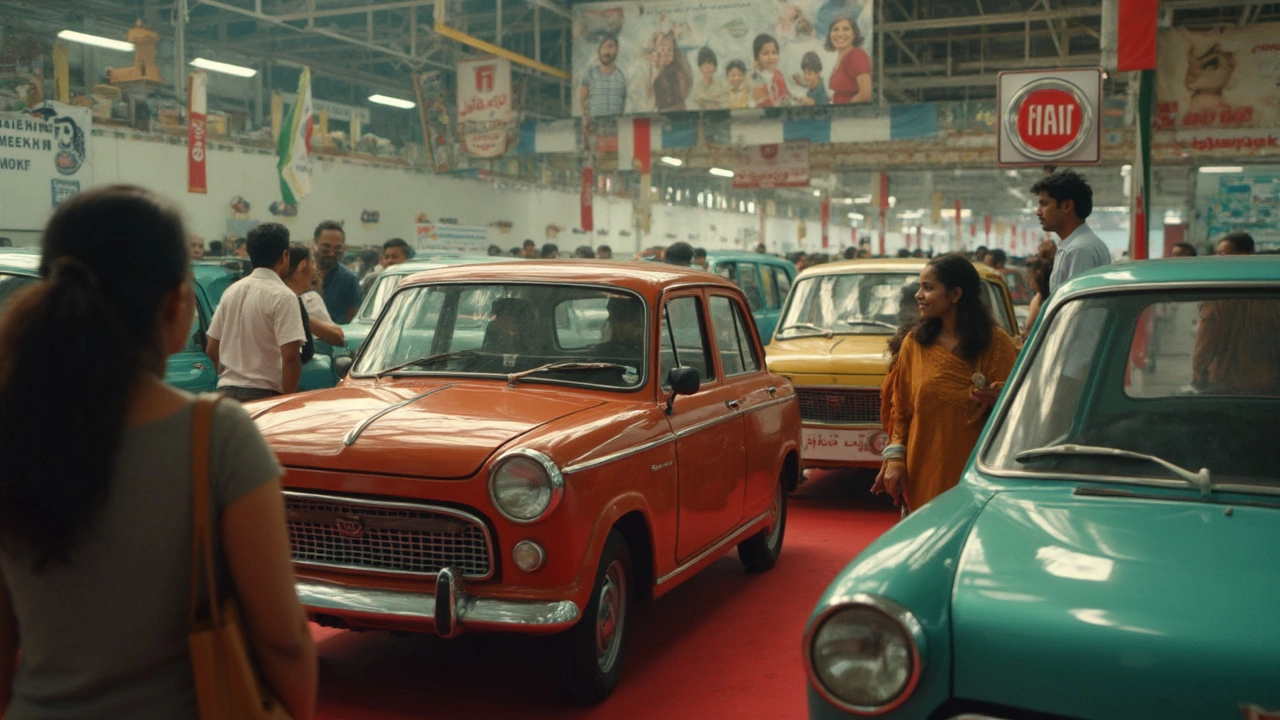
Fiat was once a familiar name in Indian car showrooms, known for cars like the Punto and Linea. But in 2019, the Italian car giant packed up and left India, leaving many people wondering what went wrong. This article digs into why Fiat struggled and what actually pushed them to exit. You'll get to know the major roadblocks Fiat faced, what it means for Fiat owners, and how their departure changed the Indian car scene.