Factory: What It Is, How It Works, and Why Indian Factories Are Changing Global Manufacturing
When you think of a factory, a place where goods are made using machines, labor, and organized systems. Also known as a manufacturing plant, it’s the backbone of every economy—from tiny workshops making hand-carved wood furniture in Mirzapur to massive plants producing smartphones in Tamil Nadu. A factory isn’t just a building with machines. It’s a system: raw materials come in, processes happen in sequence, and finished products roll out. In India, factories are getting smarter, faster, and more efficient—not because of foreign investment alone, but because local entrepreneurs are fixing old problems with simple, smart solutions.
What makes an Indian factory different? For one, small scale manufacturing, businesses that operate with limited capital but high flexibility. Also known as local production units, these are the hidden engines behind India’s growth. Think of a workshop in Gujarat making custom metal planters, or a family-run unit in Uttar Pradesh turning sheesham wood into furniture sold across the country. These aren’t giant plants with thousands of workers—they’re lean, focused, and often run by people who know every bolt and seam. Then there’s the factory worker, the person who operates, monitors, or maintains production equipment. Also known as shop floor operator, they’re no longer just manual laborers. Many now use digital tools, track output on tablets, and follow 7S systems to cut waste and improve safety. The factory of today isn’t dusty and loud—it’s data-driven and disciplined.
India’s factories don’t just make things—they solve real problems. Why does sodium hydroxide show up in so many factories? Because it’s used to make soap, clean textiles, and process food. Why are companies like BEML dominating Asia’s earth-moving equipment market? Because they build machines that last in India’s rough conditions, and they service them locally. Why are Indian textiles winning global contracts? Because factories in Tamil Nadu and Surat combine centuries-old weaving skills with modern quality control. Factories here aren’t copying global models—they’re adapting them. They use less power, recycle scraps, and train workers faster than ever before. And they’re proving you don’t need billions to build something that matters.
What you’ll find below are real stories from inside these spaces: how a single factory in Mirzapur outperforms global brands in wooden furniture, how a small electronics plant in Karnataka hit $40 million in exports, and why the 7S method is turning messy workshops into precision machines. These aren’t theoretical guides. They’re snapshots of what’s happening right now—in villages, towns, and industrial parks across India. If you want to understand where manufacturing is really heading, start here.
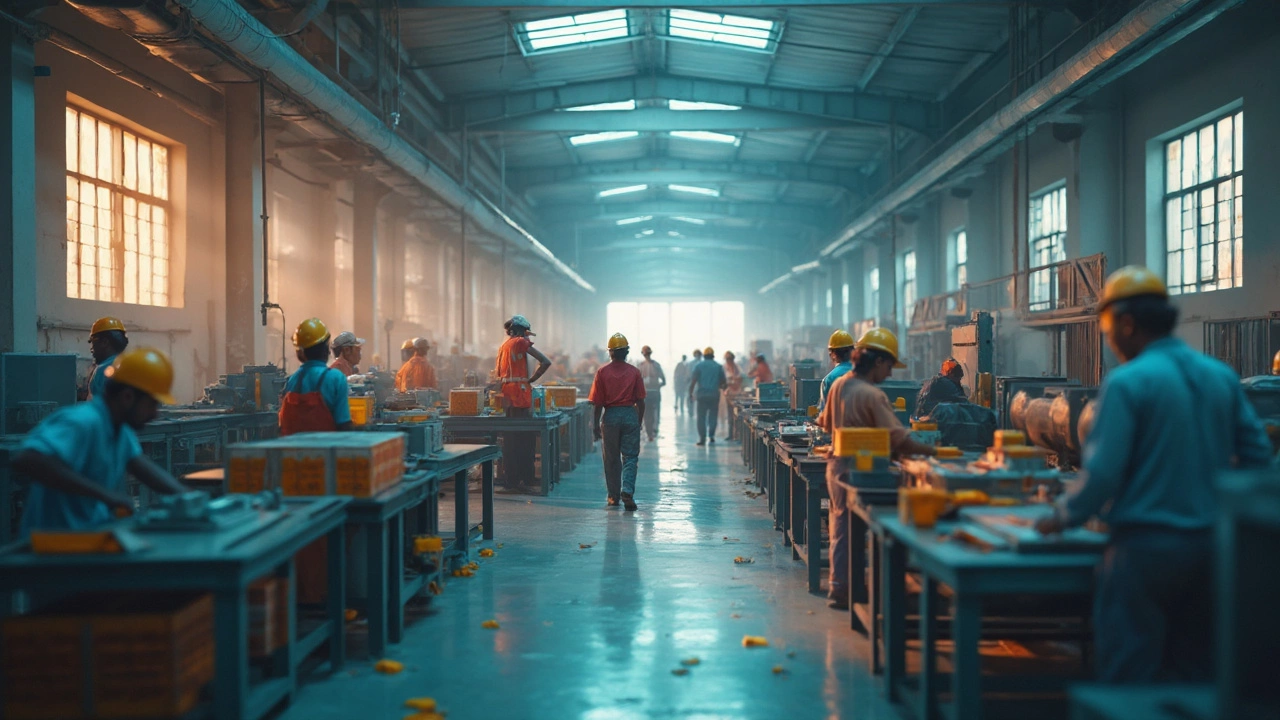
Wondering which factory is best to start? This article breaks down popular and profitable factory ideas, walks you through trending sectors, and reveals what it really takes to get a manufacturing business off the ground. Read on for unique insights, real-world tips, and honest talk about the risks and rewards of factory start-ups. If you want to know which products are hot right now—and which ideas survive tough times—you're in the right place. No fluff, all facts.