Early Plastics: How the First Synthetic Materials Changed Manufacturing
When we talk about early plastics, the first synthetic materials developed in the late 1800s and early 1900s that replaced natural substances like ivory, horn, and shell. Also known as first-generation polymers, they were the foundation of modern mass production. Before these materials, factories relied on wood, metal, or animal products that were expensive, inconsistent, or hard to shape. Early plastics changed that by being cheap, moldable, and durable enough to replace them entirely.
The real game-changer was Bakelite, the first fully synthetic plastic, invented by Leo Baekeland in 1907. Unlike earlier versions like celluloid, a flammable material made from nitrocellulose and camphor, used in combs and film reels, Bakelite didn’t melt under heat. It could be pressed into radio casings, telephones, gears, and even jewelry. Factories across the U.S. and Europe rushed to adopt it because it cut costs and sped up production. In India, where manufacturing was still catching up, these materials became symbols of modernization—used in everything from electrical insulators to household items.
Early plastics didn’t just change what things were made of—they changed how they were made. Molding and stamping replaced carving and casting. One machine could produce thousands of identical parts. This shift laid the groundwork for today’s assembly lines and consumer goods culture. Even now, when you see a plastic switchboard, a vintage radio, or a cheap toy, you’re looking at the legacy of these first plastics. They were crude by today’s standards, but they unlocked something bigger: the idea that materials could be designed, not just discovered.
What you’ll find in the posts below are real stories about how manufacturing evolved—from the first plastic factories to how India’s own production chains began to adapt. Some posts dive into small-scale makers using recycled plastics today. Others compare global leaders in material innovation. You’ll see how the same principles that made Bakelite a hit still apply in modern factories, just with better chemistry and less waste. This isn’t just history. It’s the blueprint for what comes next.
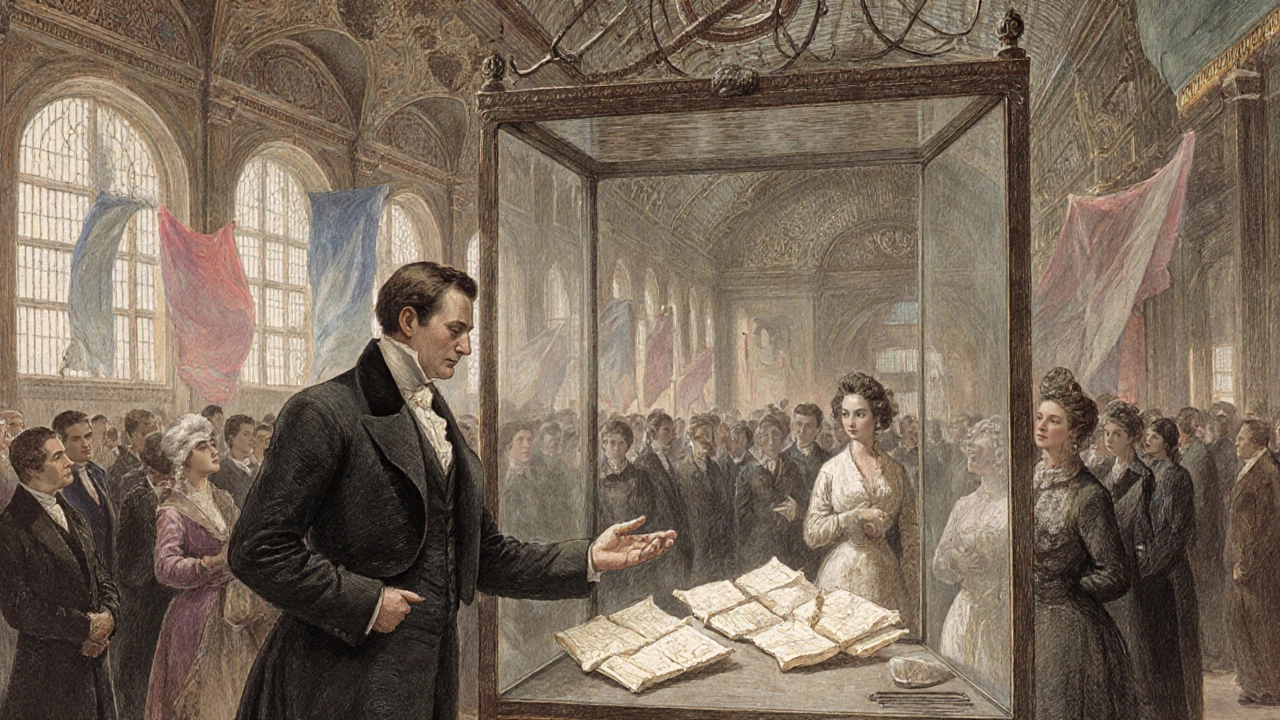
Discover the inventors behind the first plastics-Parkes, Hyatt, Baekeland-and how their breakthroughs created the modern plastic industry.