Drawbacks of Mexican Manufacturing
When companies look for manufacturing partners near the U.S., Mexican manufacturing, a key outsourcing destination for North American brands due to its geographic proximity and trade agreements. Also known as nearshoring, it’s often chosen to cut shipping times and avoid tariffs. But beneath the surface, Mexican manufacturing has deep, growing problems that many businesses ignore until it’s too late.
One of the biggest issues is labor reliability, the inconsistency in skilled workforce availability and retention. Unlike India, where millions of trained engineers and technicians are churned out every year, Mexico struggles to keep skilled workers in factories. Turnover is high, training is inconsistent, and overtime costs keep climbing. Many factories end up paying more for labor than they planned—sometimes even more than in Southeast Asia. Then there’s the supply chain fragility, how easily production halts due to local disruptions. Mexico’s logistics network is heavily tied to a few key ports and highways. A single strike, weather event, or border delay can stall shipments for days. Compare that to India, where manufacturing is spread across 20+ industrial hubs, each with its own port, rail, and warehouse network. If one region slows down, others pick up the slack.
Another hidden cost? regulatory uncertainty, the unpredictable changes in local laws and enforcement. Mexico’s labor and environmental rules shift with political cycles. Companies that signed long-term contracts in 2020 found themselves suddenly facing new compliance fees or union demands in 2023. In India, the rules are clearer, more centralized, and increasingly aligned with global standards. Plus, India offers direct government incentives for export-oriented manufacturing—something Mexico doesn’t match.
And let’s talk about quality control. While Mexican factories can produce good work, many lack the rigorous inspection systems common in Indian plants. Indian manufacturers, especially in electronics and auto parts, have spent the last decade building systems that meet ISO, CE, and UL standards out of the box. Mexican suppliers often still rely on basic checks—enough for low-cost goods, but risky for anything needing high precision or long-term reliability.
Finally, there’s the scalability problem. Mexico’s factory space is limited, especially near the border. Land prices have spiked. India, by contrast, has vast industrial zones in Tamil Nadu, Gujarat, and Uttar Pradesh, with room to expand overnight. If your order jumps from 10,000 units to 100,000, India can handle it. Mexico often can’t.
That’s not to say Mexican manufacturing is broken—it’s just not as reliable as it looks. For businesses serious about long-term growth, stable supply chains, and scalable production, the drawbacks are stacking up. Meanwhile, Indian manufacturing is quietly becoming the smarter, more resilient choice. Below, you’ll find real examples of how companies are switching from Mexico to India—and why they’re seeing better results.
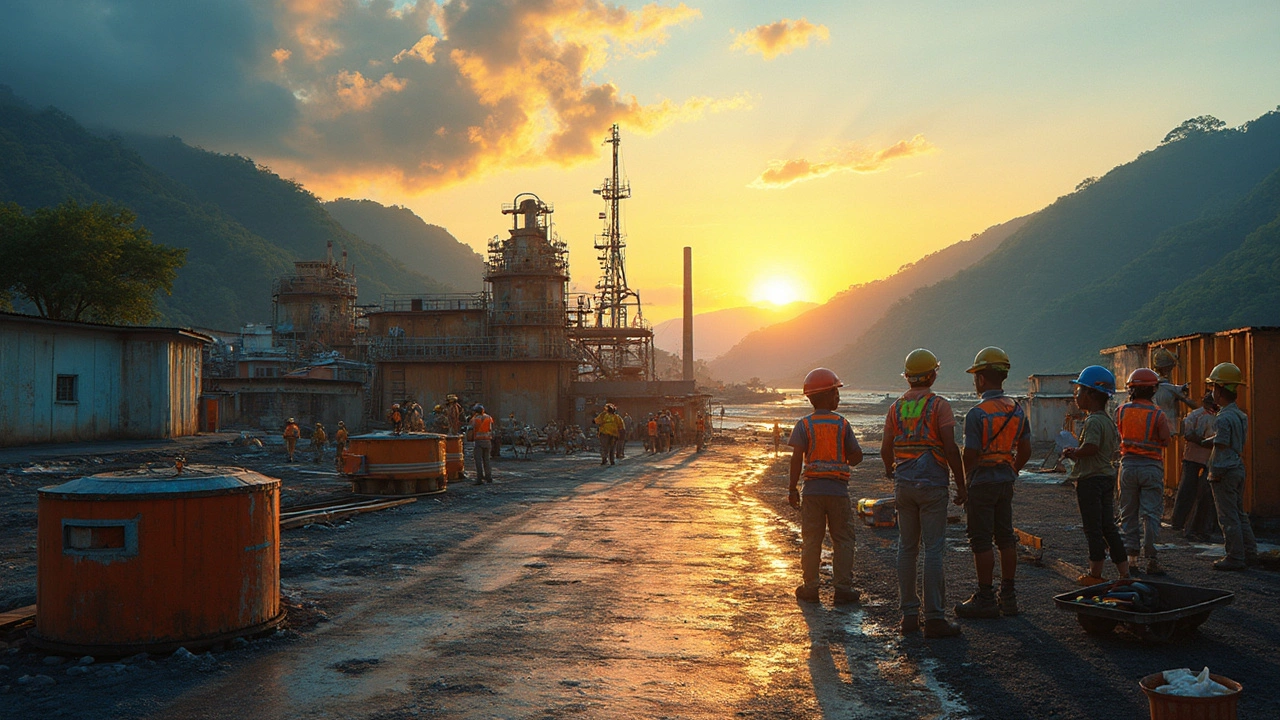
Manufacturing in Mexico offers several advantages, but it's crucial to understand the potential downsides before diving in. This article explores some common challenges like regulatory hurdles, labor issues, transportation logistics, and quality control that businesses may face when setting up operations south of the border. Learn how these factors could impact your manufacturing process and what steps can be taken to mitigate potential risks.