Code 5 Plastic: What It Is, Where It's Used, and Why It Matters in Indian Manufacturing
When you see the number 5 inside a triangle on a food container, yogurt tub, or medicine bottle, you’re looking at Code 5 plastic, a type of polypropylene known for its heat resistance and safety in food contact applications. Also known as PP plastic, it’s one of the most widely used plastics in India’s packaging, automotive, and medical industries. Unlike other plastics that warp under heat or leach chemicals, Code 5 holds up to boiling water and doesn’t break down easily—making it ideal for microwave-safe containers, baby bottles, and even reusable water bottles used in factories across Tamil Nadu and Gujarat.
Code 5 plastic doesn’t just sit on shelves—it’s part of the supply chain behind everyday products. You’ll find it in the caps of mineral water bottles made by Indian brands like Bisleri and Aquafina, inside the dashboards of Maruti Suzuki cars, and in the syringes used at local clinics. It’s also a favorite among small-scale manufacturers in Ludhiana and Coimbatore who produce kitchenware, storage bins, and lab equipment because it’s cheap, lightweight, and easy to mold. Unlike Code 1 (PET) or Code 2 (HDPE), Code 5 is rarely single-use; its durability lets it be reused and recycled multiple times, which is why cities like Pune and Bengaluru are starting to collect it separately in their recycling programs.
The rise of Code 5 plastic in India ties directly to the country’s push for safer packaging under the Make in India initiative and growing demand from FMCG companies. Factories producing ready-to-eat meals, dairy products, and pharmaceuticals need materials that won’t react with their contents. Code 5 delivers that—without the cost or complexity of glass or metal. It’s also lighter than alternatives, which cuts fuel costs for transport, a big deal when shipping goods from Surat to Srinagar. And while many people still think all plastics are bad, Code 5 is one of the few that actually works well in a circular economy—if collected properly.
What you won’t find in most articles is how Code 5 connects to real Indian businesses. From small plastic molding units in Kanpur to large-scale recyclers in Chennai, this material is quietly powering local economies. It’s the reason why some of the most successful small-scale manufacturing startups in India focus on reusable food containers instead of single-use packaging. And with new government guidelines pushing for better plastic waste management, Code 5 is becoming a priority—not just for environmental reasons, but for economic ones too.
Below, you’ll find real examples of how Code 5 plastic is used across Indian industries, what alternatives exist, and why some manufacturers are switching to it while others are phasing it out. Whether you’re running a small workshop, managing a supply chain, or just trying to recycle right, these posts give you the facts—not the fluff.
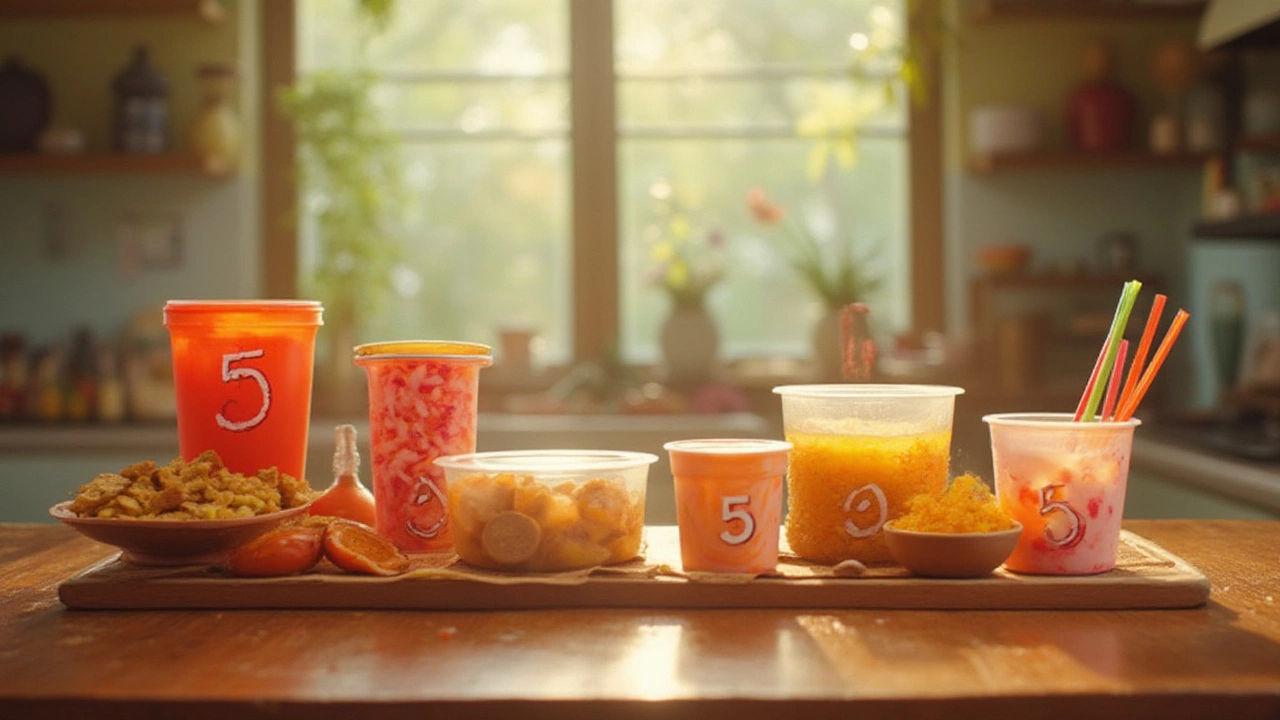
Ever noticed the #5 on plastics? Code 5 plastic, or polypropylene, is everywhere—in yogurt cups, straws, and even auto parts. Learn where it’s used, whether it's safe, and how to recycle it.