Coca-Cola in India: Manufacturing, Supply Chains, and Local Impact
When you think of Coca-Cola, a globally recognized carbonated soft drink brand owned by The Coca-Cola Company, known for its syrup-based production and licensed bottling network. Also known as Coke, it’s one of the most visible consumer goods in India, sold in over 1,000 towns and cities with more than 70 bottling plants across the country. But behind every bottle is a complex web of water sourcing, local partnerships, and manufacturing rules shaped by India’s unique regulatory and environmental landscape.
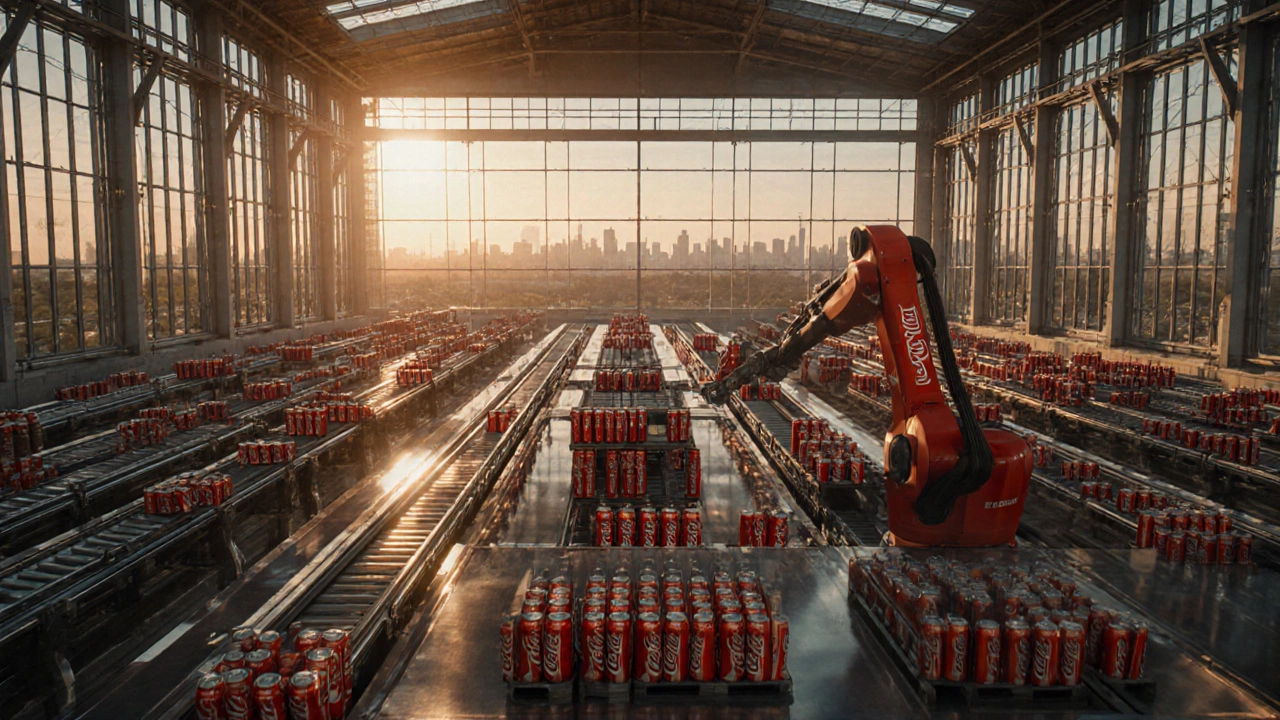
Coca-Cola doesn’t just sell drinks—it relies on local bottling partners, independent companies licensed to produce, package, and distribute Coca-Cola products under strict quality controls. These partners handle everything from syrup delivery to plastic bottle molding and cold chain logistics. In states like Uttar Pradesh and Tamil Nadu, these plants are major employers and key nodes in the regional food and beverage manufacturing, a sector that includes soft drinks, packaged water, juices, and energy drinks, all subject to India’s FSSAI standards and state-level water usage laws. The company’s success here isn’t just about branding—it’s about adapting to local supply chains, navigating water scarcity debates, and competing with homegrown brands like Thums Up and Sprite India variants.
What’s often overlooked is how Coca-Cola’s operations intersect with India’s broader manufacturing trends. The same factories that fill 500ml bottles also produce packaging for other beverages, using the same injection-molded PET lines seen in electronics and pharmaceutical packaging. Its reliance on local suppliers for caps, labels, and cardboard cartons ties it directly to India’s small-scale manufacturing ecosystem. And while global headlines focus on water controversies, the real story is in how it’s had to redesign its operations—cutting water use by 30% since 2005, investing in rainwater harvesting at plants, and partnering with farmers for sugarcane sourcing. This isn’t just corporate responsibility—it’s survival in a market where public trust is as critical as shelf space.
What you’ll find in the posts below are real examples of how global brands like Coca-Cola operate within India’s manufacturing framework—how they source materials, manage local partnerships, and respond to regulatory pressure. You’ll see connections to other industries: from plastic production to cold chain logistics, from rural distribution networks to food processing standards. This isn’t just about soda. It’s about how global brands adapt, survive, and sometimes thrive in one of the world’s most complex consumer markets.
Explore why Coca‑Cola is the most sold product on Earth, compare other top sellers, and learn startup lessons from its dominance.