China Electronics Industry: How It Shapes Global Manufacturing and What India Is Doing About It
When you buy a smartphone, laptop, or TV, there’s a high chance it came from the China electronics industry, the world’s largest and most integrated hub for electronics manufacturing, producing over 70% of the world’s consumer electronics. Also known as global electronics production hub, it’s not just about factories—it’s about the entire ecosystem of components, logistics, and skilled labor working together at scale. This isn’t just about cheap labor anymore. It’s about precision, speed, and control over every part of the supply chain—from rare earth minerals to finished circuit boards.
The semiconductor manufacturing, the backbone of modern electronics, including chips for phones, cars, and AI systems is where China has poured billions over the past decade. While the U.S. and Europe focus on design, China owns the production. Factories in Shenzhen, Dongguan, and Suzhou churn out millions of units daily, often faster and cheaper than anywhere else. This dominance affects everything: prices, delivery times, and even national security policies. Countries are now scrambling to reduce reliance on China, but replacing its scale is nearly impossible overnight.
That’s where the India electronics industry, a rapidly growing force producing $180 billion worth of electronics in 2024, from smartphones to TVs and components comes in. India isn’t trying to copy China—it’s building something different. With government incentives, local supply chains, and a focus on assembly and export, India is becoming the alternative. Companies like Foxconn, Samsung, and Apple are shifting parts of their production here. It’s not just about making devices—it’s about creating jobs, building local tech skills, and reducing import dependence.
The global electronics supply chain, the complex network of suppliers, factories, and transport routes that move parts from mines to your home is changing. Tariffs, trade wars, and pandemic disruptions forced companies to rethink where they make things. China still leads, but it’s no longer the only option. You’ll see this in the posts below: how Indian factories are scaling up, what makes Chinese electronics so cheap, and why some brands are moving production halfway across the world.
What you’ll find here aren’t just headlines. These are real stories from the factory floor—the cost of setting up a phone assembly line in Tamil Nadu, why Indian firms are starting to make their own chips, how Chinese steel prices affect electronics manufacturing, and what happens when a major brand pulls out of China. If you’re in manufacturing, investing, or just curious about how your gadgets get made, this collection gives you the unfiltered truth behind the numbers.
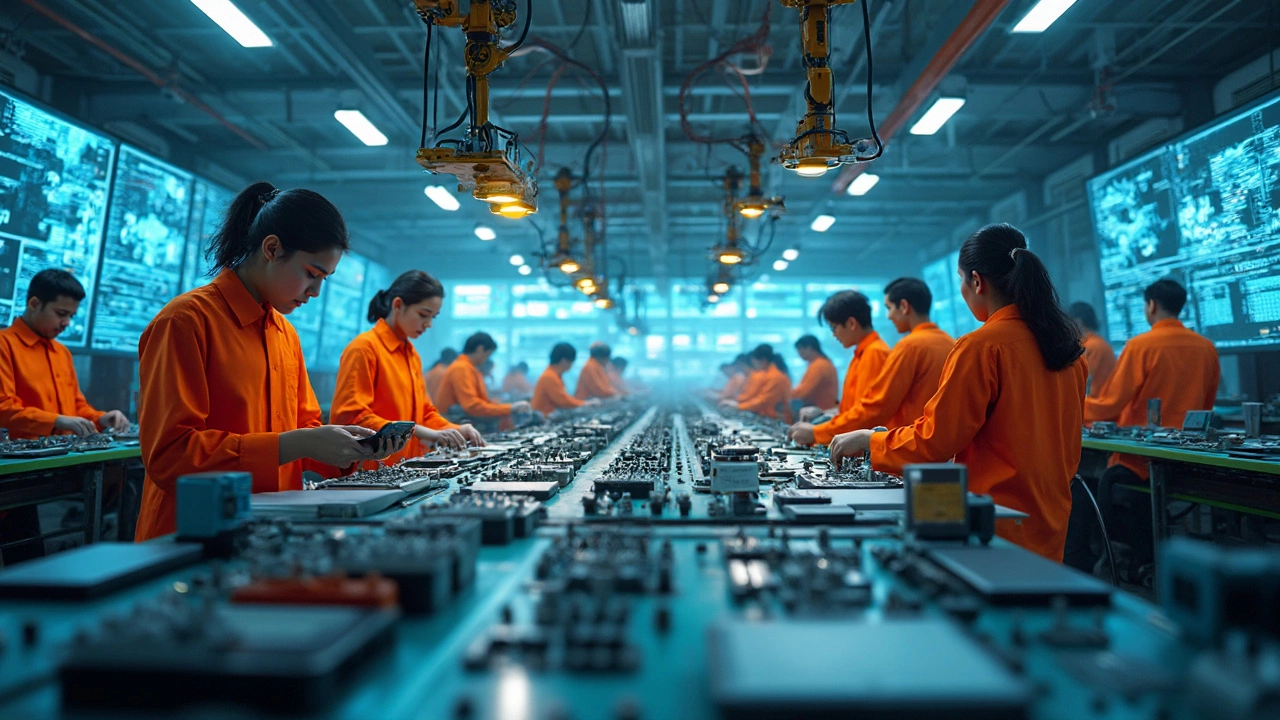
Curious about where your phone or laptop really comes from? Dive into the world of electronics production and see why China stands unrivaled as the largest producer on the planet. This article sheds light on how China achieved its electronics superpower status, what that means for consumers, and unusual facts about the global electronics market.