China Manufacturing: Costs, Competition, and What It Means for India
When we talk about China manufacturing, the world’s largest and most aggressive manufacturing system, built on scale, state support, and low labor costs. Also known as Made in China, it’s the backbone of everything from smartphones to steel that ends up in homes and factories across the globe. It’s not just about price—it’s about control. China controls the supply of rare earth metals, dominates electronics assembly, and produces more steel than the rest of the world combined. This isn’t luck. It’s policy. Government subsidies, relaxed environmental rules, and state-owned factories let Chinese producers sell at prices that make it nearly impossible for smaller nations to compete on cost alone.
Take Chinese steel, a key material that powers construction, cars, and machinery worldwide. Steel from China costs nearly 30% less than steel from the U.S. or Europe—not because it’s better, but because energy is cheaper, pollution controls are weaker, and factories run 24/7 under state backing. This isn’t a market advantage. It’s a systemic one. And it’s forcing Indian manufacturers to rethink their strategy. Instead of trying to match China on price, smart Indian companies are betting on quality, customization, and speed. Think of it like this: China makes 10,000 identical phone cases. India makes 500 perfect ones, tailored to local needs, delivered faster, and backed by real service.
India’s answer isn’t to copy China. It’s to outmaneuver it. While China focuses on volume, India is building niche strength—like in textiles, where we lead in craftsmanship, or in earth-moving equipment, where BEML dominates Asia with locally built machines. The electronics industry in India, growing ninefold since 2014 and now producing $180 billion annually. Indian electronics manufacturing isn’t just about assembly. It’s about building supply chains that don’t rely on imports. When you see a smartphone made in Tamil Nadu or a TV assembled in Andhra Pradesh, that’s not just a product. It’s a shift.
What you’ll find in these posts isn’t just data. It’s the real stories behind the numbers: why Chinese steel is cheap, how IKEA chose India over other markets, and how local brands are beating global giants with better service and local materials. These aren’t abstract trends. They’re decisions being made every day in factories, warehouses, and small workshops across India. If you’re in manufacturing—or thinking about starting something—you need to understand how China shapes the game. Not to fear it, but to play better.
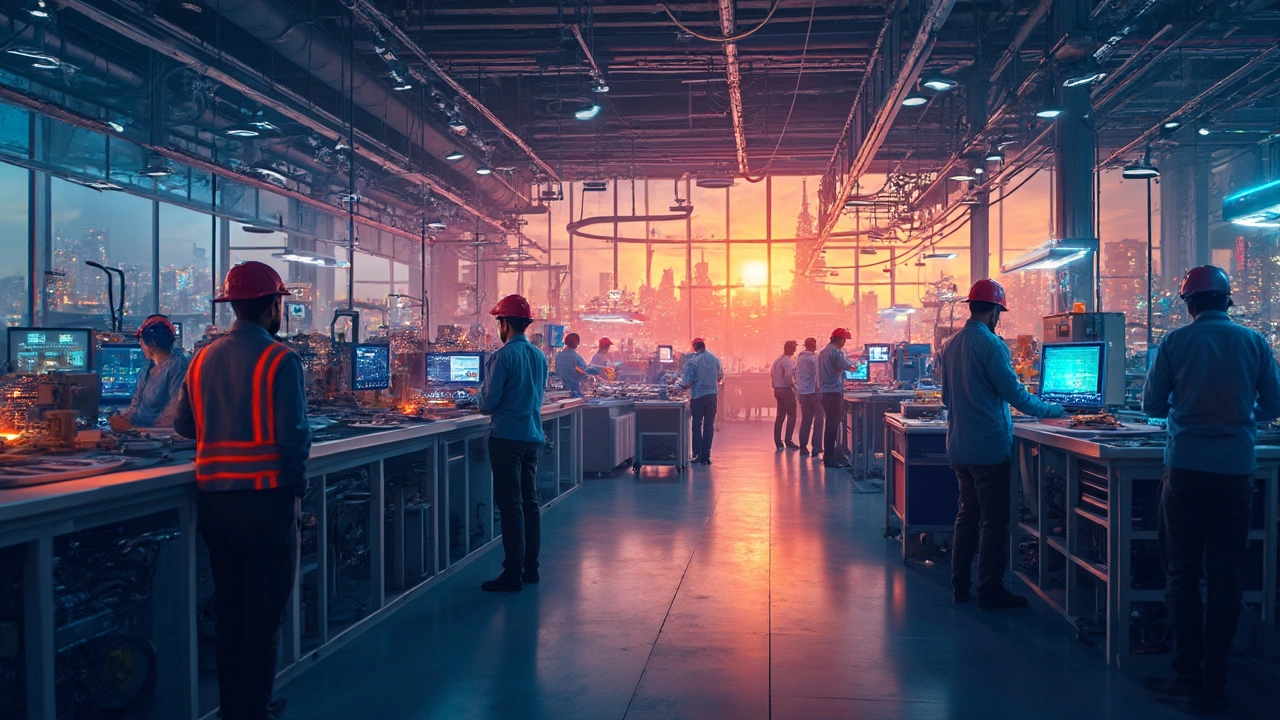
Who sits at the top of the global manufacturing pile? This article looks at which country and which companies are truly leading the world in 2025, explaining exactly how they got there. You'll find practical info on what makes a manufacturing giant, the tech they're using, and tips on spotting up-and-coming players. You'll get concrete numbers, quirky facts, and real-world insights for anyone keeping an eye on global industry trends. No fluff, just straight talk.