Chemical Exports from India: Key Products, Markets, and Manufacturers
When we talk about chemical exports, the sale of industrial and specialty chemicals produced in India to international buyers. Also known as chemical shipments, they form a critical part of India’s manufacturing economy, supporting industries from textiles to agriculture and pharmaceuticals. India doesn’t just make chemicals—it ships them in huge volumes to over 180 countries. From the sodium hydroxide used in soap factories in Germany to the dyes that color jeans in Bangladesh, Indian chemical producers are quietly powering global supply chains.
The real story behind these exports isn’t just volume—it’s specificity. Sodium hydroxide, a highly reactive chemical used in soap, paper, and textile processing, is one of India’s top exported compounds. It’s cheap to produce here thanks to abundant salt and coal, and factories in Gujarat and Tamil Nadu churn out tons daily. Then there’s textile chemicals, dyes, bleaches, and finishing agents used in fabric processing. India’s textile hubs in Tirupur and Surat don’t just weave cloth—they treat it with precision chemicals that meet European and American safety standards. That’s why brands like H&M and Zara source their dyed fabrics here, not from China or Turkey.
It’s not just big players. Hundreds of small chemical manufacturers in Maharashtra and Punjab export niche products—specialty catalysts for pharma, organic acids for food processing, and even industrial solvents for electronics cleaning. These businesses thrive because they focus on quality, consistency, and fast turnaround. Unlike generic chemical suppliers, they tailor batches to exact client specs, something global buyers value more than low prices alone.
What’s driving this growth? Government incentives under the Production Linked Incentive (PLI) scheme, better logistics at ports like Mundra and Chennai, and stricter environmental rules in China that pushed buyers to look elsewhere. India’s chemical sector grew 12% last year, and exports hit $32 billion—up from just $8 billion in 2014. The biggest buyers? The U.S., UAE, Germany, Bangladesh, and Vietnam. Each has different needs: the U.S. wants high-purity pharma intermediates, the UAE buys fertilizers, and Vietnam needs dyes for its booming garment industry.
What you’ll find in the posts below are real examples of how Indian chemical companies compete, what products they export most, and which states are turning into export powerhouses. No fluff. Just facts from the factory floor.
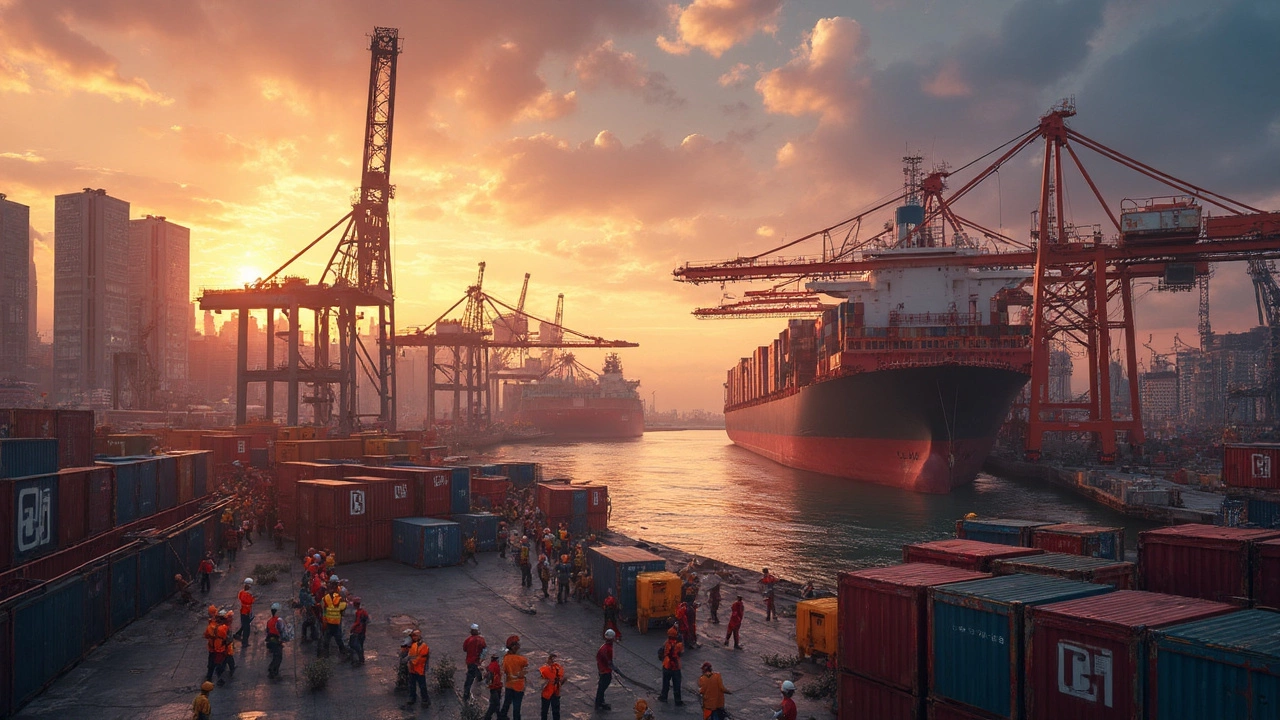
Curious about the global chemical industry? This article dives into which country is actually number one, how India compares, and why things keep changing. You’ll get real numbers about production, what drives the market, and how big players shape the world’s supply. Find out how India fits into the scene and pick up some useful info on the future of chemical manufacturing.