Cars Made in Africa: Who Builds Them and Why It Matters
When you think of cars made in Africa, you might picture imported models from Europe or Asia—but that’s changing fast. cars made in Africa, vehicles assembled or manufactured on the African continent using local labor, parts, or design. Also known as African-assembled vehicles, they’re no longer just knock-offs or CKD kits—they’re becoming symbols of industrial ambition. Countries like South Africa, Nigeria, Kenya, and Egypt are now home to full-scale auto assembly lines, some even designing their own models for African roads and budgets.
The African automotive industry, a network of manufacturers, suppliers, and policy makers focused on building vehicles locally is driven by two things: need and policy. With over 1.3 billion people and rising urbanization, demand for affordable, durable transport is huge. Governments are pushing vehicle manufacturing Africa, the process of producing cars within African nations to reduce imports and create jobs through tax breaks, local content rules, and special economic zones. South Africa has been the leader for decades, producing models for BMW, Toyota, and Volkswagen. But now, Nigeria’s Innoson Vehicle Manufacturing is building SUVs and pickups under its own brand. Kenya’s Mobius Motors designs rugged, low-cost vehicles built for rough terrain. Egypt’s Ghabbour Group assembles Hyundai and Renault locally. These aren’t just assembly plants—they’re factories with engineering teams, supply chains, and even R&D units.
It’s not just about making cars. It’s about building skills. Every African-made car requires welders, electricians, logistics planners, and quality inspectors—people who then train others. This creates a ripple effect: better roads, more repair shops, stronger parts suppliers. The car assembly plants Africa, facilities where imported components are put together into finished vehicles on the continent are becoming training grounds for a new generation of African engineers. And unlike in the past, these aren’t just copying foreign designs—they’re adapting them. Think higher ground clearance for unpaved roads, simpler air filters for dusty climates, and interiors built to handle extreme heat.
There are still challenges—imported parts are expensive, financing is hard to get, and global brands still dominate the market. But the shift is real. When you see a car made in Africa, it’s not just transportation. It’s proof that manufacturing isn’t just something that happens elsewhere. It’s happening here, now, and it’s changing how people move, work, and think about what’s possible.
Below, you’ll find real stories and data on who’s building what, where, and how these efforts are shaping the future of African industry.
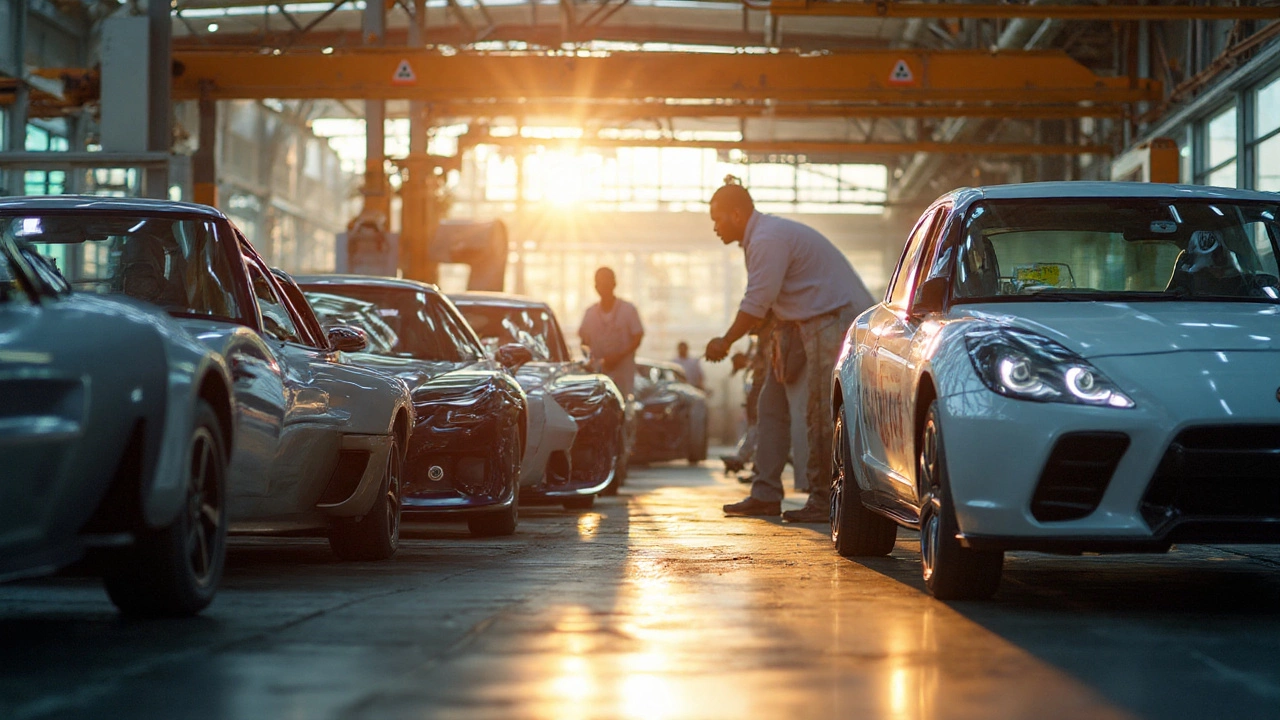
Discover which cars are actually manufactured in Africa. Explore African car brands, local assembly plants, and the unique stories driving the continent’s auto industry.