Business in India: Manufacturing, Profit, and Small-Scale Opportunities
When you think of business in India, a dynamic mix of small workshops, medium factories, and global supply chain players driving the nation’s economy. Also known as Indian industry, it’s not just about big names—it’s about local makers, family-run units, and startups turning raw materials into products sold worldwide. This isn’t theoretical. It’s happening in Mirzapur’s woodshops, Tirupur’s textile mills, and BEML’s heavy machinery plants.
small scale manufacturing, businesses that operate with limited capital but high agility, often using local labor and materials. Also known as local manufacturing, it’s the backbone of India’s industrial growth. From handmade soaps in Kerala to custom metal planters in Punjab, these businesses thrive because they’re lean, responsive, and deeply connected to their markets. They don’t need billion-dollar factories—they need smart processes, reliable suppliers, and a clear understanding of what customers actually want. That’s why profitable manufacturing, businesses that deliver high margins without massive overhead. Also known as high margin manufacturing, often centers on things like medical devices, recycled plastics, or processed foods—products where control over inputs and distribution means better profits.
What makes business in India different isn’t just cost—it’s context. The same sodium hydroxide that makes soap in a village lab also powers textile dyeing in Tamil Nadu. The same wooden furniture carved in Uttar Pradesh ends up in homes across Europe. Companies like IKEA came here not just for cheap labor, but for skilled craftsmanship, growing middle-class demand, and government support under Make in India. Meanwhile, local giants like BEML and Pepperfry beat global players by understanding what Indian customers need: durability, customization, and trust.
You won’t find success by copying someone else’s model. You’ll find it by asking: What’s broken in my local market? What can I make better, faster, or cheaper? The posts below show real examples—from pharmacy owners beating big chains with OTC products, to fabric makers in Gujarat exporting handwoven textiles that outlast imported ones. These aren’t success stories. They’re roadmaps.
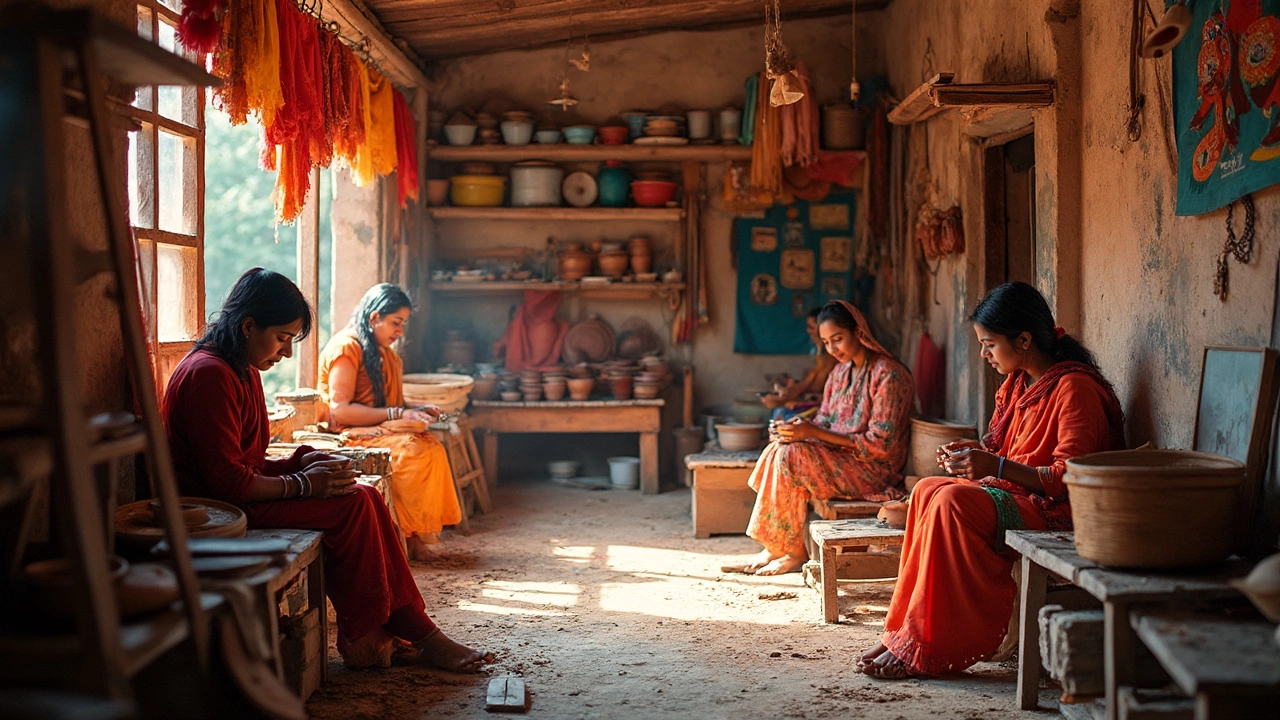
Clear guide on what counts as small scale production. Explore its meaning, real-life examples, and smart tips to do it right and profitably.

Thinking of starting a manufacturing business but not sure if it's worth it? This article gets real about where the money actually is, which areas have growth, and why some founders thrive while others struggle. You'll get facts, numbers, and honest talk—no hype. Plus, learn how to spot trends that can turbocharge profits, and find tips for dodging rookie mistakes. Perfect if you want solid advice before taking the plunge.