Bakelite: The First Plastic and Its Role in Indian Manufacturing
When you think of plastic, you probably picture water bottles or phone cases. But long before those, there was Bakelite, the world’s first fully synthetic plastic, invented in 1907 by Leo Baekeland. Also known as phenolic resin, it didn’t just replace wood or metal—it redefined what everyday objects could be made from. Unlike natural materials that decay or warp, Bakelite was heat-resistant, didn’t conduct electricity, and could be molded into almost any shape. That made it perfect for early radios, telephones, switches, and even buttons. In India, where manufacturing was scaling up in the mid-20th century, Bakelite became a quiet hero in electrical and household goods production.
It wasn’t just about being cheap—it was about being reliable. Factories across Tamil Nadu, Maharashtra, and Uttar Pradesh started using Bakelite to make insulators for power lines, switchboards, and appliance handles. Why? Because it didn’t crack under heat, didn’t absorb moisture, and didn’t need polishing like wood. Even today, you’ll find it inside old ceiling fans, circuit breakers, and vintage radios still working in homes and small workshops. While modern plastics like ABS and PVC have taken over most uses, Bakelite still holds its ground in niche applications where durability matters more than cost.
What’s interesting is how Bakelite’s story connects to India’s broader manufacturing journey. It was one of the first materials that let local engineers design products without relying on imported parts. That spirit—making do, improving, adapting—is what drives India’s small-scale manufacturing today. You’ll find it in the same workshops that now produce custom plastic parts, LED housings, or even 3D-printed prototypes. Bakelite taught a generation that material choice isn’t just about function—it’s about independence.
Below, you’ll find real posts that dig into how materials like Bakelite shaped Indian industry, what replaced it, and how today’s manufacturers are still learning from those early lessons. Whether you’re curious about the history of plastics, the rise of local manufacturing, or what makes certain materials stick around decades later, these articles have the details you won’t find in textbooks.
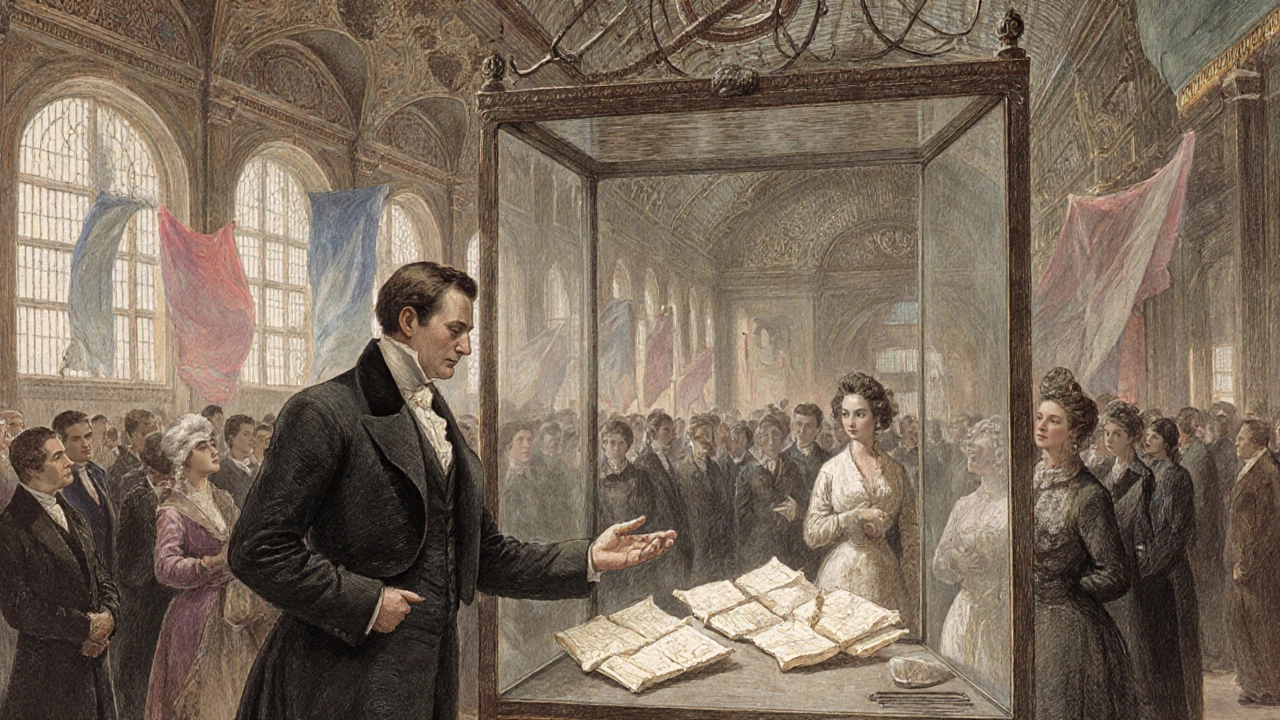
Discover the inventors behind the first plastics-Parkes, Hyatt, Baekeland-and how their breakthroughs created the modern plastic industry.