American Steel: What Makes It Different, Where It’s Made, and How It Compares
When people talk about American steel, steel produced in the United States under strict environmental, labor, and quality regulations. Also known as domestic steel, it’s the backbone of infrastructure, defense, and heavy machinery across the country. Unlike imported grades, American steel doesn’t cut corners on safety or consistency. It’s what goes into bridges in Texas, transmission towers in Ohio, and the frames of cars made in Michigan. But it’s not cheap—and that’s by design.
The difference isn’t just in the metal. It’s in how it’s made. American mills rely on electric arc furnaces and recycled scrap, while many global producers still use coal-powered blast furnaces. That’s why Pennsylvania, Indiana, and Alabama lead in output—they’ve got the old plants, the skilled workers, and the supply chains built over decades. The US steel industry, a network of over 100 mills producing more than 80 million tons annually doesn’t just make steel—it supports 1.5 million jobs. And while Chinese steel floods global markets with lower prices, American steel wins on reliability. When you’re building a hospital or a dam, you don’t gamble on material quality.
What you won’t find in most headlines is how much American steel is already in your home. The rebar in your apartment’s concrete, the frames of your appliances, even the screws holding your cabinet together—chances are, they’re made in the U.S. The steel pricing, a volatile mix of tariffs, scrap costs, and energy prices changes weekly, but demand stays steady. Automakers like Ford and GM still prefer American steel for critical parts because it meets ASTM and SAE standards that foreign mills often skip. Even the military insists on it.
So why does American steel still matter? Because when you need something that won’t rust under pressure, won’t crack in freezing temps, and won’t fail after five years—you choose the material that’s been tested, tracked, and trusted. The posts below dig into the real numbers: which state produces the most, how much it costs compared to imports, and why some manufacturers are switching back to U.S. mills despite the higher price. You’ll also see how government policies, supply chain shifts, and local innovation are reshaping the future of American steel—no hype, just facts.
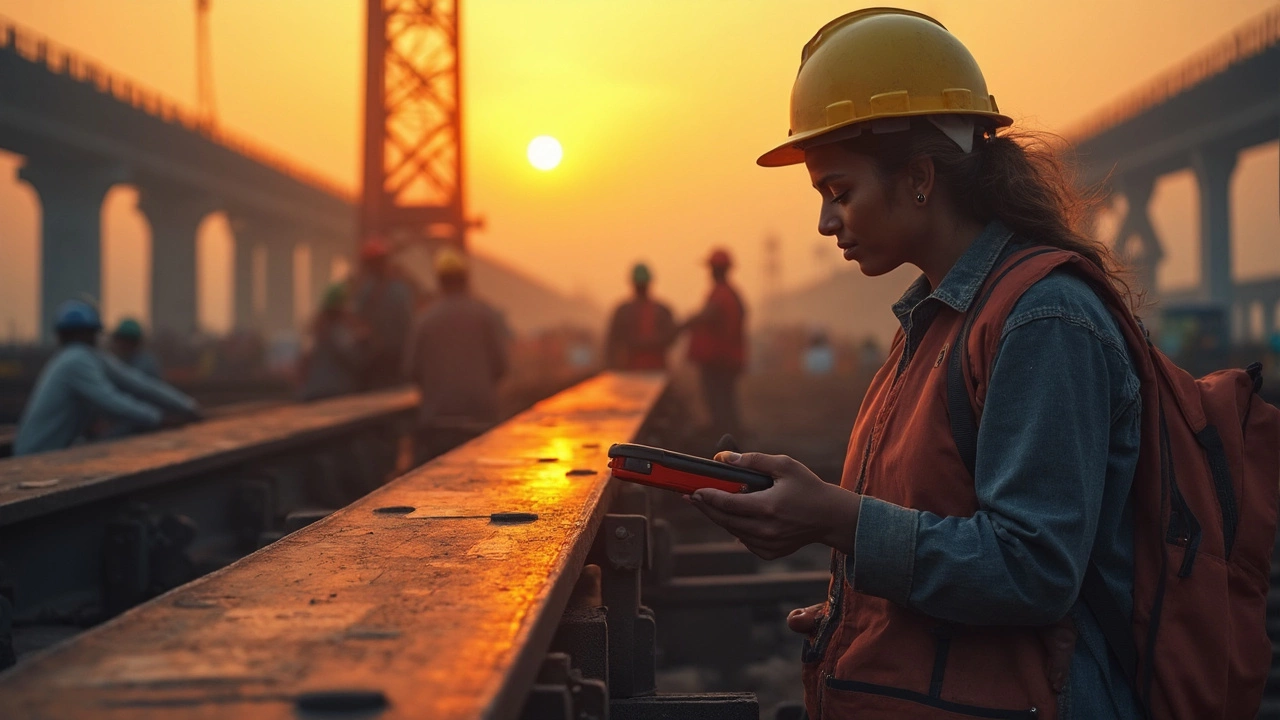
Steel sits at the heart of almost everything, from bridges to home appliances, so knowing if American steel is truly stronger than Chinese steel isn’t just a debate—it's about safety, trust, and cost. This article digs into the reality behind the reputation of both countries’ steel, what actually goes into the strength of steel, and how quality standards affect each batch. You'll find practical tips on how to check steel quality for yourself and get a peek behind the scenes at what matters most in the steel manufacturing process. No jargon, just straight talk you can use.