
Manufacturing Profitability Analyzer
Compare top manufacturing sectors and estimate potential returns based on initial capital investment.
Investment Calculator
Analysis Summary
Enter your investment details to see sector comparisons
Profitability in manufacturing isn't just about how much revenue you generate; it's about how efficiently you convert raw materials into cash. In the United States, the landscape has shifted dramatically over the last five years. While traditional heavy industries like steel and textiles still play a role, the real money is moving toward specialized, high-value sectors. If you are looking to start a business or invest in this space, understanding which specific niches offer the highest margins is critical.
The most profitable manufacturing businesses in the USA right now are concentrated in pharmaceuticals, semiconductors, and aerospace. These sectors benefit from high barriers to entry, strong intellectual property protections, and government incentives. However, there are also opportunities for smaller players in niche areas like custom plastics and food processing. Let’s break down exactly where the profits are coming from and why.
The Heavy Hitters: Pharmaceuticals and Biotechnology
When we talk about pure profit margins, nothing beats pharmaceuticals. This sector consistently reports some of the highest operating margins in the entire industrial economy. Why? Because once the research and development hurdle is cleared, the cost of producing an additional pill is negligible compared to its selling price.
Pharmaceutical Manufacturing is the process of creating medicines and drugs through chemical synthesis or biological processes. It involves strict regulatory compliance with the FDA and requires significant capital investment in R&D facilities.
In 2025 and early 2026, companies specializing in biologics and generic drug production have seen robust growth. The aging population in the US drives consistent demand. For a new entrant, competing directly with giants like Pfizer or Merck is impossible. Instead, the opportunity lies in contract manufacturing organizations (CMOs) that produce ingredients or final products for smaller biotech firms. These CMOs often enjoy margins between 15% and 25%, which is exceptional for manufacturing.
The key here is regulatory expertise. Navigating Good Manufacturing Practices (GMP) is costly but creates a moat around your business. Once you are certified, clients stick with you because switching manufacturers is risky and expensive for them.
Semiconductors and Electronics: The Chip Boom
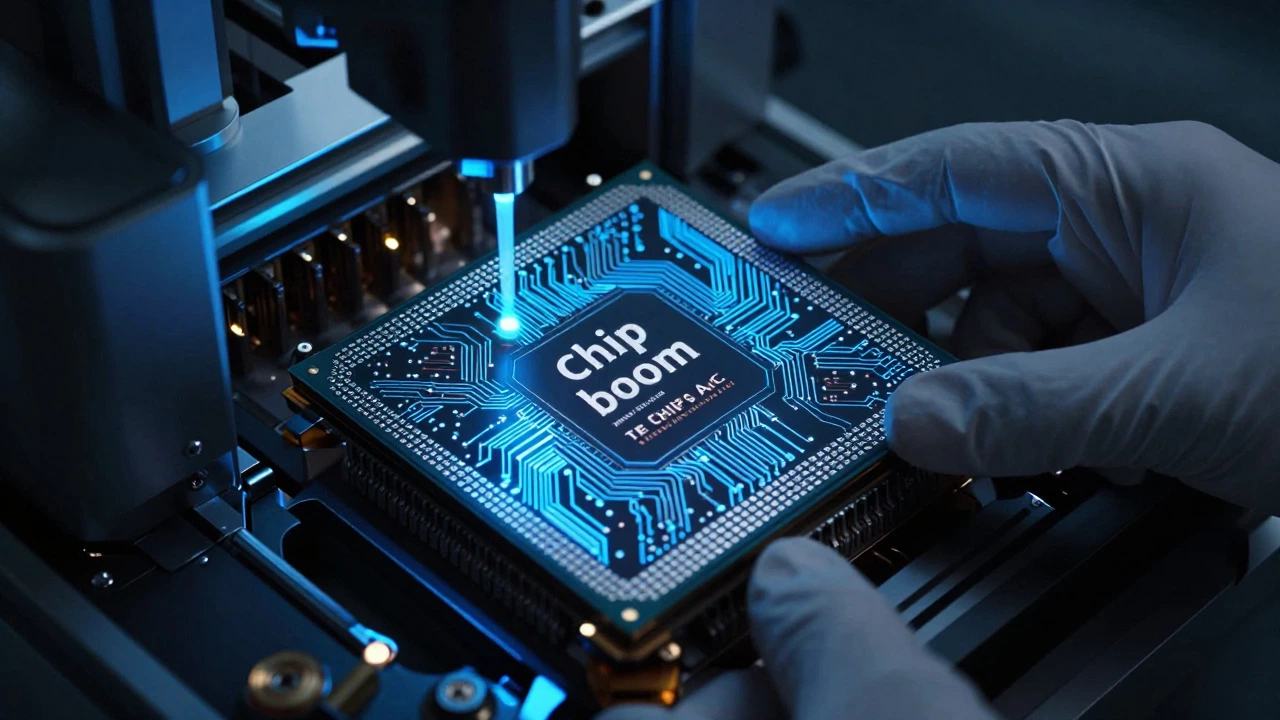
If you watched the news over the last few years, you know about the chip shortage. That shortage led to the CHIPS and Science Act, which poured billions into domestic semiconductor manufacturing. This government support has made electronics manufacturing one of the most attractive sectors for investors and entrepreneurs alike.
Semiconductor Manufacturing is the production of integrated circuits and microchips used in everything from smartphones to electric vehicles. It requires advanced lithography equipment and cleanroom environments.
While building a full-scale fab costs tens of billions, there is massive opportunity in the supply chain. Companies that manufacture printed circuit boards (PCBs), electronic enclosures, or specialized connectors are seeing increased demand. Electric vehicles (EVs) require far more electronics than traditional cars, driving up orders for these components.
Margins in general electronics assembly can be thin, often hovering around 5-8%. However, specialized electronics for medical devices or aerospace applications can command margins of 20% or more. The trick is specialization. Don’t try to make cheap consumer gadgets. Focus on high-reliability components where failure is not an option.
Aerospace and Defense: Stability and High Value
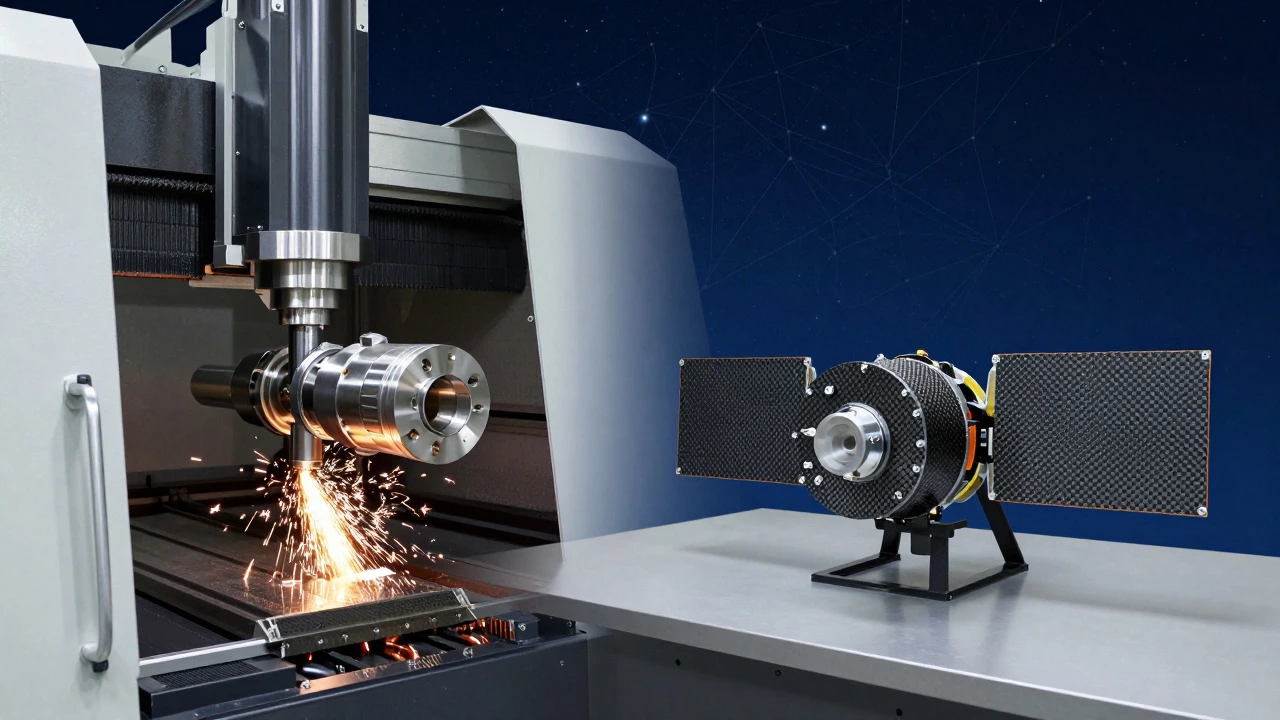
Aerospace manufacturing is another sector that combines high ticket sizes with long-term contracts. With geopolitical tensions rising globally, defense spending remains a priority for the US government. Companies that supply parts for aircraft, satellites, or defense systems benefit from multi-year contracts that provide predictable revenue streams.
This industry relies heavily on precision machining and composite materials. If you own a machine shop capable of producing titanium or carbon fiber parts to tight tolerances, you are in a strong position. The barrier to entry is high due to quality certification requirements (like AS9100), but once you are in, customer churn is very low.
Profitability here comes from volume and efficiency. A single jet engine contains thousands of parts. Supplying even a small fraction of those parts across hundreds of engines generates significant revenue. Operating margins for established aerospace suppliers typically range from 10% to 15%.
Niche Opportunities: Plastics and Food Processing
Not every profitable manufacturing business needs to be high-tech. Traditional sectors like plastics and food processing still offer solid returns, especially when focused on sustainability and local supply chains.
Plastic Manufacturing is the creation of plastic products through molding, extrusion, or 3D printing processes. It includes both commodity plastics and specialized engineering resins.
The push for sustainable packaging has created a boom in recycled plastic manufacturing. Companies that collect post-consumer waste and turn it into new packaging materials are finding eager buyers among major retailers trying to meet ESG goals. Margins can be healthy if you control the feedstock source.
Similarly, food processing is evolving. Consumers want fresh, locally sourced, and minimally processed foods. Small-scale manufacturers who focus on specialty items-like organic sauces, plant-based proteins, or artisanal snacks-can achieve higher margins than mass producers. The key is direct-to-consumer sales or partnerships with local grocery chains that pay a premium for unique products.
Comparing Profitability Across Sectors
To help you visualize where the best opportunities lie, let’s look at a comparison of average operating margins and growth potential across different manufacturing sectors in the US as of 2026.
| Industry Sector | Avg. Operating Margin | Growth Potential | Barrier to Entry |
|---|---|---|---|
| Pharmaceuticals | 20-30% | High | Very High |
| Semiconductors | 15-25% | Very High | High |
| Aerospace & Defense | 10-15% | Moderate | High |
| Specialty Chemicals | 12-18% | Moderate | Moderate |
| Food Processing | 5-10% | Stable | Low-Moderate |
| General Machinery | 8-12% | Moderate | Moderate |
As you can see, the highest margins belong to knowledge-intensive industries. But notice that "barrier to entry" correlates with margin. If you don’t have millions for R&D or complex certifications, you need to find a niche where you can outperform larger competitors through agility and customization.
Key Factors Driving Profitability
What makes these businesses so profitable? It usually comes down to three factors:
- Intellectual Property: Patents and proprietary formulas prevent competition, allowing you to set higher prices.
- Regulatory Moats: Industries with strict regulations (like pharma and aerospace) have fewer competitors because many businesses can’t afford the compliance costs.
- Supply Chain Control: Companies that own their raw material sources or have exclusive supplier agreements protect their margins from market volatility.
Automation is also playing a bigger role. Labor costs in the US are high, so businesses that invest in robotics and AI-driven quality control can reduce waste and improve throughput. This operational efficiency directly boosts net income.
Challenges to Consider
It’s not all smooth sailing. Starting a manufacturing business involves risks. Supply chain disruptions, fluctuating raw material prices, and skilled labor shortages are common issues. In 2026, finding qualified technicians and engineers remains a challenge for many firms. You may need to invest in training programs or partner with technical colleges to build your workforce.
Additionally, environmental regulations are tightening. Whether you’re making chemicals or plastics, you’ll need to plan for waste management and emissions control. Ignoring sustainability can lead to fines and reputational damage, while embracing it can open doors to new markets.
How to Choose Your Path
If you’re deciding which manufacturing business to start, ask yourself these questions:
- Do I have access to specialized technology or expertise?
- Can I secure long-term contracts or recurring customers?
- Am I prepared to navigate complex regulatory environments?
- Is my target market growing or shrinking?
For most entrepreneurs, starting in a niche segment of a broader industry is the smartest move. Instead of trying to become the next Ford, consider becoming the go-to supplier for custom interior components for luxury EV startups. Smaller, focused businesses often achieve better profitability than large, generalized ones.
What is the most profitable manufacturing business to start in 2026?
The most profitable options are typically in pharmaceuticals, semiconductors, and aerospace due to high margins and strong demand. However, for smaller startups, niche areas like sustainable packaging or specialty food processing offer accessible entry points with good profit potential.
How much capital do I need to start a manufacturing business?
Capital requirements vary widely. High-tech sectors like semiconductors require millions or billions. Small-scale operations like custom plastics or food processing can start with $50,000 to $500,000 depending on equipment and facility size.
Are there government grants for manufacturing startups?
Yes, especially in strategic sectors like semiconductors, clean energy, and advanced materials. The CHIPS Act and various DOE programs offer funding opportunities. Check federal and state economic development websites for current grants.
Which manufacturing sector has the lowest barrier to entry?
Food processing and simple assembly operations generally have the lowest barriers. They require less specialized equipment and fewer regulatory hurdles compared to pharmaceuticals or aerospace.
How does automation affect manufacturing profitability?
Automation reduces labor costs and improves consistency, leading to higher margins over time. While initial investment is high, the return on investment comes from increased throughput and reduced waste.