
Food Business Profitability Calculator
Business Parameters
Ready to Analyze
Enter your product details to estimate profitability and risk factors.
Forget the romanticized image of the artisanal bakery. While charming, those businesses often bleed cash on rent and labor. If you are looking at food processing units to start a business in 2026, you need to look where the margins hide. The most profitable food businesses aren't always the ones selling the highest volume; they are the ones with the lowest waste, the longest shelf life, and the strongest brand loyalty.
The global food landscape has shifted dramatically. Consumers are demanding transparency, sustainability, and convenience, but they are also price-sensitive due to inflationary pressures. This creates a unique window for entrepreneurs who can balance cost-efficiency with perceived value. Whether you are starting from a garage or leasing a commercial kitchen, understanding the unit economics is non-negotiable.
The High-Margin Powerhouses: Spices, Sauces, and Condiments
If you want pure profit percentage, look no further than spices, sauces, and condiments. These products have incredibly low raw material costs relative to their final sale price. A jar of hot sauce might cost $0.40 to produce in ingredients and packaging, yet it sells for $8.00 to $12.00 on retail shelves. That is a markup that few other industries can match.
| Product Category | Avg. Gross Margin | Shelf Life | Barrier to Entry |
|---|---|---|---|
| Spices & Blends | 70-85% | 2-3 Years | Low |
| Sauces & Condiments | 60-75% | 1-2 Years | Medium |
| Dried Snacks (Chips/Nuts) | 40-55% | 6-12 Months | Medium |
| Frozen Meals | 30-45% | 6-12 Months | High |
| Fresh Produce/Bakery | 20-35% | Days/Weeks | High (Labor/Rent) |
Why do these categories win? First, weight matters. Shipping heavy water-based products like soups or fresh juices eats into your bottom line through logistics. Spices and concentrated pastes are lightweight and dense, meaning you sell more units per square foot of warehouse space. Second, flavor is subjective. You can charge a premium for "small-batch" or "hand-crafted" spice blends because the consumer perceives uniqueness. Third, the shelf life is massive. Inventory risk is nearly zero if you manage production well.
To succeed here, focus on niche flavors. Don't just make generic chili powder. Create a specific blend for Korean BBQ or a smoky paprika for vegan tacos. The differentiation allows you to escape the race-to-the-bottom pricing of commodity goods.
The Convenience Goldmine: Ready-to-Eat (RTE) and Meal Kits
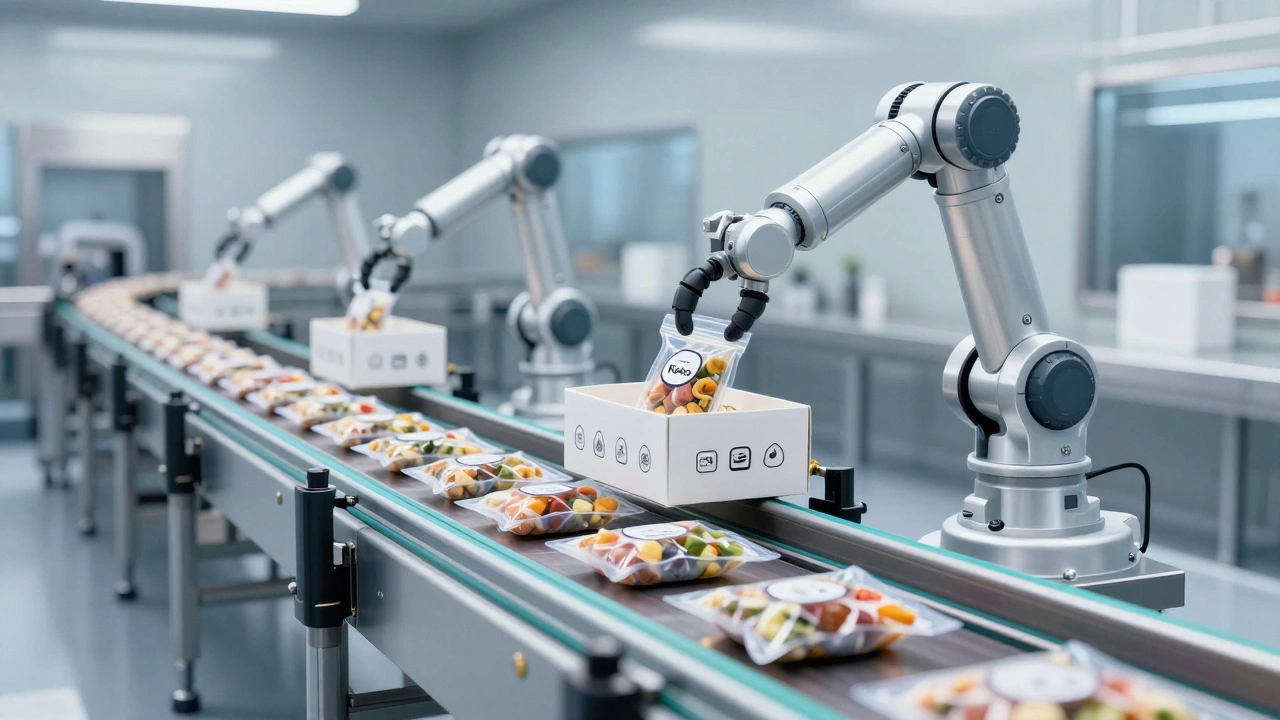
Time is the new currency. In 2026, the dual-income household is the norm, and cooking from scratch is a luxury many cannot afford daily. This drives the explosive growth of Ready-to-Eat (RTE) meals and simplified meal kits. While the gross margins are lower than spices-typically hovering around 30% to 45%-the volume potential is significantly higher.
The key to profitability in this sector is not just the food, but the supply chain efficiency. You must minimize labor costs during assembly. Automation helps, but even manual processes need to be streamlined. Think about pre-portioned ingredients that require only heating or mixing. The less the customer has to do, the more they will pay.
Consider the "heat-and-eat" model using retort pouches or vacuum-sealed containers. This technology extends shelf life without refrigeration until opened, reducing spoilage losses which are the silent killer of food businesses. By targeting specific dietary needs-such as keto, gluten-free, or high-protein for athletes-you create a captive audience willing to pay a premium for convenience and compliance.
Plant-Based Alternatives: Beyond Just Meat
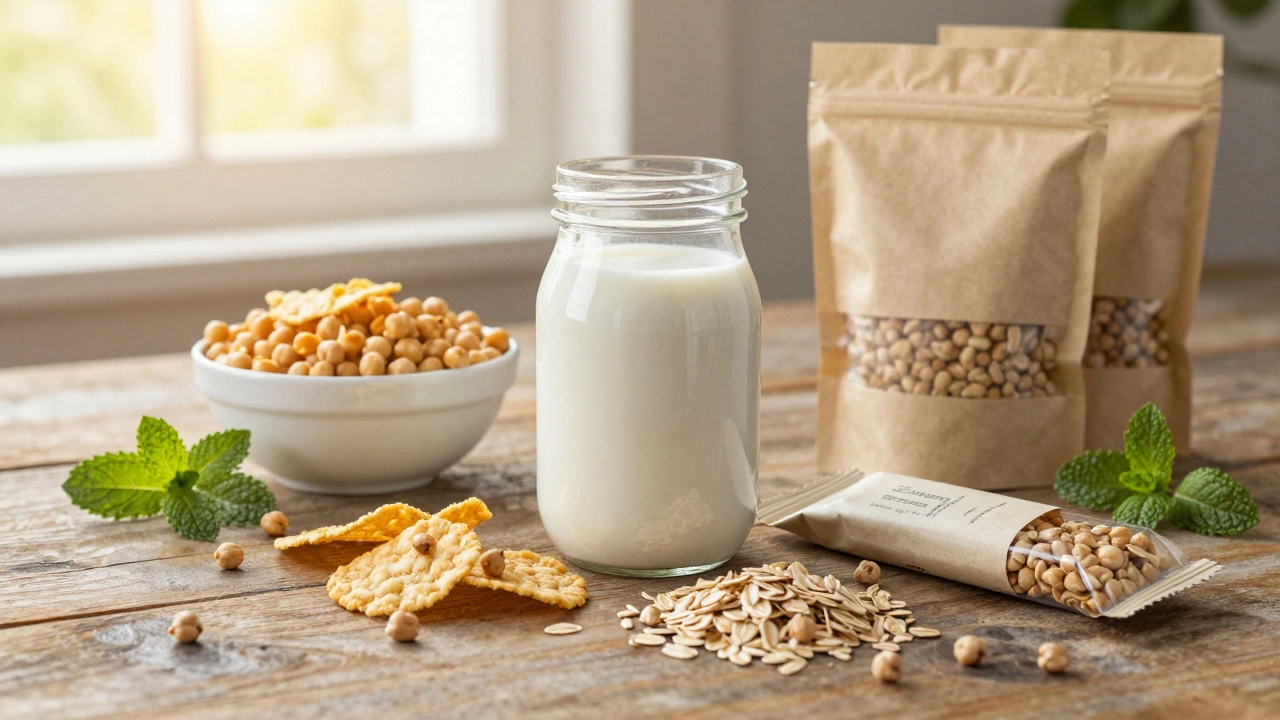
The plant-based wave hasn't stopped; it has matured. Early adopters bought into the novelty; today's buyers buy into health and sustainability. However, the market for fake burgers is saturated. The real opportunity lies in whole-food plant-based snacks and dairy alternatives that don't rely on expensive extrusion technology.
Think oat milk, almond butter, or chickpea-based crisps. These products use simple ingredients that consumers trust. The profit margin sits in the branding and the distribution channel. Direct-to-consumer (DTC) subscriptions for snack boxes can yield recurring revenue, smoothing out the volatility of wholesale orders.
Critical to this model is sourcing. Plant-based proteins like pea protein or lentils fluctuate in price based on crop yields. Locking in long-term contracts with suppliers or investing in vertical integration (growing your own crops if scale permits) protects your margins. Also, remember that "clean label" is a major selling point. Avoiding preservatives and artificial colors increases perceived value, allowing for higher price points.
Functional Foods: Health as an Ingredient
We are moving past basic nutrition into functional nutrition. Consumers want foods that do something for them: improve gut health, boost immunity, enhance focus, or aid sleep. This is where Functional Foods are products that provide health benefits beyond basic nutrition, such as probiotics, adaptogens, or nootropics.
Examples include kombucha with added electrolytes, chocolates infused with magnesium for relaxation, or bars containing ashwagandha for stress relief. The R&D cost is slightly higher, but the customer acquisition cost is often lower because these products solve specific pain points. People don't just buy a bar; they buy better sleep or reduced anxiety.
Regulatory compliance is crucial here. You cannot make medical claims. Instead, focus on structure/function claims supported by science. Partnering with dietitians or nutritionists to validate your formulations builds trust. This category thrives on education content-blog posts, social media videos explaining the benefits of each ingredient-which drives organic traffic and reduces reliance on paid ads.
Small-Scale Manufacturing: Low CapEx, High Agility
You do not need a factory the size of a football field to start. Small-scale manufacturing units offer agility. You can test products, iterate based on feedback, and pivot quickly. This is particularly effective for local markets where freshness and community connection matter.
Start with a "ghost kitchen" model or rent time in a shared commercial kitchen. This keeps overhead minimal. Focus on one hero product. Master its recipe, packaging, and distribution before expanding. For instance, start with a single signature hot sauce. Once you have consistent sales, introduce a second flavor or a complementary product like jerk seasoning.
Local partnerships are your best friend. Supply farmers' markets, boutique grocery stores, and local restaurants. These channels have lower entry barriers than national supermarkets. They also provide immediate feedback. If a local chef loves your product, their endorsement carries weight within the community.
Key Metrics for Success
To determine if your food business idea is truly profitable, track these metrics religiously:
- Cost of Goods Sold (COGS): Includes ingredients, packaging, and direct labor. Aim for COGS below 30% of the retail price for high-margin items.
- Customer Acquisition Cost (CAC): How much do you spend on marketing to get one new customer? If CAC exceeds the lifetime value of the customer, you will fail.
- Inventory Turnover: How fast does your stock sell? High turnover means cash flow is healthy. Slow turnover ties up capital and risks spoilage.
- Return Rate: For DTC models, returns kill profits. Ensure your packaging is robust and your product description sets accurate expectations.
Pitfalls to Avoid
Many food startups fail not because of bad products, but poor operational planning. Here are common traps:
- Underestimating Packaging Costs: Sustainable packaging is expensive. Factor this into your pricing early. Cheap plastic may hurt your brand image in 2026.
- Ignoring Regulatory Hurdles: Food safety regulations vary by region. Get certified early. FDA compliance in the US or FSSAI in India is mandatory. Non-compliance leads to shutdowns.
- Scaling Too Fast: Do not take large wholesale orders until your production process is bulletproof. Running out of stock damages relationships with retailers.
- Complex Recipes: Simpler recipes are cheaper to produce and easier to scale. If a dish requires five rare ingredients, it’s a liability, not an asset.
Final Thoughts on Choosing Your Path
The most profitable food business for you depends on your resources, skills, and risk tolerance. If you have limited capital, start with spices or sauces. If you have access to distribution networks, consider RTE meals. If you are tech-savvy, leverage DTC models for functional foods. Remember, profitability comes from solving a real problem efficiently. Whether that problem is hunger, lack of time, or a desire for better health, align your product with the solution.
What is the easiest food business to start with low investment?
The easiest food business to start with low investment is typically spice blending or small-batch sauce production. These require minimal equipment (blenders, jars), low-cost ingredients, and have long shelf lives, reducing waste risk. You can start in a home kitchen (where legal) or rent shared kitchen space hourly.
How much money can you make from a food processing unit?
Earnings vary widely based on scale and product type. A small-scale spice business might net $50,000-$100,000 annually after expenses. Larger operations producing RTE meals or packaged snacks can generate hundreds of thousands to millions in revenue, with net profit margins typically ranging from 10% to 20% after all operational costs.
Is the food industry still profitable in 2026?
Yes, the food industry remains highly profitable, especially for businesses focusing on niche markets, convenience, and health-conscious consumers. Inflation has increased prices, but brands with strong loyalty can pass costs to consumers. Key is maintaining efficient supply chains and minimizing waste.
What are the biggest challenges in starting a food business?
Major challenges include regulatory compliance (food safety licenses), high competition, managing inventory spoilage, and securing retail distribution. Additionally, rising costs of sustainable packaging and raw materials can squeeze margins if not carefully managed.
Do I need a commercial kitchen to start a food business?
In most jurisdictions, yes. Home kitchens are rarely permitted for commercial food production due to safety regulations. However, you can use "cottage food laws" for certain low-risk items like jams or baked goods in some areas. Otherwise, renting shared commercial kitchen space is a cost-effective alternative to building your own facility.