Strategic Manufacturing Investment Calculator
Why use this tool? High-difficulty manufacturing sectors like semiconductors and aerospace require massive upfront capital. This calculator helps visualize how government schemes bridge the gap between project viability and private funding limits.
Funding Breakdown
Gov't Support
Private Liability
Viability Assessment
Calculate to see insights.
When you ask which manufacturing process is the hardest, there isn't a single answer. It depends entirely on what kind of difficulty you are measuring. Are we talking about the physical precision required, the financial risk involved, or the regulatory hurdles you have to clear? For many experts in the industry today, the battle for atomic-level precision takes the lead.
We often overlook just how much technology goes into everyday items. You might think a smartphone is a consumer good, but creating the silicon inside it requires a level of control that defies human intuition. Similarly, building a jet engine isn't just about welding metal; it's about managing heat that would melt most known materials instantly. These aren't assembly lines you can set up in a garage. They require billions in infrastructure, years of training, and frequent backing from national governments who understand these sectors are strategic assets.
The Physics of Hardness: Defining Manufacturing Difficulty
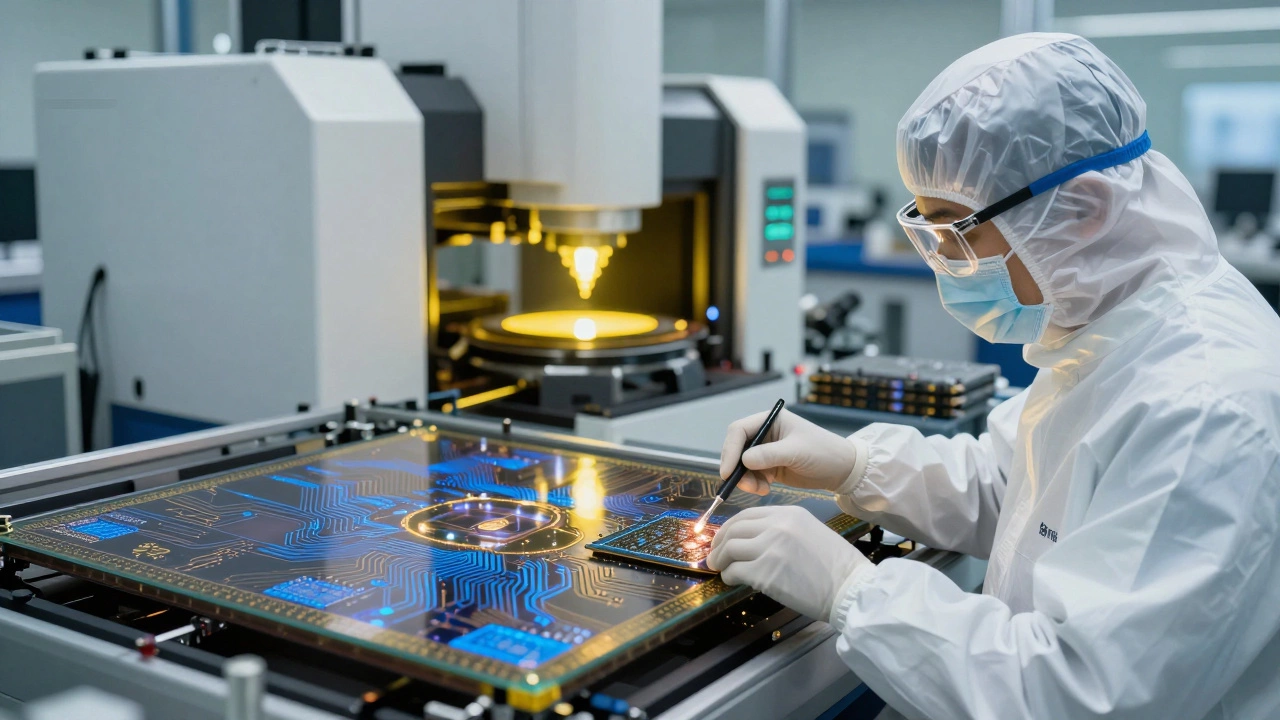
To understand the competition for the toughest process, we have to look at specific constraints. In Semiconductor Fabrication is a technique used to manufacture integrated circuits and other electronic components with extreme precision. Typically operating at scales measured in nanometers, meaning smaller than the wavelength of visible light.
This process relies on photolithography. Imagine trying to paint a picture of a city onto a surface the size of a grain of sand, using light beams instead of brushes. One dust particle entering the clean room ruins the entire batch. The yield rates-the percentage of chips that actually work-can fluctuate wildly. A factory might invest $15 billion into building a facility, and a single contamination event could wipe out months of production.
However, physics isn't the only barrier. You have to consider supply chain fragility. Many critical inputs, like high-purity chemicals or specialized gases, come from only a few suppliers globally. If geopolitics shift, production stops. This volatility is why nations are increasingly treating these processes as national security issues rather than commercial activities.
Aerospace Engineering: Pushing Material Limits
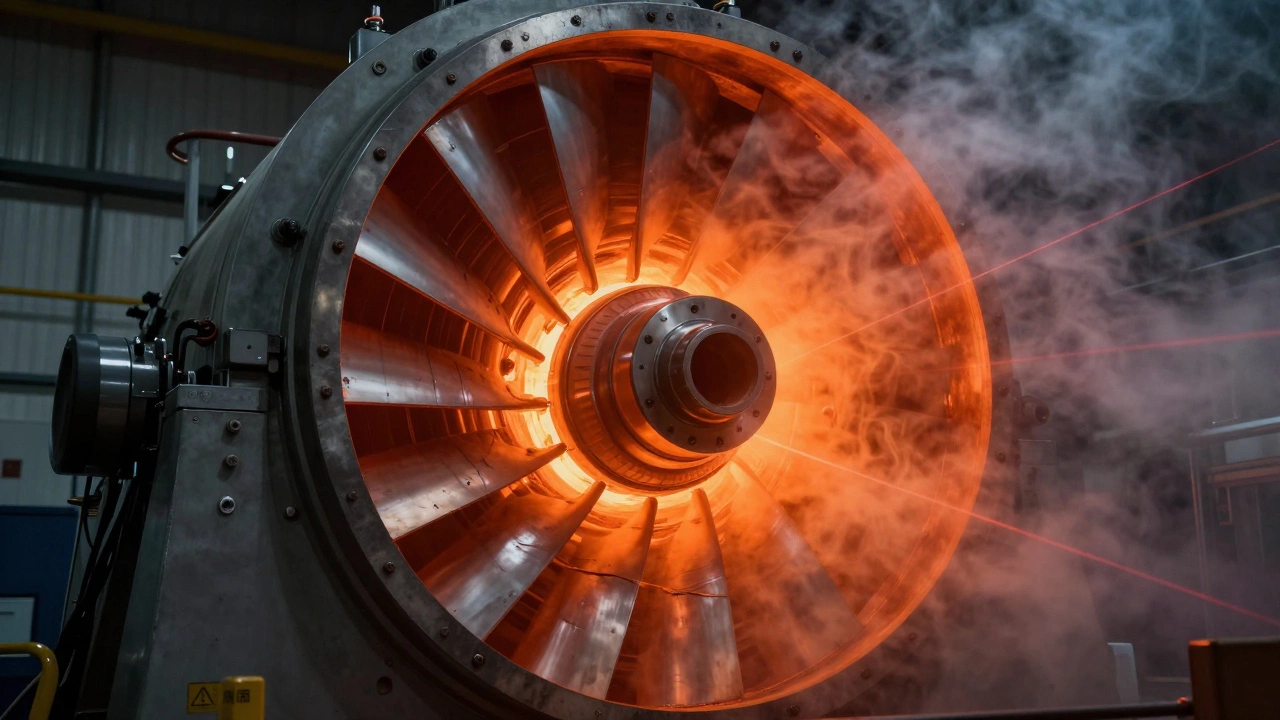
If semiconductors are about smallness, aerospace engineering is about surviving extremes. Manufacturing a modern turbine blade involves dealing with temperatures higher than the melting point of steel. Engineers use single-crystal casting to create blades that don't have weak points like grain boundaries.
Aerospace Component Machining is a specialized field involving the production of aircraft parts under strict tolerances and weight limits. Also known as Aero-Machining, it is essential for flight safety.You aren't just cutting metal here; you are fighting fatigue and thermal stress. A flaw invisible to the naked eye can cause catastrophic failure mid-flight. This means every component undergoes rigorous non-destructive testing. X-ray inspection, ultrasonic testing, and dye penetrant checks are standard. The margin for error is zero.
In 2026, additive manufacturing (3D printing) is changing this slightly, allowing for complex internal cooling channels that traditional casting couldn't achieve. Yet, certification remains a nightmare. Even if you 3D print a part perfectly, proving it meets airworthiness standards to agencies like the EASA or FAA can take years. This regulatory hurdle adds a layer of 'difficulty' that pure engineering doesn't capture.
Pharmaceutical Sterilization: The Biological Barrier
We cannot ignore biological manufacturing when discussing difficulty. Making a vaccine or a monoclonal antibody isn't like assembling an iPhone. It involves living systems. Biologic Drug Formulation is a process that creates therapeutic drugs from living cells. Unlike synthetic chemistry, biologics are sensitive to temperature, pH, and mechanical shear forces.
If the environment shifts by even a degree during fermentation, the protein structures can misfold. Misfolded proteins are useless or dangerous. Then comes the fill-and-finish stage. Filling vials while maintaining sterility requires isolators and Class 100 cleanrooms. One virus contaminating a batch means the whole lot is destroyed.
The difficulty lies in consistency. Chemistry produces consistent molecules. Biology produces variable outcomes. Regulators like the FDA and TGA require extensive stability data. A manufacturer must prove their drug won't degrade over two years on a shelf. This long lead time, combined with the impossibility of reprocessing failed batches, makes capital allocation extremely risky.
Why Government Schemes Intervene
You might wonder why private companies don't just handle this themselves. The answer is usually 'too expensive.' The ROI period for a semiconductor fab can exceed ten years. Few investors have that patience. This is where industrial policy steps in.
Government Manufacturing Schemes are public sector initiatives designed to subsidize or incentivize strategic industrial sectors. Examples include tax credits, direct grants, or research and development offsets.
In regions like North America, Europe, and Australia, governments recognize that holding the ability to produce chips or advanced medical supplies is vital. You see policies like the CHIPS and Science Act or various R&D super deductions. These programs lower the risk profile for companies attempting these high-difficulty processes.
From a practical standpoint, these schemes often cover the initial CAPEX (capital expenditure). If you are building a new facility, government grants can cover 20-30% of the construction cost. This makes projects viable that would otherwise remain theoretical. Without this support, the 'most difficult' processes often stay in developed nations with deep pockets, widening the global wealth gap.
Skills Gap and Workforce Training
Even with money and machines, you need people. One of the biggest hidden difficulties is the talent shortage. Operating an electron beam lithography machine isn't something you learn from a trade school certificate anymore. It requires knowledge spanning quantum physics, optics, and materials science.
Companies are investing heavily in upskilling. We are seeing more partnerships between universities and manufacturers. However, turnover remains high. The pay is good, but the intellectual workload is immense. In Australia alone, the focus on sovereign capabilities has driven increased funding for vocational training in microelectronics.
The reality is that automation is replacing some manual tasks, but it hasn't replaced the need for diagnostic expertise. When a machine fails, a human still needs to figure out why. Until AI solves real-time anomaly detection in hardware manufacturing completely, human oversight remains a bottleneck.
| Process Type | Key Difficulty | Typical Capital Cost | Regulatory Body |
|---|---|---|---|
| Semiconductor Fab | Nanometer precision, contamination control | $15 Billion+ | Cleanroom Standards |
| Aerospace | Mechanical stress, material fatigue | $2-$5 Billion | FAA / EASA / CASA |
| Biologics | Biological variability, sterility | $1-$3 Billion | FDA / TGA |
The Path Forward for Manufacturers
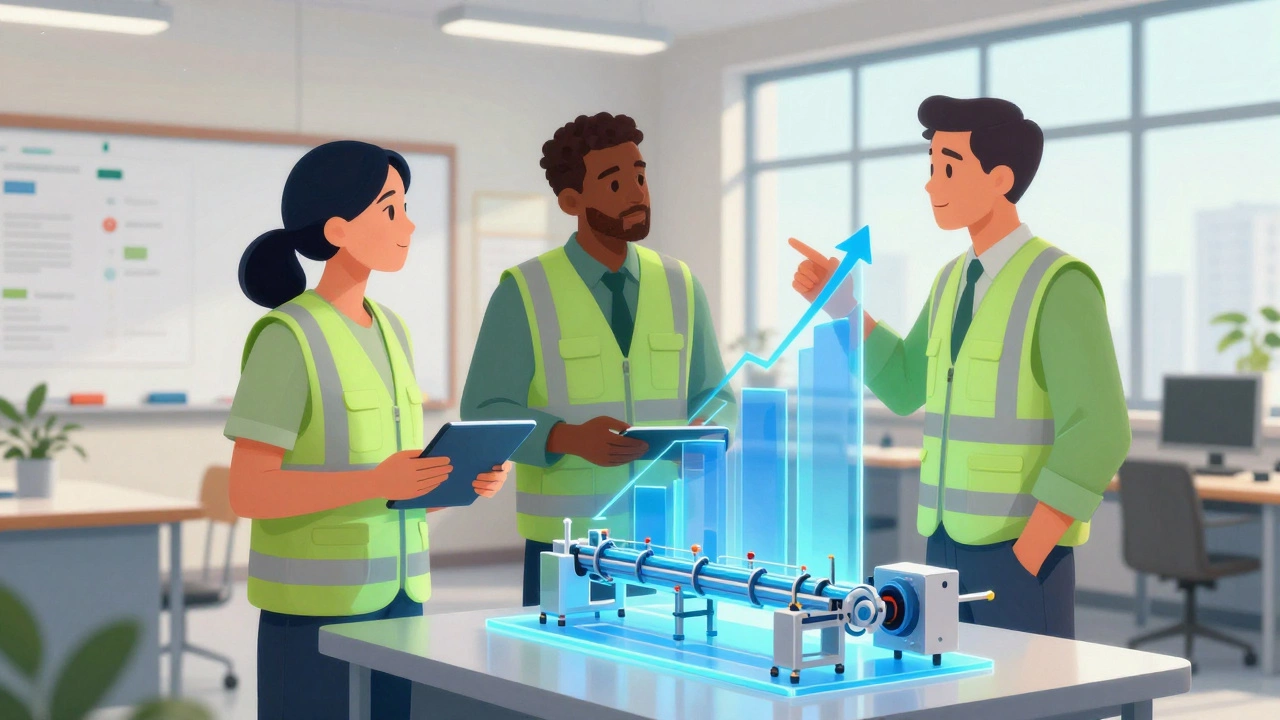
If you are looking to enter these spaces, the path is narrow. First, assess your capital reserves. You cannot bootstrap these industries. Second, align with government priorities. If the state is pushing for green hydrogen or domestic chip manufacturing, align your roadmap there to access funds.
Third, invest in quality assurance early. Don't wait for customer complaints to build your testing labs. Finally, partner with educational institutions. Secure a pipeline of graduates before you finish building your first line.
The most difficult manufacturing processes define the technological ceiling of our civilization. They push physics to its limit. They test our economic resolve. And they dictate how nations compete in the 21st century. Understanding this difficulty is the first step to solving it.
Frequently Asked Questions
Is semiconductor fabrication really the hardest?
It is widely considered the most technically demanding due to the nanometer scale and cleanliness requirements. However, cost-wise, aerospace is comparable due to testing regulations.
Do government schemes cover equipment costs?
Yes, many industrial grants cover a portion of capital expenditure (CAPEX), particularly for machinery that boosts productivity or national capability.
How does difficulty affect product prices?
High difficulty leads to low yield rates, which increases the per-unit cost. This is why advanced chips or medical treatments are priced significantly higher.
Can 3D printing replace traditional manufacturing?
Additive manufacturing helps with prototyping and complex geometries, but mass production still relies on traditional molding and casting for speed and cost efficiency.
Where can I find manufacturing grants in Australia?
Check resources like the Department of Industry, Science and Resources. Programs vary by year and specific technology focus, such as future industries.